

Lyon Specialty Care in Rock Rapids, IA

Save

Lyon Specialty Care in Rock Rapids, IA

1010 South Union, Rock Rapids, IA 51246

For more information about senior living options: (844) 490-3973

5 from 3 reviews
5 stars
3
4 stars
0
3 stars
0
2 stars
0
1 stars
0

Overall Review of Lyon Specialty Care

Pros

  • pro The team is great and makes a difference.
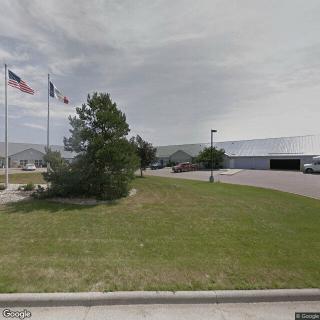
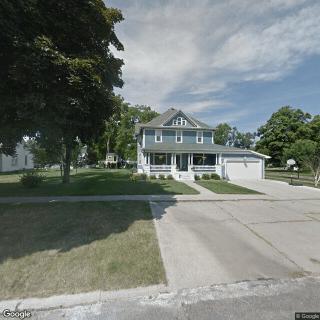
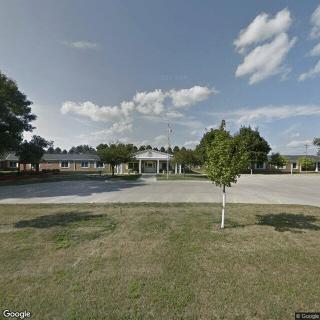
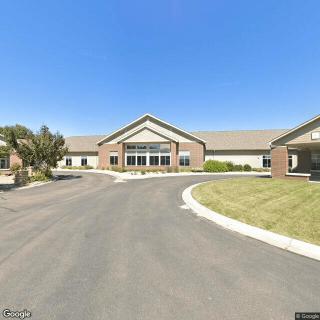
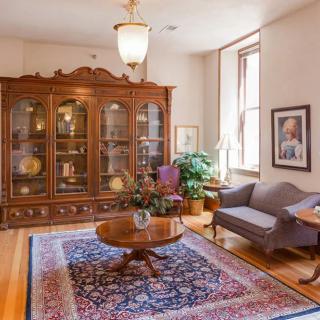
  • pro The facility is beautiful, the staff are very kind, and everyone pitches in to ensure each resident is happy and well cared for.

Review

Lyon Specialty Care in Rock Rapids, IA is best suited for families seeking a warm, neighborly atmosphere where a cohesive, hands-on caregiving culture shows up in every interaction. The community appeals to seniors who value daily warmth, reliability, and a sense of belonging over large-campus amenities. A well-maintained, attractive setting reinforces a feeling of safety and dignity, and the staff’s willingness to pitch in and coordinate care creates an impression of seamless, attentive service. For residents who prioritize steady, personable care delivered by a committed team, Lyon stands out as a well-rounded, practical option in a small-town context.

Those weighing Lyon should consider alternatives if a resident requires a deeper clinical continuum or specialized programming that goes beyond the facility’s core strengths. For seniors with high-acuity medical needs, complex wound care, or memory-care requirements that call for dedicated, highly specialized staff and environment, larger communities with robust medical facilities may be a better fit. Families seeking a broad slate of social and cultural activities, diverse therapy options, or convenient access to urban specialists may also find that bigger campuses offer more variety. In short, Lyon serves well for reliable daily care; alternatives may be preferable when the priority shifts to advanced clinical services or expansive programming.

The strongest, most actionable positives here are a truly effective team and the beauty of the facility itself. The staff’s kindness and the sense that everyone pitches in to ensure residents are happy and well cared for create daily momentum toward consistent quality of life. When care partners operate with shared purpose and visible teamwork, small issues are addressed quickly, routines stay smooth, and families gain confidence in the continuity of care. The aesthetic and clean, well-kept environment further support a dignified living experience, reducing stress for residents and easing transitions for families during move-in, daily life, and care planning.

That same team-driven approach is what helps Lyon offset some potential drawbacks inherent to smaller operations. A tight-knit staff can maintain high engagement with residents, keep communication clear, and adapt to changing needs with speed that larger bureaucratic settings sometimes struggle to match. The implications are practical: more predictable daily rhythms, better observation of subtle changes in health or mood, and a care culture that emphasizes personal attention. Residents who flourish on routine, consistent care are especially likely to benefit. However, the limited public information about the breadth of medical services, activity programming, and respite or memory-care options means families should verify specific capabilities during tours and admissions.

Despite the strong positives, one should acknowledge the absence of explicit detail about medical specialization, memory-care design, and the diversity of therapeutic offerings. The small size and rural setting can mean fewer on-site specialists or rapid access to certain services compared with larger communities. Availability of varying levels of care within the same campus may be limited, and cost structures or admission criteria require careful verification. The upside remains: a supportive, opinionated caregiving culture, paired with a serene environment, tends to translate into steady satisfaction for residents who fit Lyon’s profile. The risk is that expectations for advanced clinical needs or wide-ranging activities may not be fully met without moving to a larger, more resource-rich setting.

When evaluating Lyon Specialty Care, the practical path is to schedule a firsthand assessment focused on daily routines, staffing patterns, and the specific care needs of the person in question. Ask about nurse availability on shifts, the ratio of certified nursing assistants to residents, how care plans are updated, and how quickly changes in condition are escalated. Inquire about memory-care capabilities, if relevant, and the availability of therapy services, social programming, enriching outings, and meal variety. If a broader continuum of care or more expansive programming is essential, consider options in nearby communities that offer larger campuses or dedicated memory-care units. For families prioritizing a compassionate team, a beautiful living space, and dependable daily care, Lyon Specialty Care delivers a compelling, practical choice, clear, proven strengths that make it worth serious consideration, with a plan to confirm any gaps before moving in.

Features

Housing

  • 49 resident community capacity 49 resident community capacity

Types of Care

  • Skilled Nursing Facility Skilled Nursing FacilitySkilled Nursing Facilities are crucial for seniors as they provide round-the-clock medical care, rehabilitation services, and assistance with daily activities. These facilities ensure that seniors receive the specialized care they need to maintain their health and well-being as they age.

Amenities

  • Beauty salon Beauty salonBeauty salons are important for seniors because they provide a space for them to feel pampered, socialize, and maintain their personal grooming and hygiene. Regular visits to a beauty salon can help boost seniors' self-esteem and overall well-being.
  • Cable or satellite TV Cable or satellite TVCable or satellite TV is important for seniors because it provides entertainment, news, and companionship, helping to combat loneliness and boredom. It also offers a wide range of programming options tailored to different interests and preferences.
  • Dining room Dining roomDining rooms are important for seniors as they provide a space for socialization, connection, and nutritious meals. They offer opportunities for residents to bond over shared meals, foster a sense of community, and promote healthy eating habits. Dining rooms also ensure that seniors have access to well-balanced meals tailored to their dietary needs and preferences.
  • Fully furnished Fully furnishedFully furnished senior living communities are important for seniors because they provide convenience, comfort, and a hassle-free moving experience. Seniors can easily settle into their new living space without the stress of having to buy and move furniture. This allows them to focus on enjoying their new home and community.
  • Garden GardenGardens are important for seniors as they provide a peaceful and therapeutic environment for relaxation, physical activity, and socialization. Being in nature has been shown to reduce stress, improve mood, and promote overall well-being. Gardens also offer opportunities for seniors to engage in gardening activities, which can improve mobility, flexibility, and cognitive function. Additionally, gardens create a sense of community and connection with others who share a passion for plants and outdoor spaces.
  • Housekeeping services Housekeeping servicesHousekeeping services are important for seniors because they help maintain a clean and safe living environment, promote independence, and reduce the risk of accidents or illnesses. Additionally, having assistance with household chores can alleviate physical strain and allow seniors to focus on other aspects of their well-being.
  • Kitchenette KitchenetteKitchenettes are important for seniors living in senior living communities because they provide the convenience and independence of being able to prepare simple meals and snacks in the comfort of their own living space. This can help promote a sense of autonomy and well-being for seniors, allowing them to maintain some level of control over their dietary choices and daily routines.
  • Move-in coordination Move-in coordinationMove-in coordination is important for seniors because it helps ease the transition into their new living environment. It ensures that all logistics, such as packing, organizing movers, and setting up utilities are taken care of, allowing seniors to focus on settling in and adjusting to their new home. Having a smooth move-in process can alleviate stress and anxiety, making the transition smoother and more enjoyable for seniors.
  • Outdoor space Outdoor spaceOutdoor spaces are important for seniors as they provide opportunities for physical activity, social interaction, exposure to natural light and fresh air, and a sense of connection to nature. Having access to outdoor spaces can improve overall well-being and quality of life for older adults living in senior communities.
  • Restaurant-style dining Restaurant-style diningRestaurant-style dining is important for seniors because it allows them to enjoy delicious, nutritious meals in a social and upscale setting. This enhances their dining experience, promotes healthy eating habits, and fosters socialization with fellow residents, ultimately contributing to their overall well-being and quality of life.
  • Small library Small librarySmall libraries are important for seniors as they provide access to a variety of reading materials, including books, newspapers, and magazines. This can help stimulate their minds, keep them engaged, and provide a sense of community through book clubs and other social activities. Additionally, reading has been shown to improve cognitive function and overall mental well-being in older adults.
  • Telephone TelephoneTelephones are important for seniors as they provide a lifeline for communication with loved ones, emergency services, and healthcare providers. They offer a sense of security and independence, enabling seniors to stay connected and access assistance when needed.
  • Wi-Fi/high-speed internet available Wi-Fi/high-speed internet availableWi-Fi/high-speed internet is important for seniors to stay connected with loved ones, access online resources, and participate in virtual activities to combat feelings of loneliness and isolation. It also allows them to easily manage healthcare needs, access entertainment, and engage in lifelong learning opportunities.

Care Services

  • 24-hour call system 24-hour call system24-hour call systems are important for seniors because they provide peace of mind and immediate assistance in case of emergencies. This technology ensures that help is always available, promoting safety and security for elderly individuals living alone or in assisted living facilities.
  • 24-hour supervision 24-hour supervision24-hour supervision is important for seniors to ensure their safety, well-being, and access to immediate assistance in case of emergencies or health issues. This constant support provides peace of mind for both seniors and their loved ones, allowing them to age in place with dignity and security.
  • Activities of daily living assistance Activities of daily living assistanceActivities of daily living assistance are important for seniors because they provide essential support with tasks such as eating, bathing, dressing, and mobility. This assistance helps seniors maintain their independence, dignity, and overall quality of life as they age.
  • Assistance with bathing Assistance with bathingAssistance with bathing is crucial for seniors as it helps maintain personal hygiene, prevents infections, and ensures their overall well-being and comfort. It also provides a sense of dignity and independence for seniors who may struggle with this task on their own.
  • Assistance with dressing Assistance with dressingAssistance with dressing is important for seniors because it helps maintain their independence, promotes personal hygiene, prevents accidents and injuries, and improves overall quality of life. This service ensures that seniors can continue to dress comfortably and confidently, despite any physical limitations they may have.
  • Assistance with transfers Assistance with transfersAssistance with transfers is crucial for seniors as it helps prevent falls and injuries, maintains their independence, and ensures they can safely navigate their living environment. It also provides peace of mind for both seniors and their loved ones.
  • Diabetes diet Diabetes dietA diabetes diet is crucial for seniors as it helps manage blood sugar levels, reduce risks of complications, and improve overall health and well-being. By following a balanced and nutritious diet tailored to their specific needs, seniors can better control their diabetes and enhance their quality of life.
  • Meal preparation and service Meal preparation and serviceMeal preparation and service are crucial for seniors as they may have limited mobility or energy to cook nutritious meals. Having access to healthy and convenient food options can ensure they are getting the proper nutrition needed to maintain their overall health and well-being.
  • Medication management Medication managementMedication management is crucial for seniors to ensure they are taking the right medications at the correct dosages and times. This helps prevent adverse drug interactions, reduces the risk of medication errors, and promotes overall health and well-being. Proactive management also allows for adjustments as needed based on changing health conditions or new prescriptions.
  • Mental wellness program Mental wellness programMental wellness programs are essential for seniors as they promote cognitive stimulation, emotional support, and social engagement. These programs help prevent isolation, depression, and cognitive decline, ultimately enhancing the overall quality of life for older adults.
  • Special dietary restrictions Special dietary restrictionsSpecial dietary restrictions are important for seniors because age-related changes in metabolism and health conditions can make it difficult for their bodies to process certain foods. By following a diet tailored to their specific needs, seniors can maintain their overall health and well-being, manage chronic conditions, and reduce the risk of complications such as malnutrition or food interactions with medications.

Dining

  • Diabetes diet Diabetes dietA diabetes diet is crucial for seniors as it helps manage blood sugar levels, reduce risks of complications, and improve overall health and well-being. By following a balanced and nutritious diet tailored to their specific needs, seniors can better control their diabetes and enhance their quality of life.
  • Special dietary restrictions Special dietary restrictionsSpecial dietary restrictions are important for seniors because age-related changes in metabolism and health conditions can make it difficult for their bodies to process certain foods. By following a diet tailored to their specific needs, seniors can maintain their overall health and well-being, manage chronic conditions, and reduce the risk of complications such as malnutrition or food interactions with medications.

Activities

  • Community-sponsored activities Community-sponsored activitiesCommunity-sponsored activities are important for seniors as they provide opportunities for social interaction, mental stimulation, and physical activity. These activities can help improve overall well-being, combat loneliness and isolation, and promote a sense of belonging and purpose among older adults.
  • Resident-run activities Resident-run activitiesResident-run activities are important for seniors as they encourage social interaction, creativity, and a sense of autonomy. These activities empower seniors to stay engaged and active in their community while fostering meaningful connections with their peers.
  • Scheduled daily activities Scheduled daily activitiesScheduled daily activities are important for seniors because they provide structure, socialization, mental stimulation, and physical activity. Engaging in regular activities can improve overall well-being and quality of life for seniors living in a community setting.

Description

Lyon Specialty Care, located in Rock Rapids, IA, offers a comprehensive range of amenities and care services for individuals seeking assisted living. Residents can enjoy the comfort of fully furnished accommodations with cable or satellite TV and Wi-Fi/high-speed internet access. The community features a dining room where delicious meals are served restaurant-style, and residents have the option to follow special dietary restrictions.

At Lyon Specialty Care, residents receive 24-hour supervision and assistance with activities of daily living such as bathing, dressing, and transfers. The caring staff also provides medication management and ensures that residents adhere to diabetes diets when necessary. Mental wellness programs are available to promote overall emotional well-being.

A variety of activities are offered to keep residents engaged and social. These activities are both resident-run and scheduled daily activities organized by the staff. In addition to indoor amenities such as a small library, residents can enjoy outdoor spaces including a garden.

The community is conveniently located near parks, pharmacies, restaurants, places of worship, and hospitals. Transportation services are available for ease of access to nearby amenities.

Lyon Specialty Care prioritizes the comfort, safety, and well-being of its residents through its range of amenities and care services.

Nearby Places of Interest

Hospitals

  • Lyon Manor Care Center (0 miles)
  • Sanford Hospice (0.3 miles)
  • Hegg Memorial Healthcare Center Heliport (15.9 miles)
  • Hegg Memorial Health Center (16.1 miles)
  • Hegg Medical Clinic (16.1 miles)
  • Ewoldt Chiropractic Clinic (16.1 miles)

Places of Worship

  • Holy Name Catholic Church (0.2 miles)
  • Peace Lutheran Church LCMS (0.2 miles)
  • Doon Protestant Reformed Church (0.5 miles)
  • The Congregational United Church of Christ (0.6 miles)
  • United Methodist Church (0.6 miles)
  • Steen Reformed Church (8 miles)
  • Steen Reformed Parsonage (8 miles)

Restaurants

  • Fiesta Brava (0.8 miles)
  • Union Jacks Grill (0.9 miles)
  • Caboose Grill (8.1 miles)
  • Ellsworth Cafe (10.3 miles)
  • Mickie's Restaurant & Bar (10.4 miles)
  • Hidden Hills Cafe (11.8 miles)
  • Willie's (11.9 miles)

Pharmacies

  • Corner Rexall Drugs (0.8 miles)
  • Lewis Family Drug Rock Rapids (0.9 miles)
  • Shopko Pharmacy (15 miles)
  • Lewis Family Drug Luverne (16.1 miles)
  • Lewis Drug (16.2 miles)
  • Hull Pharmacy (16.2 miles)

Parks

  • Westside Park (0.9 miles)
  • Island Park (1 miles)
  • Splash Park (13.4 miles)
  • Schoeman Park (14.2 miles)
  • Foote Park (15.2 miles)
  • The Lake Luverne (16 miles)
  • Redbird Field (16.1 miles)

Transportation

  • Rock Rapids Airport (2.2 miles)
  • Burlington Northern Santa Fe Railway (8.1 miles)
  • Bakker Taxidermy (10.1 miles)
  • Luverne Municipal Airport (LYV) (14.1 miles)
  • Bakker Taxidermy (16.1 miles)

Physicians

  • Larchwood Emergency Medical (13.2 miles)

Cafes

  • Rooted Plant Shop (16 miles)
  • Stone Soup Cafe (16.1 miles)

Frequently Asked Questions

Where is Lyon Specialty Care?
What photos are available for Lyon Specialty Care in Rock Rapids, Iowa?

Nearby Communities

  • Rock Rapids Health Centre

    Rock Rapids Health Centre

    Rock Rapids, IA

    4 from 5 reviews
     

    pro Fully furnished apartments with restaurant-style dining and 24/7 care.

  • Rock Rapids Health Ctr

    Rock Rapids Health Ctr

    Rock Rapids, IA

    4 from 5 reviews
     

    pro Assisted living with diabetic care and on-site activities; strong nearby amenities (parks, pharmacies, dining, transit, hospital, worship).

  • Rock Rapids Pe,  LLC

    Rock Rapids Pe, LLC

    Rock Rapids, IA

     
    $2,700 to $3,500 / month

    pro Diabetic care with off-site devotional activities and indoor common areas; competitive Lyon County pricing.

  • Rock Rapids Pe

    Rock Rapids Pe

    Rock Rapids, IA


    pro 24-hour supervision with ADL support and restaurant-style dining.

  • Carriage House Retirement Home

    Carriage House Retirement Home

    Rock Rapids, IA

    5 from 1 review
     

    pro Strong social and spiritual programming with convenient access to parks, pharmacies, hospitals, and nearby dining.

  • Good Samaritan Society - George

    Good Samaritan Society - George

    George, IA


    pro Fully furnished living spaces with 24/7 supervision, restaurant-style dining, and housekeeping.

  • Bethany Meadows

    Bethany Meadows

    Brandon, SD

    4 from 14 reviews
    $3,000 / month

    pro Affordable, fully furnished private rooms with extensive on-site amenities and round-the-clock care.

  • Meadows on Sycamore Inc

    Meadows on Sycamore Inc

    Sioux Falls, SD

    3.4 from 16 reviews
    $1,400 to $1,600 / month

    pro Clean, spacious environment with caring staff and active social spaces.

  • Touchmark At All Saints

    Touchmark At All Saints

    Sioux Falls, SD

    4.5 from 39 reviews
     

    pro Vibrant activities and excellent dining in a welcoming, hotel-like setting.

Related Resources

  • adult day careEncouraging Participation in Adult Day Care: A Guide to Supporting a Hesitant Parent

    Adult day care programs offer essential support and activities for older adults, yet many hesitate to participate due to concerns about independence and stigma. To alleviate these apprehensions, families should facilitate open discussions, explore financial resources, suggest trial visits, and collaborate with healthcare providers to highlight the benefits of such services for both the participants and their caregivers.

  • living will definitionComprehensive Exploration of Living Wills and Other Advance Directives

    Living wills and advance directives are crucial legal documents that outline an individual's healthcare preferences when they cannot make decisions themselves, enhancing patient autonomy and alleviating family stress during medical crises. The article emphasizes the need for these documents to be personalized, legally valid, and regularly updated, while also encouraging communication about end-of-life wishes among family members and healthcare providers.

  • living will definitionA Detailed Exploration of Living Wills and Advance Directives


    The article examines living wills and advance directives, highlighting their significance in expressing healthcare preferences for those unable to communicate due to illness or incapacity. It discusses their historical development, legal components, limitations, practical drafting advice, and the importance of clear communication among families and healthcare professionals regarding end-of-life decisions.