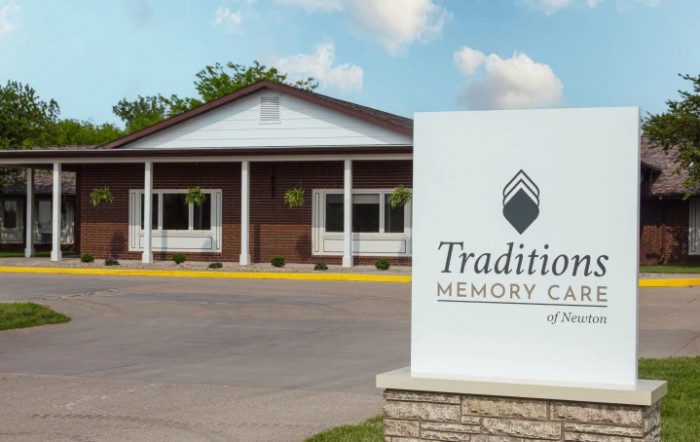


2130 West 18Th Street South, Newton, IA 50208
For more information about senior living options: (866) 208-4318
Overall Review of Accura Healthcare Of Newton West
Pros
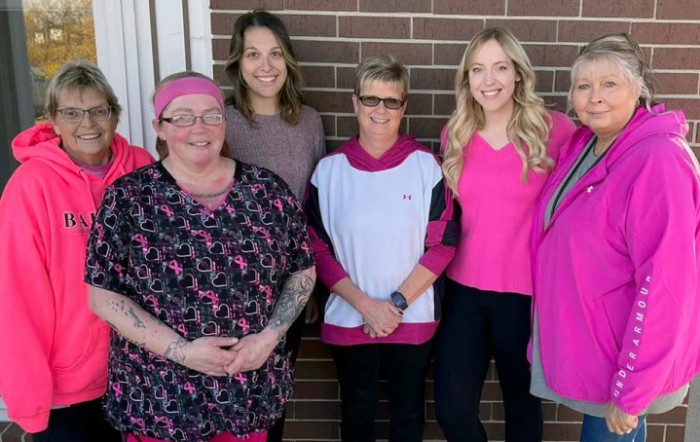
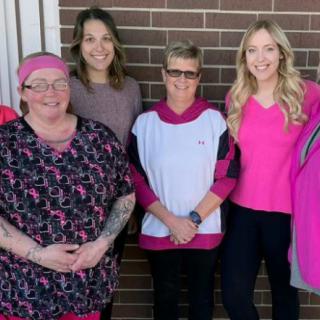
 The nurses and aides are praised for their hard work and care.
- Visiting friends and loved ones is believed to make a big difference in the care they receive.
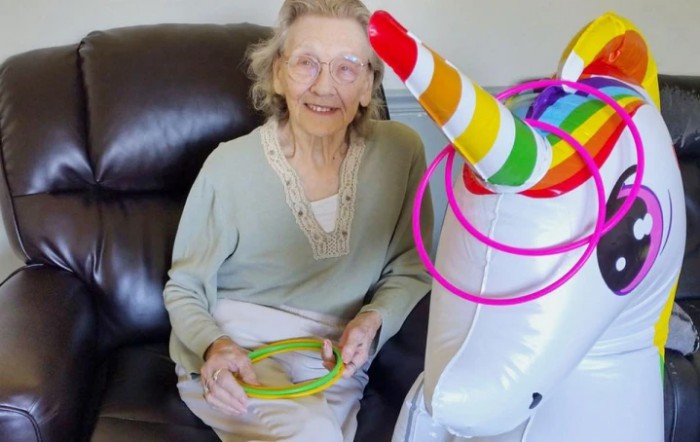
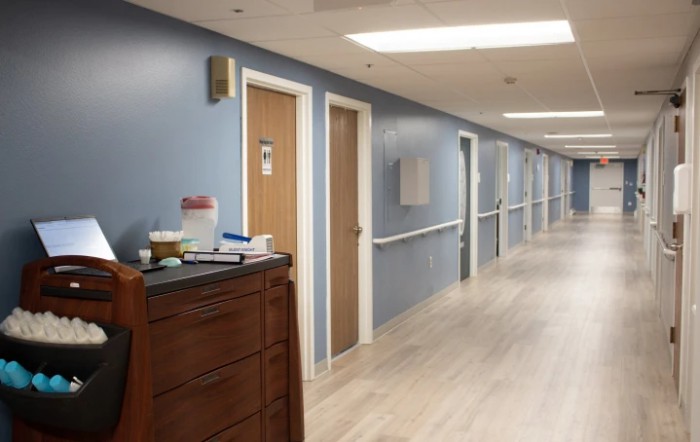
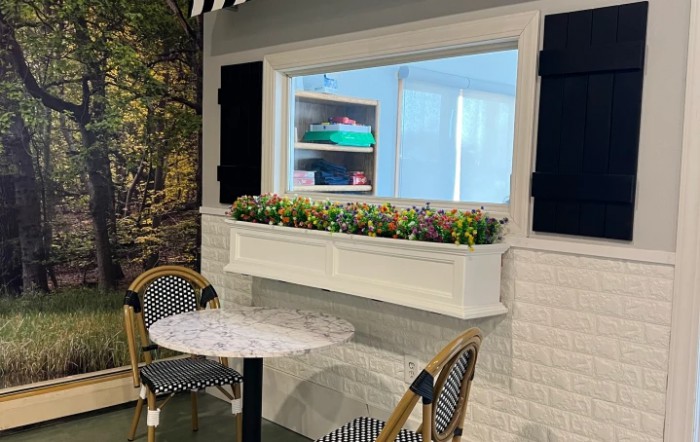
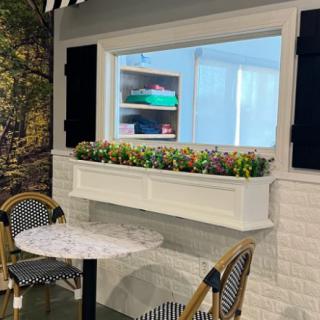
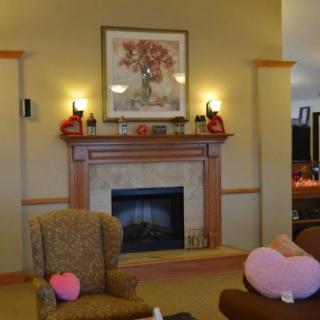
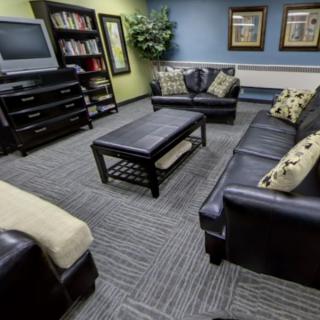
- The facility feels like a home, with a welcoming dining room and TV area.
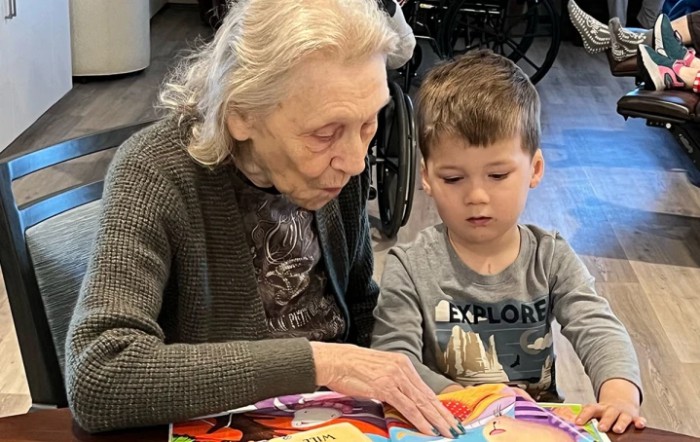
- The staff’s calm and caring approach reassures patients that their care is the number one priority.
- Knowing that a loved one will be well cared for when away from home helps relieve stress.
- The care center is seen as prioritizing care over money, contributing to a better environment.
Cons
 Some medications can do more harm than good.
- The reviewer criticizes the facility for prioritizing money over care.
Review
Accura Healthcare Of Newton West is best suited for families and residents who prize a warm, home-like environment and value active, hands-on involvement in care. The community presents itself as a residence more than a facility, with dining rooms and common areas arranged to foster companionship. For families that can visit regularly and stay engaged, watchful guardians who want to understand medications, observe how care is delivered, and see that their loved one is treated with respect, the setting can feel reassuring. The emphasis on making care the number-one priority and on recognizing the hard work of nurses and aides adds a practical backbone to daily life here.
Those who may want to consider alternatives are those who require rigorous, hospital-level medical oversight or an experience of care that is driven by highly standardized protocols. If a dependable, highly predictable schedule and a formalized med-management system are non-negotiable, other communities with more centralized medical oversight may be a better fit. When distance or demanding work schedules limit family visits, the risk of missing subtle shifts in condition or medication issues increases, making a facility with stronger external monitoring a more prudent choice.
On balance, the most compelling pros center on the emotional and relational fabric of care. The home-like dining and social spaces help residents stay connected and reduce the sense of upheaval that can come with aging. The reviewer’s emphasis on praising frontline staff and treating care as paramount signals a culture where caregivers remain motivated to go the extra mile, a quality that directly translates into steadier day-to-day support for residents. The ability to observe a resident’s condition, medications, and reactions through regular visits offers a level of transparency that is hard to replicate in more impersonal settings, and such visibility can compensate for a lack of automated reassurance in other facilities.
That said, the daily changes and the implicit tension between “care first” and financial realities temper the otherwise favorable impression. The commentary underscores the need to understand exactly what medications are being given, including recognizing the potential harms behind certain drug choices. This points to a critical reality: strong family oversight becomes a practical necessity here. When a facility relies on external eyes to catch subtle issues, continuity of attentive care hinges on the presence of relatives or trusted visitors who can corroborate care plans, monitor med changes, and advocate when red flags appear. Without that advocacy, the risk of missteps grows.
The main drawbacks, therefore, are not flashy but structural. Care quality can feel contingent on visitation and the personal dedication of staff, rather than on a guaranteed, uniform standard of clinical management. The admonition to consider the “money versus care” dynamic hints at potential tensions behind the scenes, the kind of constraint that can erode consistency if not consciously managed. Families should expect to invest time in reviewing med-pass logs, care plans, and daily routines, and to push for clear documentation that aligns with resident goals and safety concerns. This is not a setup for hands-off ownership of a loved one’s welfare.
In the end, the practical decision comes into focus: Accura Healthcare Of Newton West serves a particular niche well, families who can and will stay actively involved, who value a home-like milieu, and who want open access to observe and influence care. For those who cannot commit to that level of ongoing oversight or who demand a more rigid medical governance structure, seeking alternatives with more formalized oversight and predictable daily routines is advisable. The right match hinges on a clear readiness to engage, monitor, and advocate, leveraging the community’s strengths while compensating for its reliance on personal involvement to safeguard consistent, high-quality care.
 53 resident community capacity
 Skilled Nursing Facility
 Air-conditioning
 Beauty salon
 Cable or satellite TV
 Computer center
 Dining room
 Fitness room
 Fully furnished
 Gaming room
 Garden
 Housekeeping services
 Kitchenette
 Move-in coordination
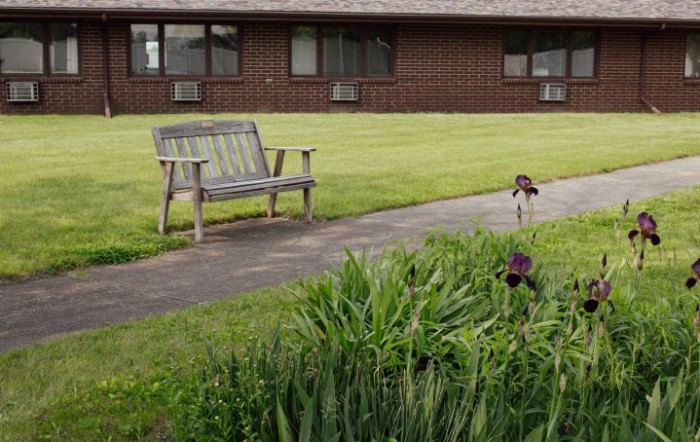
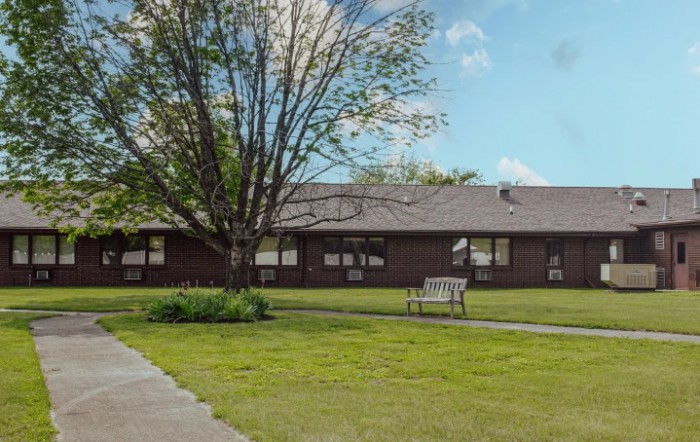
 Outdoor space
 Private bathrooms
 Restaurant-style dining
 Small library
 Telephone
 Wellness center
 Wi-Fi/high-speed internet available
 Community operated transportation
 12-16 hour nursing
 24-hour call system
 Activities of daily living assistance
 Assistance with bathing
 Assistance with dressing
 Assistance with transfers
 Diabetes diet
 Medication management
 Mental wellness program
 Special dietary restrictions
 Concierge services
 Planned day trips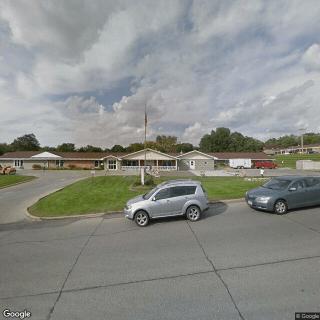


 California's Form 602A: An In-Depth Examination of Senior Care Assessment
 Comprehensive Look at Senior Blood Pressure Charts: Normal and Elevated Levels by Age
 Top Canine Companions for Older Adults