

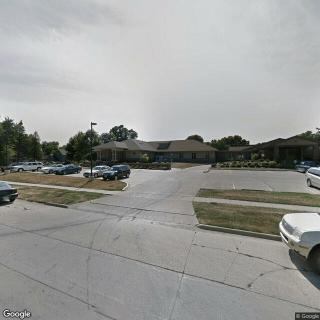
1000 West Lincolnway, Jefferson, IA 50129
For more information about senior living options: (866) 208-4318
Overall Review of Greene County Medical Center
Pros
 Greene County Medical saved a life, with Dr. Kohn in the ER and the ER nurses Bree, Dylan, and Dan providing wonderful and compassionate care.
- The ER staff and nurses are repeatedly described as wonderful and compassionate throughout the stay.
- The nursing staff are praised as the best part of the care received.
- The Bandaid station is described as being at its best.
- The facility is regarded as a friendly, small-town hospital that residents are glad to have.
- The place is loved by visitors, with thanks for having it in their town.
Cons
 The leadership discriminates against people with a genetic condition.
- They pick and choose which conditions they’ll treat.
- They value internal politics over actual care.
- They advise not to go to their ER and to avoid the Family Clinic if possible.
- The facility would not see someone without an insurance card, wasting a trip.
- The hospital is described as terrible, and the military doctor as rude and mean.
- The ER doctor allegedly refused opioids, did not examine the patient, and sent them home, leaving them unable to walk.
- The doctor should lose his license and the hospital should be sued.
- Patients receive bills from multiple companies that lack insurance information and misname patients.
- The reviewer nearly died and had their foreskin taken at that facility.
Review
Greene County Medical Center in Jefferson, IA, is best suited for residents who want fast access to emergency care and value frontline, compassionate nursing in a locally rooted hospital. The campus functions as a critical access point for a small town, where staff often know patients by name and respond with warmth in urgent moments. The overall rating of 3.2 from 23 reviews reflects a stark split: some praise life-saving ER care and caring nurses, while others lament administrative missteps and uneven provider behavior. This is not a facility built on a uniformly seamless care experience; families with expectations of a single, consistent network or a frictionless outpatient billing path should consider alternatives.
Who may want to consider alternatives includes families prioritizing consistent, non-discriminatory access regardless of genetic conditions, and those needing predictable scheduling and a straightforward, single-bill experience. The reviews show frontline care can be outstanding, but leadership and administrative gaps undercut trust and continuity. In such contexts, a larger regional hospital or a network with proven equity in care, more predictable billing, and stronger care coordination routines may deliver lower stress, especially for seniors with chronic conditions or those navigating multiple specialists.
Key strengths lie in the ER and in-patient bedside care when the system is functioning smoothly. Multiple accounts highlight life-saving intervention by ER physicians and compassionate nursing staff, with patients praising warmth, attentiveness, and thoroughness. In-town access also translates to shorter transport times and a familiar care context that can ease anxiety during emergencies. These positives can be decisive when urgent care is needed, and they justify keeping the center on the care map. Still, benefits are not automatic; the same staff mix that earns praise in one shift may coincide with frustration in another, depending on who is on duty.
The main drawbacks are hard-edged and consistently mentioned: leadership perceived as discriminatory toward certain genetic conditions, which betrays the core promise of equitable care. Administrative processes around billing appear fragmented, with patients receiving bills from multiple entities and insurance information frequently misapplied. Several clinicians are described as rude or dismissive, and pain management in at least one instance was severely inadequate, leaving a patient unable to walk. Appointment access can be unreliable, and insurance verification is inconsistent, turning timely care into a chase.
These dynamics shape practical decision-making. For those who value rapid ER access and can tolerate an uneven care experience, Greene County Medical Center remains a viable local option, especially for those living within a short drive. For ongoing primary care, chronic disease management, and straightforward outpatient encounters, however, alternatives with clearer governance, consistent provider interactions, and simplified billing reduce risk and frustration. The tension between frontline compassion and administrative shortcomings is the decisive factor: it makes some visits excellent and others demoralizing, undermining confidence in a facility that should be a steady anchor in health needs.
Families weighing this choice should anchor decisions in proximity, emergency readiness, and tolerance for variability. If the priority is dependable acute care with compassionate bedside nurses, Greene County Medical Center can satisfy when the right team is on shift; but if consistency, transparency, and a predictable outpatient experience are non-negotiable, consider alternatives in the region. Before deciding, demand specifics: which physicians staff the ER, how discharge planning and follow-up are coordinated, how the billing stack is organized, and what safeguards ensure equal access regardless of genetic or medical history. The ultimate decision should align with the family's core priorities: robust emergency capability locally or a model that emphasizes steady, streamlined care and clear administration.
 85 resident community capacity
 Skilled Nursing Facility
 Air-conditioning
 Beauty salon
 Cable or satellite TV
 Computer center
 Dining room
 Fitness room
 Fully furnished
 Gaming room
 Garden
 Housekeeping services
 Kitchenette
 Move-in coordination
 Outdoor space
 Private bathrooms
 Restaurant-style dining
 Small library
 Telephone
 Wellness center
 Wi-Fi/high-speed internet available
 Community operated transportation
 12-16 hour nursing
 24-hour call system
 Activities of daily living assistance
 Assistance with bathing
 Assistance with dressing
 Assistance with transfers
 Diabetes diet
 Medication management
 Mental wellness program
 Special dietary restrictions
 Concierge services
 Planned day trips







 Fecal Incontinence in Older Adults: A Comprehensive Guide
 Recognizing the Journey: Understanding and Navigating Anticipatory Grief
 Encouraging Participation in Adult Day Care: A Guide to Supporting a Hesitant Parent