






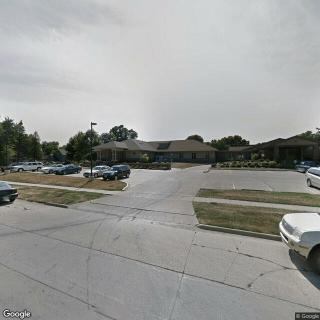
1000 West Washington Street, Jefferson, IA 50129
For more information about senior living options: (866) 208-4318
Overall Review of Gardens Assisted Living
Pros
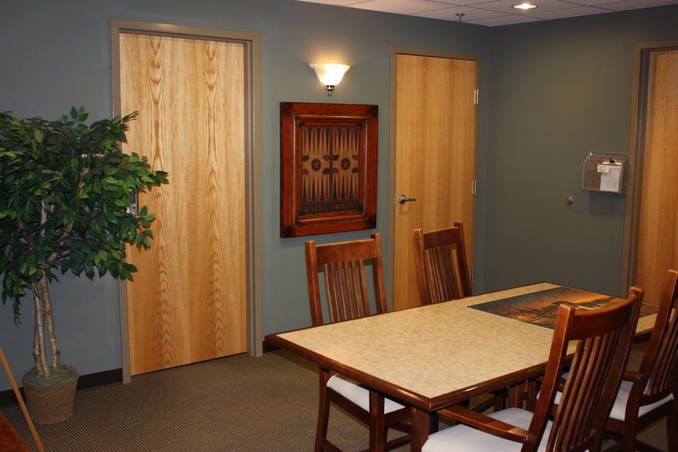
 The environment is friendly and welcoming, suitable for games.
- The staff are knowledgeable and provide compassionate care.
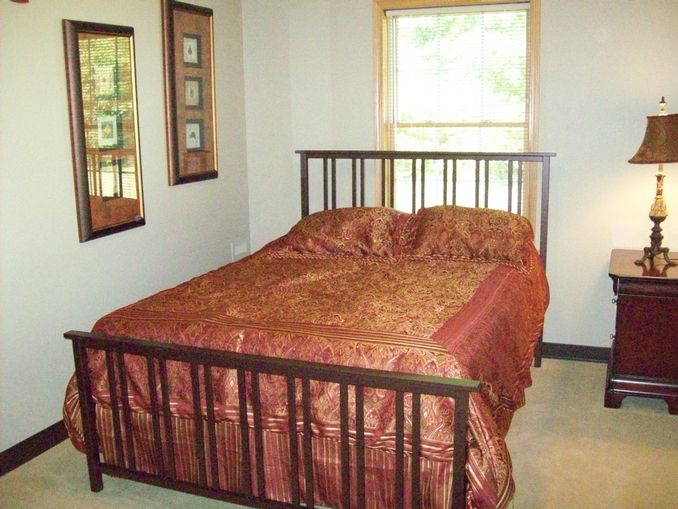
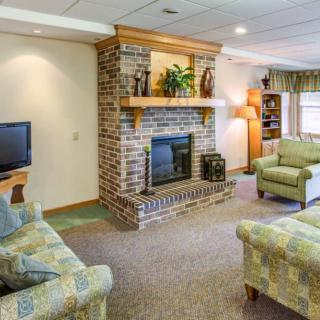
- The facility has a clean, homey feel.
- The administrator’s local background and nursing experience contribute to kind, compassionate care for Jefferson’s residents.
- There are many activities for the tenants to enjoy.
Cons
 Tara is an incredibly rude administrator.
- She is rude and unpleasant and holds a position such as this one.
- She comes across cold and nasty and makes others feel terrible after speaking to her.
- Her attitude is a reflection of her job, and thus of the place.
Review
Gardens Assisted Living in Jefferson is best suited for seniors who want a compact, home-like community where staff are accessible, activities abound, and leadership feels locally connected. The environment leans toward social engagement and day-to-day warmth rather than clinical intensity. The presence of a nurse at the top and a locally engaged administrator signals informed, hands-on oversight rather than distant bureaucracy. For older adults who thrive on routine, companionship, and a sense of belonging in a small-town setting, Gardens offers a dependable fit. This is not the pick for those who demand flawless administrative charm at all times or a rigorously formal, highly structured care plan where every decision is choreographed with ceremonial calm.
Those who should consider alternatives are residents with particularly fragile temperaments around leadership interactions, or families who place a premium on uniformly excellent customer service from the top down. If the senior requires a larger campus, more specialized memory-care features, or a facility with highly standardized processes across all shifts, the Gardens model may feel incomplete. The 9 reviews reveal a pattern: strong praise alongside a notable strand of dissatisfaction tied to a single administrator’s conduct, suggesting that resident experience can hinge on frontline leadership. For households prioritizing consistently polished front-desk service and zero risk of tense personality at the helm, other options may feel more predictable.
Pros show up in the care philosophy and the daily rhythm. Staff are described as knowledgeable, and the homey feel is repeatedly noted, which matters when a resident is settling into a new routine. The administrator’s background as a local nurse is a real asset: it translates to practical care decisions, quicker problem-solving, and a sense that clinical judgment is grounded in community context. The emphasis on activities, lots of social games and a broad calendar, supports both cognitive engagement and physical stamina, helping residents stay connected rather than isolated. A genuine, friendly environment adds real value, making amenities feel purposeful rather than cosmetic and strengthening the overall sense of security and belonging.
The primary drawback, as reflected in the lowest ratings, centers on interpersonal warmth at the top. An administrator named Tara is described as rude and cold, which is precisely the friction families fear when balancing care quality with human dignity. Leadership behavior that feels dismissive or abrupt colors the entire resident experience, even with capable caregivers and ample activity options. When concerns appear unaddressed or when resident voices seem minimized, trust in management erodes. In a setting that relies on routine, clear communication, and responsive caregiving, a troublesome leadership style can become a decisive factor in overall satisfaction, overshadowing otherwise solid care.
Still, the strong points form a meaningful offset for many families. The combination of knowledgeable staff, a clean, homey atmosphere, and robust programming creates tangible value that compact facilities often struggle to deliver. When administration aligns with hands-on care and local insight, clinical decisions feel well-informed and resident preferences carry weight in daily planning. The offset is not automatic, but it exists for those willing to engage early and set clear expectations with management, or who observe how concerns are handled through direct conversations with the director and care team. Prospective residents should demand concrete examples of problem resolution and request interactions with multiple staff to gauge consistency.
Bottom line: Gardens Assisted Living is a credible option for seniors who want a warm, community-centered setting with active programming and hands-on, knowledgeable care. It is worth serious consideration for families that tolerate occasional rough edges in leadership in exchange for a proven care framework and a locally grounded approach. Those who cannot tolerate any risk of a tense administrative encounter, whether due to cognitive impairment, anxiety about care decisions, or past experiences, should explore alternatives and compare how each facility handles resident concerns, staff engagement, and ongoing supervision. A focused tour that includes meeting the administrator, observing meal chats, and requesting references will illuminate whether the balance between pros and cons aligns with the loved one’s priorities.
 68 resident community capacity
 Assisted Living
 Respite Care
 Air-conditioning
 Beauty salon
 Cable or satellite TV
 Computer center
 Dining room
 Fitness room
 Fully furnished
 Gaming room
 Garden
 Housekeeping services
 Kitchenette
 Move-in coordination
 Outdoor space
 Private bathrooms
 Restaurant-style dining
 Small library
 Telephone
 Wellness center
 Wi-Fi/high-speed internet available
 Community operated transportation
 12-16 hour nursing
 24-hour call system
 Activities of daily living assistance
 Assistance with bathing
 Assistance with dressing
 Assistance with transfers
 Diabetes diet
 Medication management
 Mental wellness program
 Special dietary restrictions
 Concierge services
 Planned day trips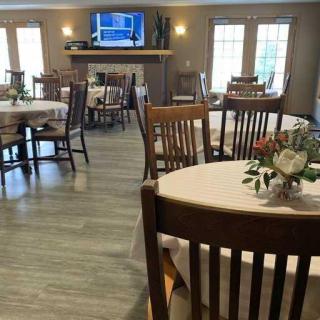






 How and When Medicaid May Cover Assisted Living Costs
 A Detailed Exploration of Assisted Living Medicaid Waivers Across the United States
 Comprehensive Residential Support and Assisted Living Solutions for Individuals with Disabilities