
2320 Washington Avenue, Iowa Falls, IA 50126
For more information about senior living options: (866) 208-4318
Overall Review of Heritage Care Center
Pros
 The home treats residents like family.
- It is a great facility with very caring staff.
- Heritage has as close to a home feel as a care center could have.
- The staff is friendly, caring, and skilled.
- The facility offers a variety of activities for residents, and the activities staff does a great job encouraging attendance and keeping them fun.
- The nursing and CNA staff are caring and attentive to residents' needs.
- The Social Services department is very caring and works hard to accommodate needs and pair compatible roommates.
- The business office staff are patient and understanding of residents' needs.
- The therapy staff are upbeat and energetic, helping residents feel motivated to meet goals.
- The dietary staff are very sweet and talk to residents as they serve meals and clean the dining room.
- They cannot say enough good things about their experience with the facility.
- It is a smaller facility with a home-like feel that allows residents and families to get to know each other.
- It has a great climate and culture.
- The facility is excellent and its staff is well managed.
- Heritage is worth checking out for anyone in Hardin County in need of a care center.
Cons
 The meals are not very good.
- The $5 cost for meals is too high for the quality and quantity of the food.
Review
Heritage Care Center in Iowa Falls is best suited for families seeking a smaller, home-like skilled-nursing environment where residents are treated as individuals and a tight-knit community eclipse the impersonal feel of larger campuses. This community excels for loved ones who value personal attention, easy neighborly connections, and consistent, approachable staff across disciplines. It is especially appropriate for families prioritizing roommate harmony, meaningful daily activities, and a climate that feels like a true neighborhood rather than a hospital. Those whose top priority is a top-tier dining program, cutting-edge specialty care, or expansive rehabilitation resources should consider alternatives with broader offerings.
The strongest advantage here lies in people and culture. The staff across nursing, CNA, social services, and therapy are described as genuinely caring, skilled, and attentive to each resident’s needs. The facility’s size supports a “home feel” where residents can be known by name, and families can build relationships with caregivers and administrators. Activity programming is robust for a community of its size, with encouragement from activities staff to participate and keep things engaging. The social services team goes beyond basic coordination, working to accommodate individual needs and even assist with compatible roommate placement, which dramatically reduces friction and enhances daily life.
On the other hand, the most persuasive drawback centers on dining. Meals are not perceived as high quality or generous in portion, and the $5 dining charge is described as too costly relative to the value received. This is the clearest, most concrete deficiency and something that families will want to weigh against the otherwise strong care and social environment. However, this con does not erase the positives: the warm, attentive dietary staff engage residents during meals, and the social atmosphere of the dining room remains a strength for many residents who value conversation and companionship as part of daily life.
The small-campus format supports tight-knit interactions but can limit expectations in certain areas. While the community delivers a varied activity calendar for its size, some families may wonder about the breadth of specialized programs, advanced medical services, or extensive rehab capabilities found in larger campuses. The balance here tilts toward a nurturing, manageable setting with personalized attention rather than a facility that touts a wide array of ancillary services. For residents who thrive on the immediacy of staff responsiveness and the comfort of known faces, this is a clear win; for those needing cutting-edge therapies or a broader menu of clinical options, alternatives may be preferable.
Therapy and coordinated care feel aligned with the home-like ethos. Therapy staff are described as upbeat and motivated, helping residents set and pursue meaningful goals, which translates into a more purposeful daily routine. Nursing and CNA teams are attentive, recognizing and responding to changes in condition with reliability. The combination of hands-on clinical care and a warm, social atmosphere helps mitigate some typical cons of small facilities, such as limited on-site resources, by delivering a consistently positive, people-centered experience. In short, clinical quality and emotional well-being appear to reinforce one another in a way that makes the overall package compelling for many families.
For families considering Heritage, the recommended approach is practical and targeted: schedule a thorough visit with a focus on dining quality and care routines, request meals to sample, and meet the therapy and social services teams to gauge fit with the loved one’s goals. Discuss care plans clearly, including roommate preferences, activity interests, and any memory care or rehab needs, to ensure alignment with expectations. If dining quality remains a high priority or if broader clinical breadth is non-negotiable, prospective residents may want to compare with other local options. When emphasis is on a loving, community-driven setting and attentive staff, Heritage Care Center stands out as a thoughtful, capable choice that many families will feel confident about.
 66 resident community capacity
 Skilled Nursing Facility
 Air-conditioning
 Beauty salon
 Cable or satellite TV
 Computer center
 Dining room
 Fitness room
 Fully furnished
 Gaming room
 Garden
 Housekeeping services
 Kitchenette
 Move-in coordination
 Outdoor space
 Private bathrooms
 Restaurant-style dining
 Small library
 Telephone
 Wellness center
 Wi-Fi/high-speed internet available
 Community operated transportation
 12-16 hour nursing
 24-hour call system
 Activities of daily living assistance
 Assistance with bathing
 Assistance with dressing
 Assistance with transfers
 Diabetes diet
 Medication management
 Mental wellness program
 Special dietary restrictions
 Concierge services
 Planned day trips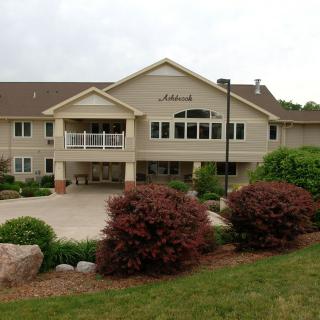


 A Detailed Examination of Nursing Home Costs Across the U.S.
 Exploring Nonmedical Home Care: Understanding Services, Costs, and Financial Approaches
 Engaging Brain Games and Innovative Apps to Keep Senior Minds Active