Overall Review of Fort Dodge Health And Rehabilitation
differentiator4 reviews mention this
Therapy support shows up strongly
Residents describe therapy teams that help them regain strength.
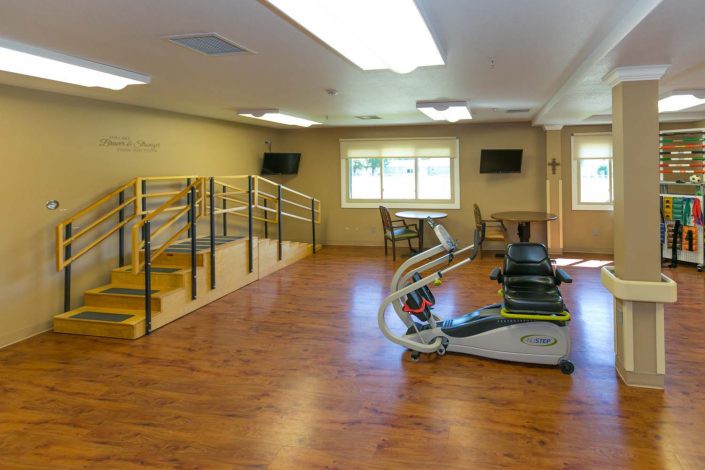
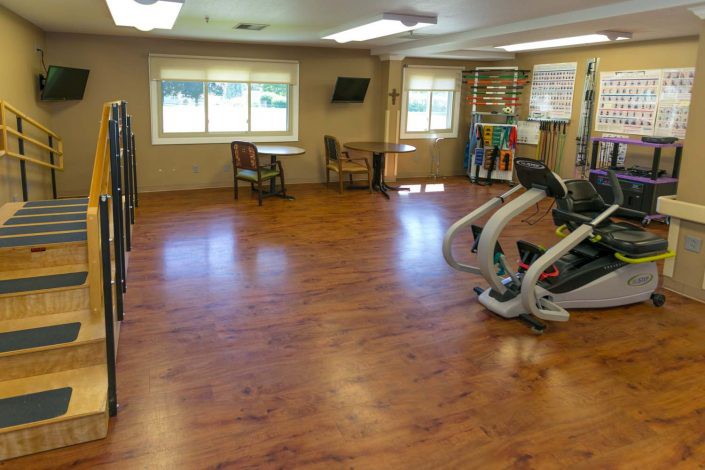
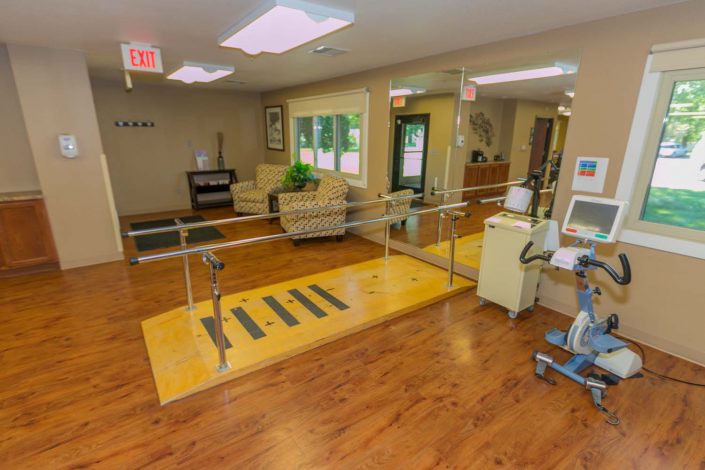
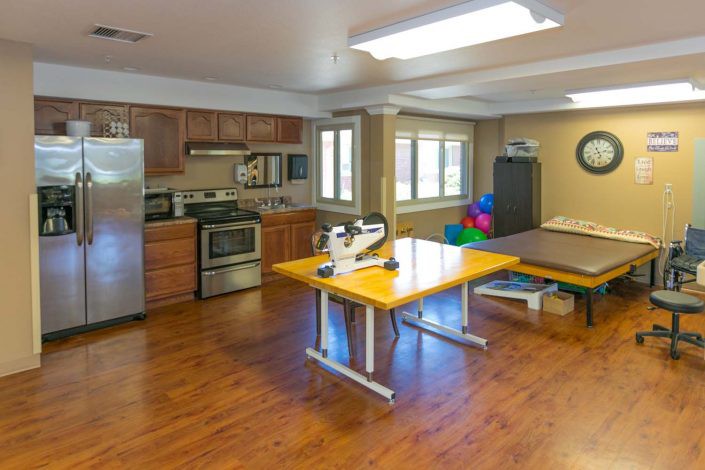
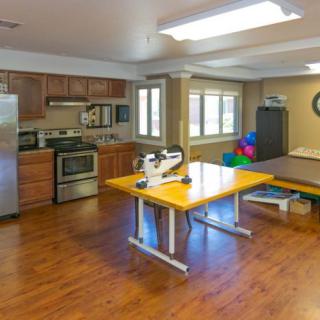
Multiple reviewers point to therapy as a standout part of the experience, mentioning excellent therapy performance and a therapy setup that supports getting stronger. A few residents also describe therapy staff making improvement feel more engaging and tailored. The community offers fitness programs and a wellness center that align with that focus on rehabilitation and movement.
caveat3 reviews mention this
Care concerns include outbreaks
Some residents and families report serious cleanliness and outbreak issues.
Several negative reviews mention bed bugs and scabies, with comments that these problems were present throughout the building. Another reviewer also describes a worsening feeling in the facility after a leadership change, reinforcing the concern about overall conditions. While the community offers housekeeping services and outdoor space, these reviews focus on health-safety breakdowns rather than comfort alone.
caveat7 reviews mention this
Staffing and response times frustrate families
Families describe delays in help and difficulty reaching staff.
A recurring concern is that residents do not always receive timely attention, including periods when no staff intervened and reports of long waits for help. Some reviewers also mention call systems not working or being hard to reach, including needing repeated attempts to contact the facility. Residents in at least one positive review describe adequate staffing, but the negative reviews make staffing reliability a central concern.
common10 reviews mention this
Many residents praise caregivers
Many reviewers describe staff as friendly, caring, and responsive.
On the positive side, multiple reviews describe staff as compassionate and treating residents like family. A number of families also say staff were attentive when problems came up and that their loved ones received great care. The community provides activities and supports with activities of daily living, which fits the day-to-day support reviewers describe in their feedback.
common4 reviews mention this
Activities keep people engaged
Residents and families mention programs and activities that fill the days.
Several reviewers say there are enough things happening to keep residents interested, including daily activities and a variety of options. One review specifically calls out an environment that feels set up for engagement and companionship. The community offers planned day trips, community-sponsored activities, and fitness programs, which matches the way multiple reviewers describe having structured things to do.
caveat4 reviews mention this
Dining is mixed and inconsistent
Dining experiences are described both positively and negatively.
Some reviewers comment on food being satisfactory or even amazing, while others report serious problems like missing supper and cold, soggy meals. These differences show up sharply in family accounts, with one review also describing inadequate assistance around a meal tray. The community offers restaurant-style dining and meal preparation and service, but resident feedback on meal quality and delivery varies.
How we summarize
Counts show how many written reviews mention each theme; a review can touch several themes, and only frequently mentioned themes are displayed.
Features
Housing
65 resident community capacity
Types of Care
Skilled Nursing Facility
Amenities
Air-conditioning
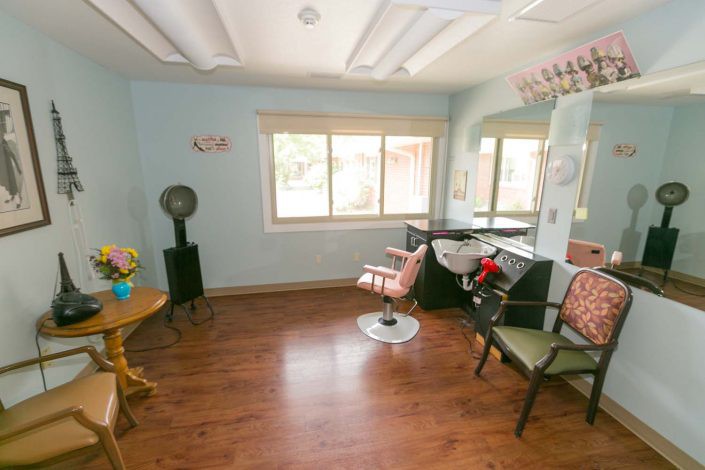
Beauty salon
Cable or satellite TV
Computer center
Dining room
Fitness room
Fully furnished
Gaming room
Garden
Housekeeping services
Kitchenette
Move-in coordination
Outdoor space
Private bathrooms
Restaurant-style dining
Small library
Telephone
Wellness center
Wi-Fi/high-speed internet available
Transportation
Community operated transportation
Transportation arrangement
Transportation arrangement (non-medical)
Transportation to doctors appointments
Care Services
12-16 hour nursing
24-hour call system
24-hour supervision
Activities of daily living assistance
Assistance with bathing
Assistance with dressing
Assistance with transfers
Diabetes diet
Meal preparation and service
Medication management
Mental wellness program
Special dietary restrictions
Dining
Diabetes diet
Special dietary restrictions
Activities
Community-sponsored activities
Concierge services
Fitness programs
Planned day trips
Resident-run activities
Scheduled daily activities
Nearby Places of Interest
Places of Worship
General Conference Of Seventh-Day Adventists (0.1 miles)
Seventh-Day Adventist Church (0.1 miles)
WW Studio (0.4 miles)
United Methodist Church (0.7 miles)
Church of Damascus Road (0.9 miles)
St Olaf Lutheran Church (0.9 miles)
Iowa Mens Ministries (0.9 miles)
Parks
Loomis Park (0.4 miles)
Izaak Walton Park (0.5 miles)
Hawley Lions Park (0.6 miles)
City Square Park (1 miles)
Fort Dodge Parks & Recreation (1.1 miles)
Rosedale Rapids Park (2.3 miles)
Badger Lake At Kennedy Park (4.5 miles)
Restaurants
Amigos (0.8 miles)
Village Inn (0.9 miles)
Olde Boston's Restaurant & Pub (1.1 miles)
Dariette (1.1 miles)
TC Mae's Family Diner (1.1 miles)
Sneakers Eatery and Pub (1.1 miles)
Sports Page Bar & Grill (1.1 miles)
Pharmacies
Disco Drug Medical Arts Building (1.1 miles)
Daniel Pharmacy (1.1 miles)
CVS Pharmacy (1.7 miles)
Walgreens (2 miles)
Physicians
Trimark Physicians Group (1.1 miles)
Ismail Al-Ani MD (1.6 miles)
Fort Dodge Dermatology Clinic (1.8 miles)
Mid-Iowa Dermatology (1.8 miles)
Fort Dodge Oral Surgery (1.9 miles)
Trimark Physicians Group (1.9 miles)
Wolfe Eye Clinic (1.9 miles)
Cafes
Harty's Caddy Shack Cafe (1.1 miles)
A Pinch Of Love Cafe (1.9 miles)
Starbucks (2.1 miles)
Hospitals
Fort Dodge Veterans Administration Clinic (1.6 miles)
Urology Associates PC (1.8 miles)
Unitypoint Health (1.9 miles)
Physician's Office Building (1.9 miles)
UnityPoint Health - Trinity Regional Medical Center (1.9 miles)
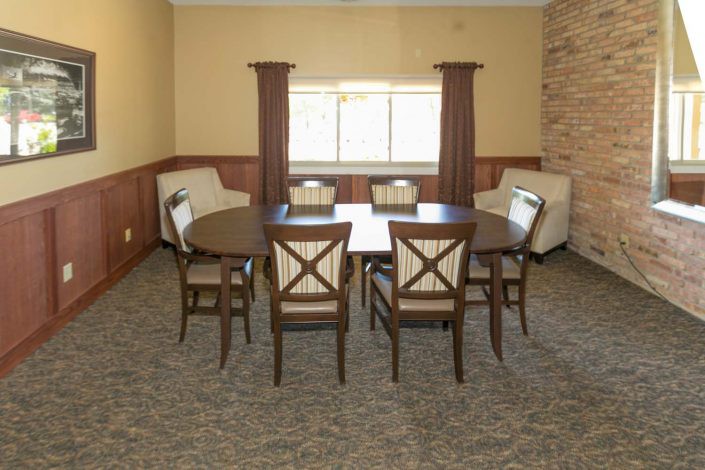
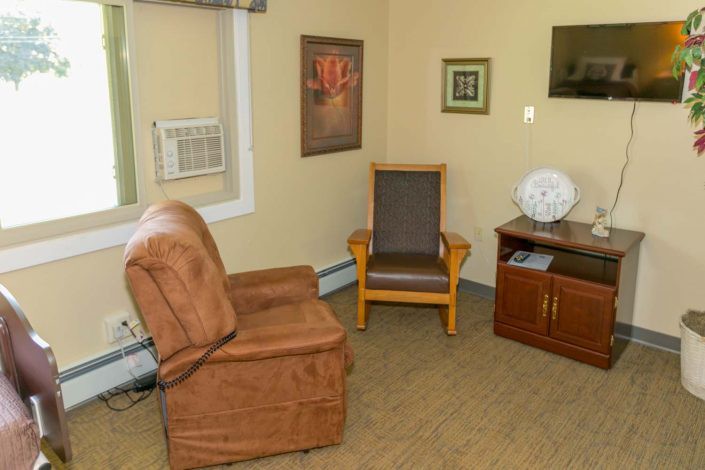
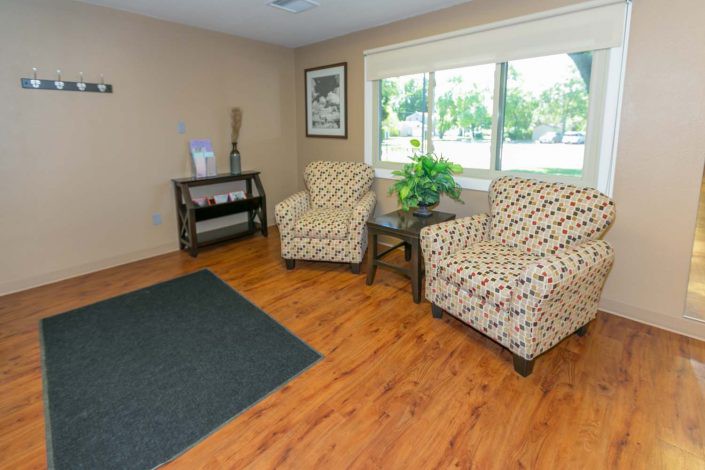
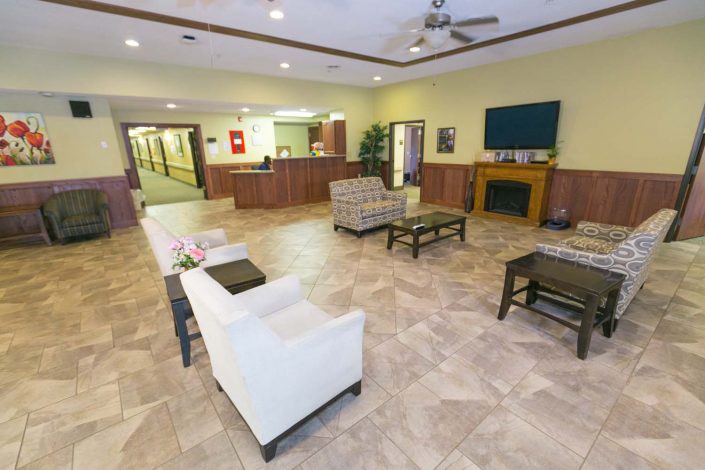
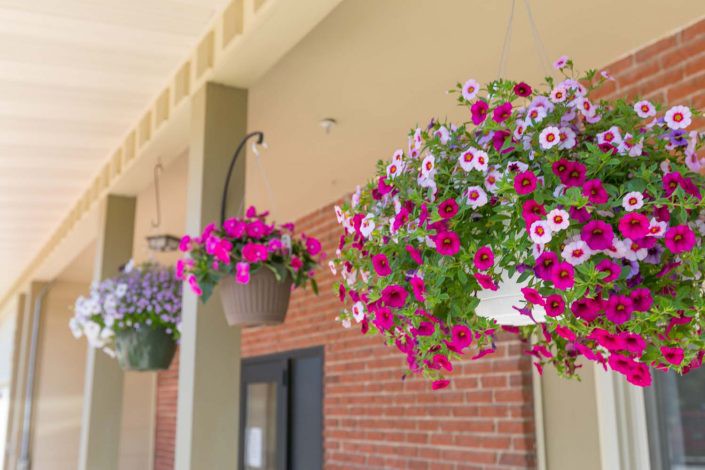
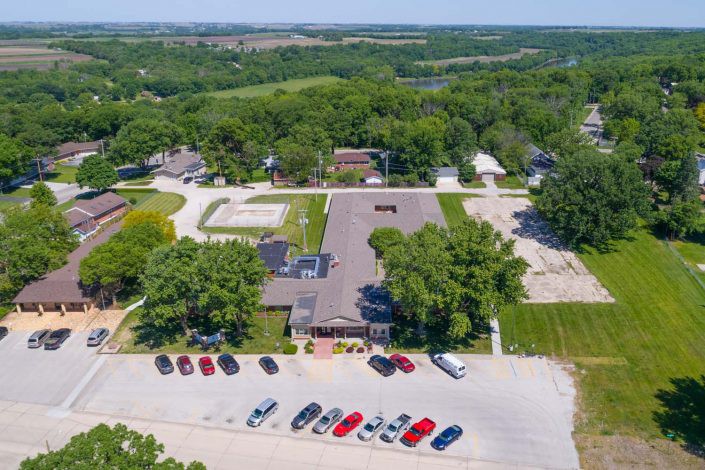
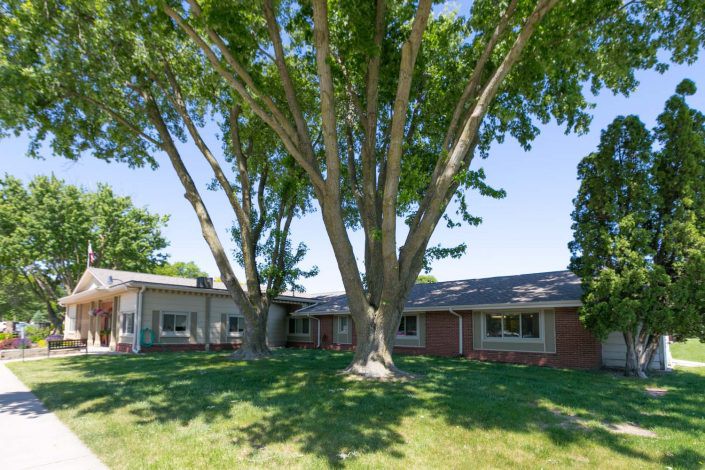
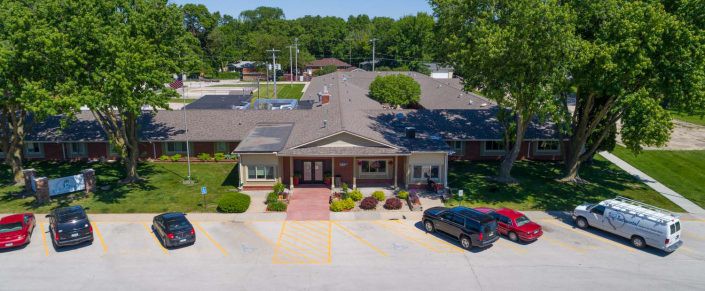
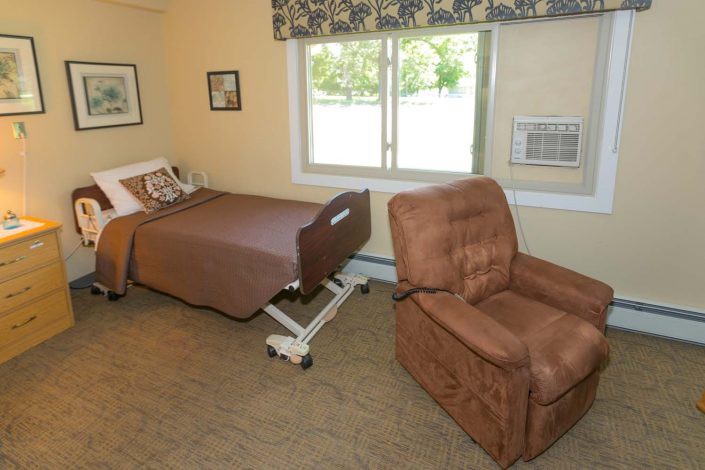
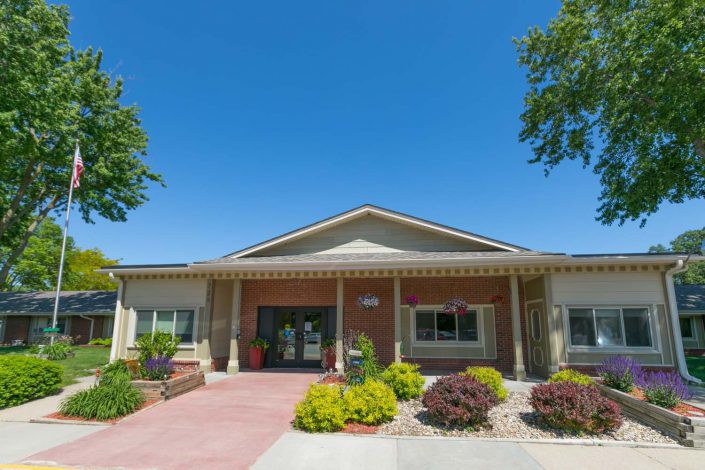
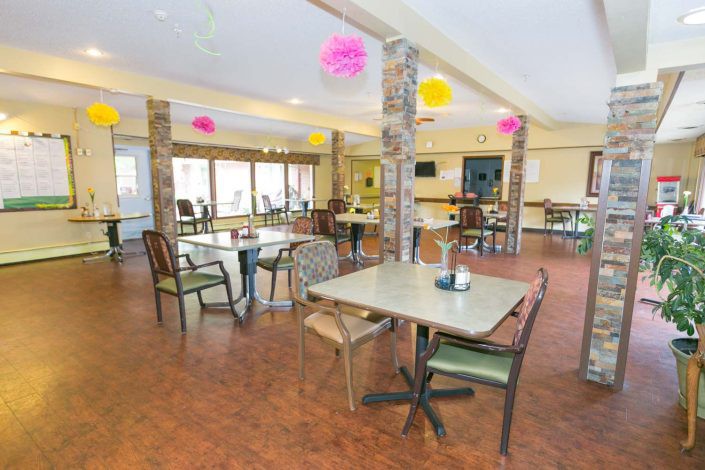
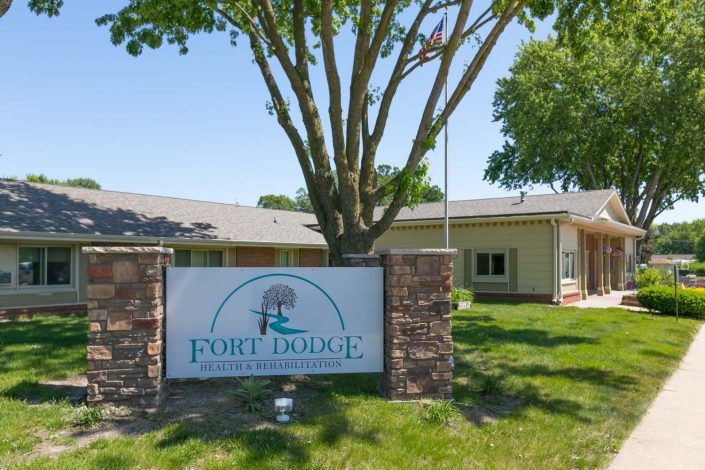
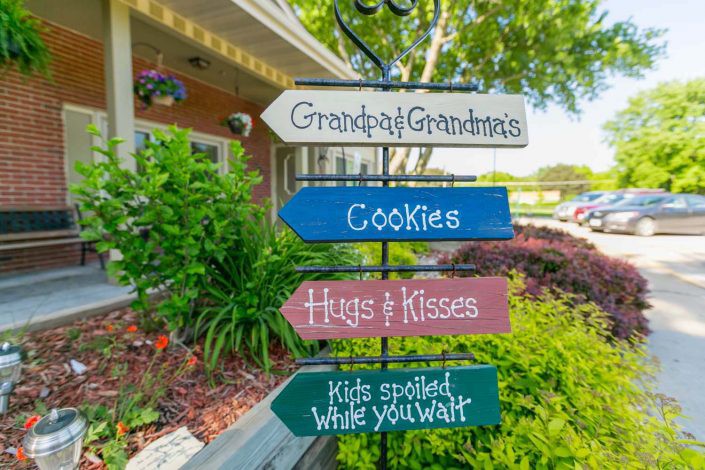
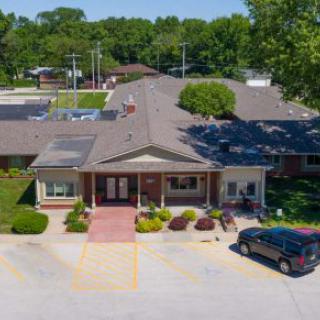
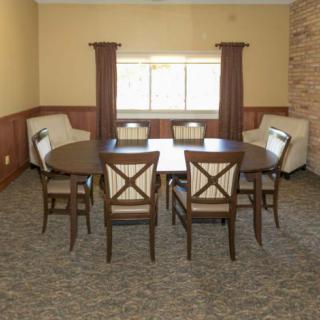
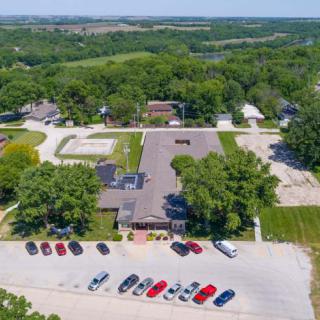
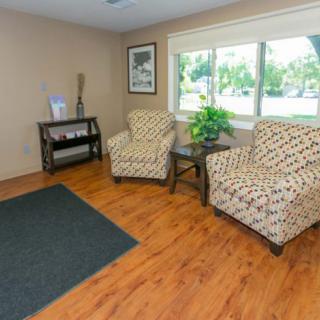
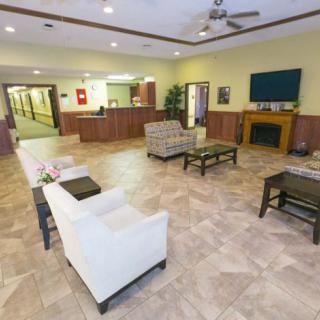
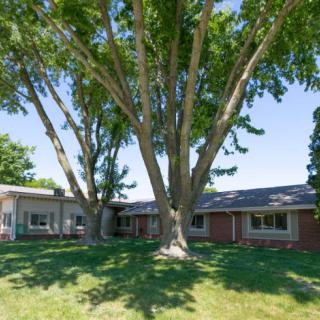
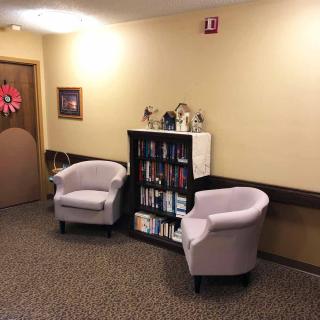
Fort Dodge Health And Rehabilitation on seniors.fyi includes 18 photos including images showing interior, windows, building, landscaping, trees, dining, decor, outdoors, and more.
Nearby Communities
Webster County Public Health
Fort Dodge, IA
3.8 from 20 reviews
$2,900 to $3,600 / month
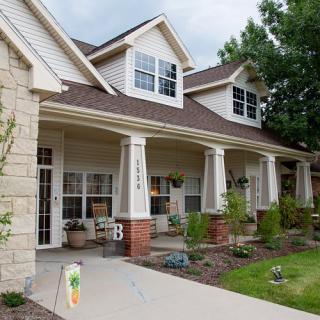
Excellent access to a wide range of nearby amenities (cafes, parks, pharmacies, physicians, restaurants, transportation, places of worship, and hospitals) with competitive pricing.
Bickford Cottage Fort Dodge
Fort Dodge, IA
4.5 from 26 reviews
Specialized memory care with 24/7 supervision and engaging activities
Bickford of Fort Dodge
Fort Dodge, IA
4.6 from 40 reviews
$4,500 to $5,250 / month
Caring staff with engaging activities in a beautiful, welcoming setting.
Wahkonsa Manor
Fort Dodge, IA
3.3 from 6 reviews
Comprehensive amenities with accessible healthcare network and spiritual/social programming.
Greenleaf Retirement Community
Fort Dodge, IA
$3,995 to $5,193 / month
Specialized diabetic care with active programming and off-site devotional services.
The article highlights eight essential assistive devices that improve the independence and safety of older adults, addressing issues related to mobility, balance, vision, hearing, and dexterity. It emphasizes the importance of proper selection guided by healthcare professionals to enhance seniors' quality of life while allowing them to age in place.
The article offers detailed guidance on the financial complexities of nursing home care, covering costs, payment methods, and alternative funding strategies while emphasizing the importance of proactive planning and legal considerations for individuals and families making care decisions.
The article emphasizes the critical role of supportive employee benefits for caregivers, advocating for flexible scheduling, paid leave, and mental health services to ease their challenges while enhancing employee well-being and organizational loyalty. It also highlights the importance of strong leadership in promoting these initiatives to foster a sustainable workplace culture that values caregivers.
Television, Fireplace, Lobby, Waiting Area, and Reception
Entrance
Outdoors
Exercise Equipment
Salon
Wall Art
Nature and Brick Building
Parking
Gym and Workout Space
Grass and Tree
Rehabilitation and Exercise Room
Physical Therapy
Fitness
Aerial View and Road
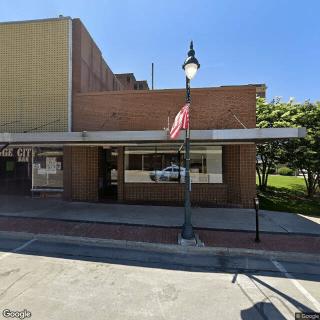
Brick Wall
Get PricingAsk A QuestionSchedule A TourContact Senior Advisor
By clicking submit, you agree to our Partner's Terms of Use. You
also consent to receive calls and texts, which may be autodialed, from our Partner. Your consent is not a condition to
using our Partner's service. Please visit our Partner's Privacy Policy for information about their privacy practices.


 65 resident community capacity
 Skilled Nursing Facility
 Air-conditioning
 Beauty salon
 Cable or satellite TV
 Computer center
 Dining room
 Fitness room
 Fully furnished
 Gaming room
 Garden
 Housekeeping services
 Kitchenette
 Move-in coordination
 Outdoor space
 Private bathrooms
 Restaurant-style dining
 Small library
 Telephone
 Wellness center
 Wi-Fi/high-speed internet available
 Community operated transportation
 12-16 hour nursing
 24-hour call system
 Activities of daily living assistance
 Assistance with bathing
 Assistance with dressing
 Assistance with transfers
 Diabetes diet
 Medication management
 Mental wellness program
 Special dietary restrictions
 Concierge services
 Planned day trips
 Excellent access to a wide range of nearby amenities (cafes, parks, pharmacies, physicians, restaurants, transportation, places of worship, and hospitals) with competitive pricing.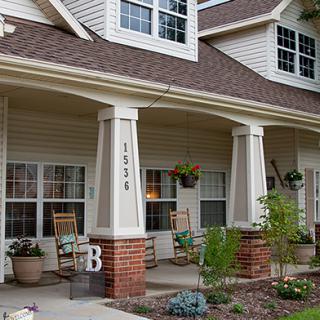
 8 Essential Assistive Devices for Older Adults
 Navigating the Financial Road to Nursing Home Care: In-Depth Guidance and Resources
 Supportive Employee Benefits That Help Caregivers Attain Better Work-Life Harmony