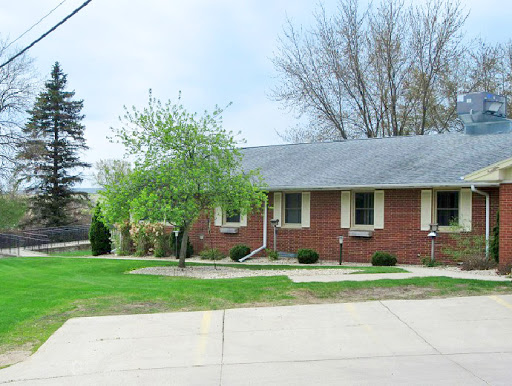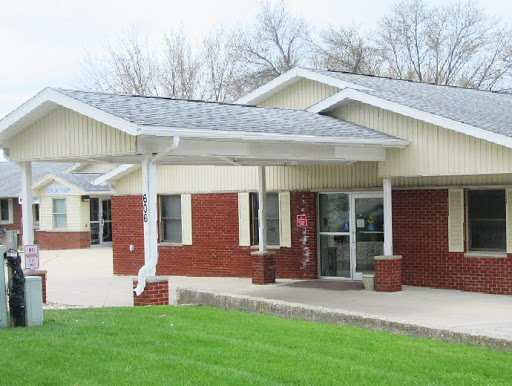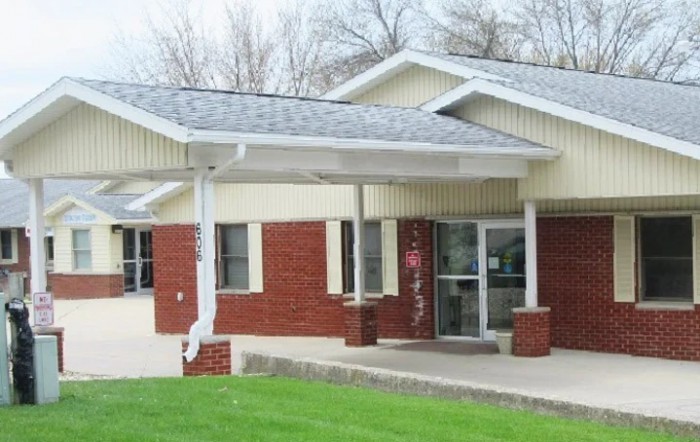
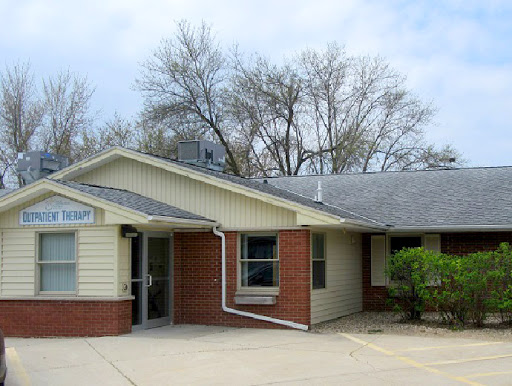
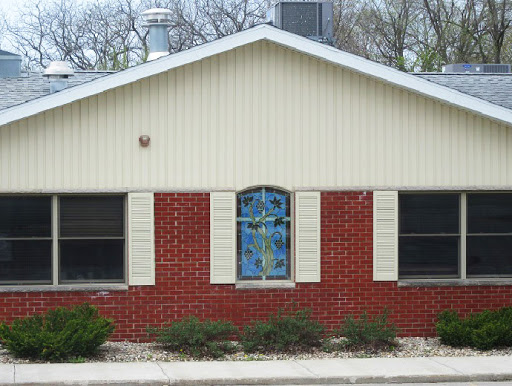
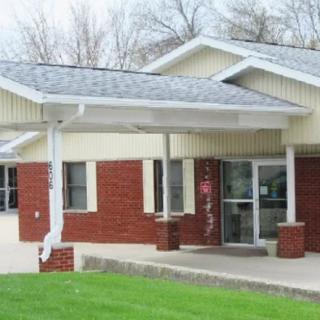
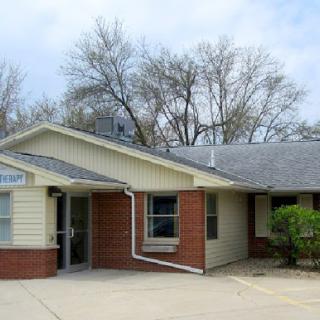
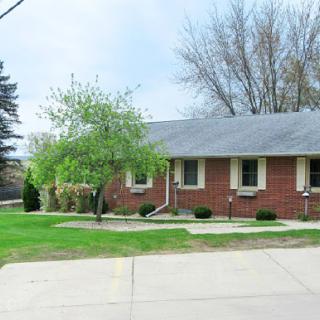
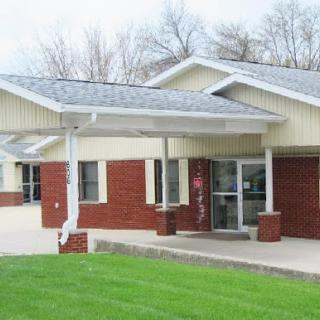
606 South Seventh Street, Forest City, IA 50436
For more information about senior living options: (866) 208-4318
Overall Review of Good Samaritan Society - Forest City
Pros
 It is a nice retirement home.
- They seem to take good care of people, including the grandfather.
Cons
 The mother was never seen by a doctor.
- Physical therapy was supposed to come twice a week, but often didn’t come at all.
- They take so long to respond when help is needed.
- Some of her belongings disappeared, and staff claimed they didn’t know what happened or where they were.
- The staff don’t seem to care about residents, only themselves.
- Families should not place relatives there; stay away.
- The nursing home did nothing when the girlfriend’s son developed a bad infection on his tailbone.
Review
Good Samaritan Society - Forest City is best suited for seniors who want a home-like, social environment with straightforward daily living support and a lower-cost option, rather than a facility driven by aggressive medical oversight. It suits residents who can thrive with companionship, routine activities, and basic assistance, while not requiring frequent physician visits or highly coordinated rehabilitation services. For families prioritizing a stronger medical safety net, this community will feel undersized in its coverage and may fall short of expectations for timely clinical attention.
Those considering alternatives should weigh the facility against options that promise more consistent medical oversight and faster response to needs. If a resident depends on regular physician rounds, prompt nursing responses, or reliable physical therapy, especially when infections or acute symptoms arise, this may not be the best fit. Families concerned about the security of personal belongings, or about reports of staff responsiveness and accountability, will want to compare resident-care protocols, incident reporting, and staff training at other communities.
The strongest positives here rest on the atmosphere: some residents and families describe a pleasant, retirement-home feel and note that staff can be attentive in routine, non-emergency moments. In a setting where social engagement and daily living routines matter, these elements provide genuine value. When medical complexity is low and the primary goal is companionship and assistance with activities of daily living, this environment can deliver a comfortable, predictable daily rhythm and a sense of belonging.
However, the most significant drawbacks center on medical and operational gaps. Several reviews indicate that medical oversight is inconsistent, no doctor visits during extended stays, and rehabilitation therapies that may not arrive as scheduled. The responsiveness of staff in urgent situations is questioned, with reports of slow help during calls for help. Compounding these issues are concerns about belongings going missing and disputes over accountability. Taken together, these risks undermine safety and trust, especially for residents with evolving health needs or those who rely on timely interventions.
To evaluate this community effectively, families should demand concrete assurances: how often a physician visits, the exact PT schedule and guarantees, and the process for alerting families about medical changes. Inquire about response-time data for urgent calls, how incidents or losses are investigated, and what safeguards exist to protect residents’ belongings. Request a tour focused on real-world, time-based care delivery: observe staff interactions, call-bell response in common areas, medication management practices, and the cleanliness and organization of rooms. Requiring transparent policies and current metrics will reveal whether the promised care aligns with day-to-day reality.
Bottom-line judgment: Good Samaritan Society - Forest City delivers a respectable, social, lower-cost living option for seniors whose primary needs are companionship and daily assistance rather than dependable medical oversight. It is not ideal for residents with complex health issues or for families who cannot tolerate inconsistencies in medical attention or accountability. Those who choose this community should pair their stay with proactive external supports, regular physician engagement, in-home care, or community-based services, to shore up clinical gaps. If medical acuity is a continuing concern, it is prudent to explore facilities with stronger clinical staffing, clearer response protocols, and stronger protections for resident belongings.
 56 resident community capacity
 Skilled Nursing Facility
 Air-conditioning
 Beauty salon
 Cable or satellite TV
 Computer center
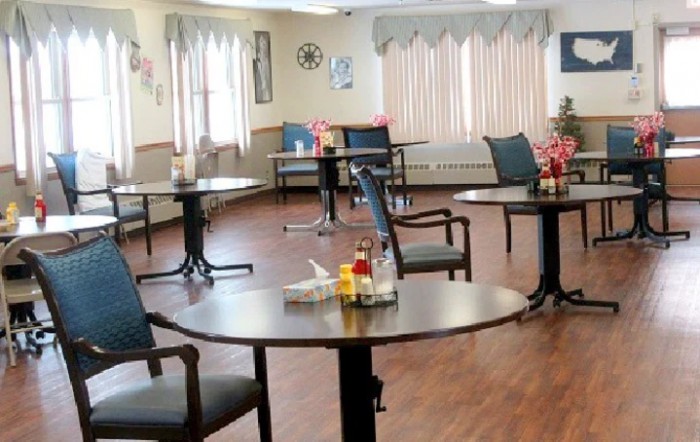
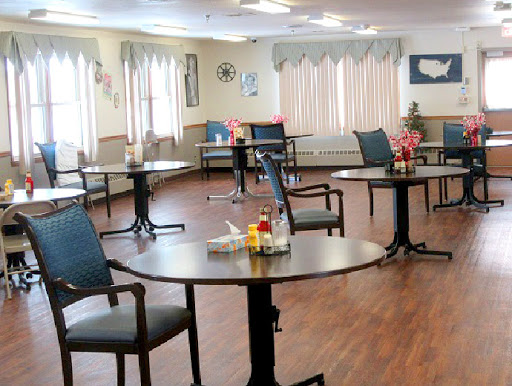
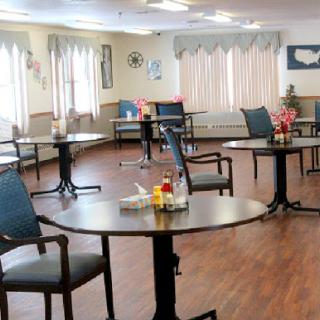
 Dining room
 Fitness room
 Fully furnished
 Gaming room
 Garden
 Housekeeping services
 Kitchenette
 Move-in coordination
 Outdoor space
 Private bathrooms
 Restaurant-style dining
 Small library
 Telephone
 Wellness center
 Wi-Fi/high-speed internet available
 Community operated transportation
 12-16 hour nursing
 24-hour call system
 Activities of daily living assistance
 Assistance with bathing
 Assistance with dressing
 Assistance with transfers
 Diabetes diet
 Medication management
 Mental wellness program
 Special dietary restrictions
 Concierge services
 Planned day trips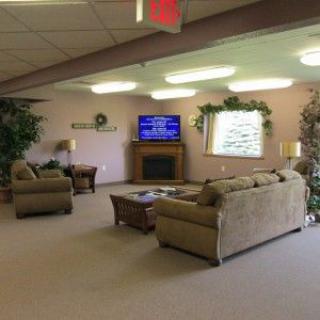

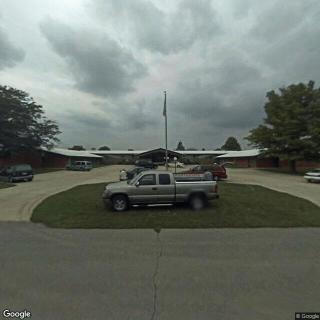


 Supportive Employee Benefits That Help Caregivers Attain Better Work-Life Harmony
 Top Cars for Senior Drivers and Essential Safety Innovations
 A Closer Look at Private Pay Home Care