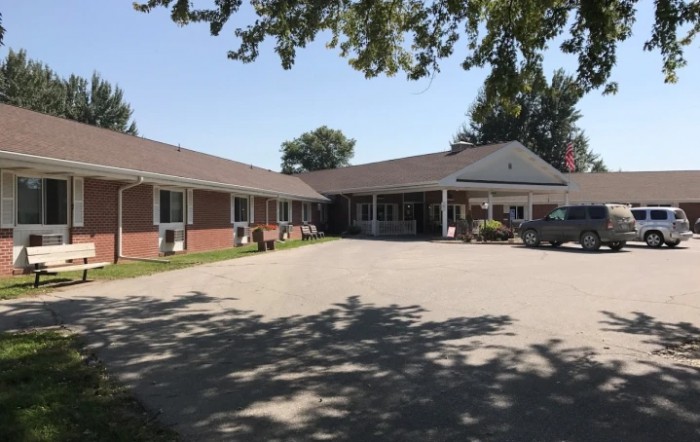

1202 Ridge Road, Denison, IA 51442
For more information about senior living options: (866) 208-4318
Overall Review of Denison Care Center
Pros
 The caregivers are amazing.
- The staff got along very well with the father-in-law.
- The business office was helpful in filing insurance correctly.
- The nurses were awesome and the staff were helpful.
- The facility is tag-free.
- The facility is awesome.
Cons
 There were five different stories about what happened after the fall, and staff could not provide straight answers.
- A staff member allegedly pulled the mother’s arm up while she screamed, and others claimed she overreacted due to dementia.
- The forceful handling and pushing to move her to the hospital resulted in a broken shoulder and bruised ribs.
- The mother deteriorated rapidly and died two weeks later, with care described as very unprofessional in handling the incident and family.
- Meals were skipped and replaced with Ensure, and the mother’s bed was dirty with donuts and snacks.
- Billing was a nightmare and staff were clueless; an administrator left after admission, leaving no one in charge for months.
- The reviewer warns not to trust this place with a family and regrets ever placing their mother there.
Review
Denison Care Center is best suited for families that prize genuine, everyday warmth from front-line caregivers and are prepared to act as an ongoing, proactive part of the care team. This community can deliver meaningful daily human contact, with some staff members who clearly connect with residents and take pride in hands-on care. It is a practical option for someone who wants a familiar, personal feel in a small-town setting and is willing to monitor operations closely, ask tough questions, and push for transparent communication. Those seeking a consistently flawless safety record, seamless administration, and rock-solid reliability should consider other options first. For residents with high fall risk, aggressive medical needs, or dementia care that requires rigorous, well-documented protocols, this facility should not be the default choice without a careful, critical vetting process.
On the positive side, care staff can be described as deeply engaged and capable in day-to-day tasks. Several families highlighted outstanding support from nurses and aides, noting that the people who interact with residents most often can create moments of real comfort and stability. The environment is described as tag-free, which some families appreciate for reducing the procedural feel around billing and paperwork. The business side occasionally demonstrates helpful intent, with staff who attempt to file insurance correctly and advocate for the family’s financial questions. When the care team is aligned, relationships with residents feel respectful and personal, and that is a substantial asset in any long-term residence. These strengths matter because, in a setting where physical safety is non-negotiable, the quality of daily human contact can determine how well a resident tolerates the transition and maintains mood and routine.
However, the heavier weight of experience here lies in a troubling pattern of safety and administrative concerns that deeply undermine trust. A highly troubling incident involving a fall is described with competing, inconsistent narratives, timelines that don’t line up, and a lack of clear, straight answers when the family needed them most. The perception that crucial moments of care were mishandled, pulling an arm in pain, the resident left to struggle, and insufficient communication about what happened, creates a lasting fear about whether the environment prioritizes safety or optics. Beyond this, reports of meals being skipped, beds being left dirty, and snack-in-bed practices that contradicted safety precautions for someone with dementia point to operational gaps that can undermine nutrition, hygiene, and overall well-being. When an administrator turnover leaves weeks or months without stable leadership, the risk of inconsistent policy and accountability rises sharply.
These safety and management weaknesses do not vanish behind a few warm moments with caregivers. The strongest pros, genuine caregiver diligence and a responsive nursing staff, do offset some daily stressors, yet they do not fully neutralize the core risks. The presence of capable staff during routine care can keep a resident comfortable and engaged, but the ability to respond effectively in emergencies, communicate clearly about incidents, and maintain reliable systems for meals, hygiene, and safety protocols remains inconsistent. In a decision-making framework, the daily charm of compassionate care must be weighed against the probability of abrupt leadership gaps, incomplete incident reporting, and the potential for miscommunication that harms trust and safety. Families should not assume that warmth erases systemic issues.
For families considering Denison Care Center, a disciplined due-diligence approach is essential. Before making a commitment, demand a current, candid tour focused on fall prevention practices, wound and hygiene protocols, meal service routines, and the cadence of daytime and nighttime staffing. Request the administrator’s current contact and invite a direct discussion about any recent incidents and corrective actions taken. Scrutinize a current billing and insurance workflow: how charges are explained, what services are included, and how disputes are resolved. Look for recently posted state or regulatory inspections and any plans to address identified deficiencies. Above all, insist on a concrete care plan that documents risk assessments, cognitive support strategies, and measurable goals for safety, nutrition, and daily living activities. If the response is vague or defensive, that hesitation is a red flag.
In the end, Denison Care Center may suit a family that can tolerate the tension between heartfelt daily care and serious administrative risk, provided there is relentless advocacy and transparency. For households that cannot accept inconsistent safety communications, abrupt leadership changes, or opaque billing, exploring alternatives is not merely prudent, it is essential. A credible comparison should prioritize facilities with stable leadership, transparent incident reporting, proven fall-prevention cultures, and clear, timely meal and hygiene routines. If Denison is retained as a candidate, the recommendation is to lock in verifiable protections: concrete care plans, regular progress reviews, and explicit service-level expectations that hold the facility accountable. The choice should reflect a balance: the undeniable humanity of frontline caregivers weighed against the imperative of dependable safety, predictable administration, and financial clarity.
 50 resident community capacity
 Skilled Nursing Facility
 Beauty salon
 Cable or satellite TV
 Dining room
 Fully furnished
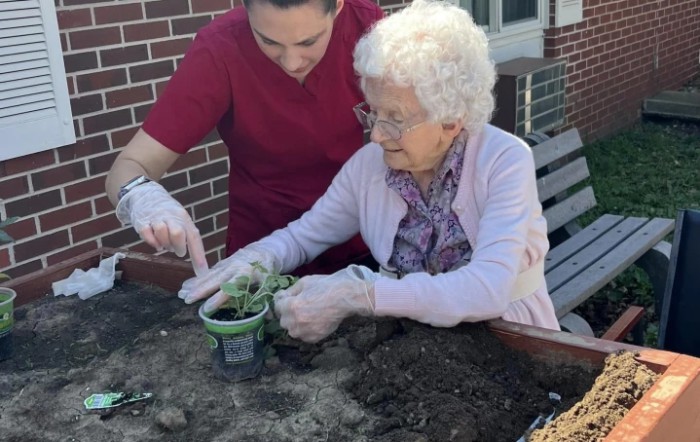
 Garden
 Housekeeping services
 Kitchenette
 Move-in coordination
 Outdoor space
 Restaurant-style dining
 Small library
 Telephone
 Wi-Fi/high-speed internet available
 24-hour call system
 Activities of daily living assistance
 Assistance with bathing
 Assistance with dressing
 Assistance with transfers
 Diabetes diet
 Medication management
 Mental wellness program
 Special dietary restrictions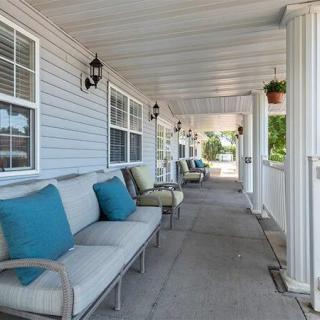



 Seniors and Modern Transportation: Exploring Uber, Lyft, and Other Ride-Hailing Options
 Comprehensive Guide to Qualifying for Home Health Care Services
 Powerful Realities of Elder Abuse and the Most Effective Ways to Report It