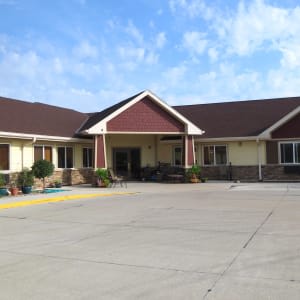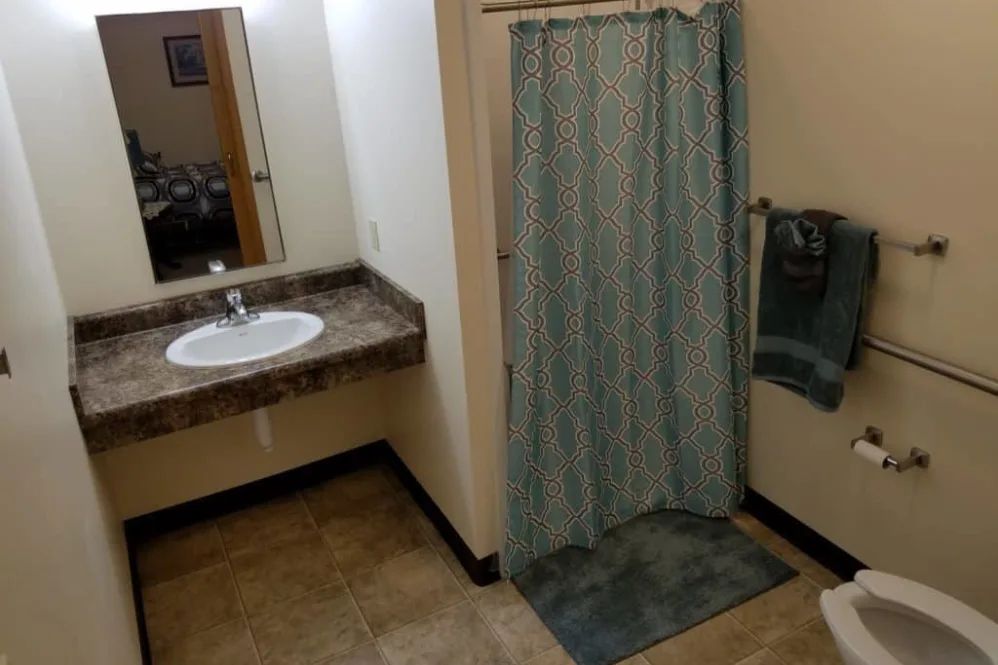
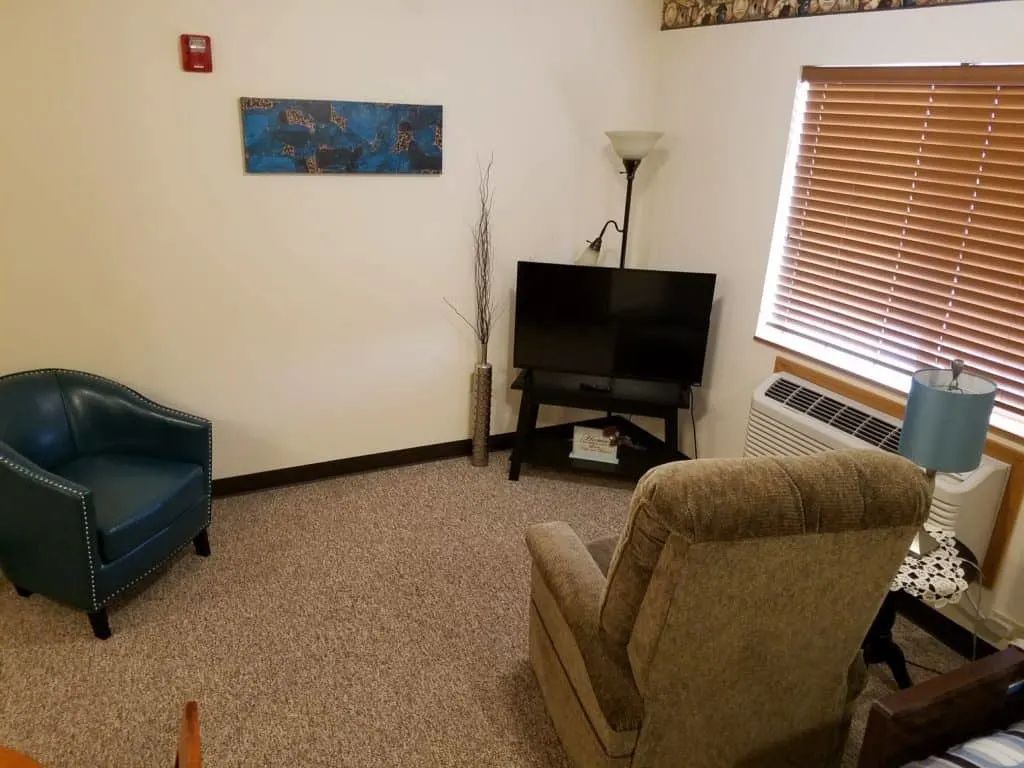

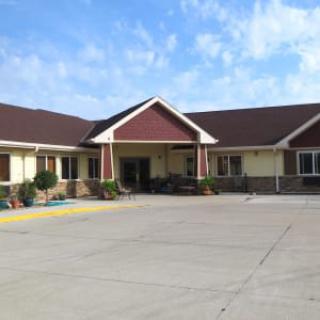

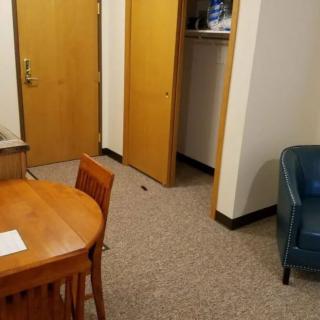
203 11th Street., Manning, IA 51455
For more information about senior living options: (866) 208-4318
Manning Senior Living Costs & Pricing
At Manning Senior Living, the monthly costs reflect a premium for its quality services and amenities. For a studio, residents can expect to pay $4,600, which is significantly higher than the averages in both Shelby County at $2,854 and across Iowa at $3,613. Similarly, the one-bedroom option is priced at $5,300, again exceeding local and state averages - Shelby County's average being $3,563 and Iowa's at just $2,862. While these rates are elevated compared to regional figures, they may well correspond with the enhanced lifestyle and care options that Manning Senior Living offers its residents.
| Floor plans | Manning Senior Living | Shelby County | Iowa |
|---|---|---|---|
| Studio | $4,600 | $2,854 | $3,609 |
| 1 Bedroom | $5,300 | $3,563 | $2,863 |
Memory care communities with a similar price nearby
-
from -$605 / mo
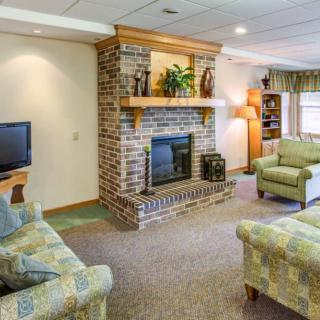
Addington Place Of Carroll
$3,995 to $6,100 / month16.1 miles away -
from -$900 / mo
Garden View Assisted Living
$3,700 to $5,000 / month14.4 miles away
Overall Review of Manning Senior Living
Pros
 The staff goes above and beyond, arranging webcasting so family members can watch remotely.
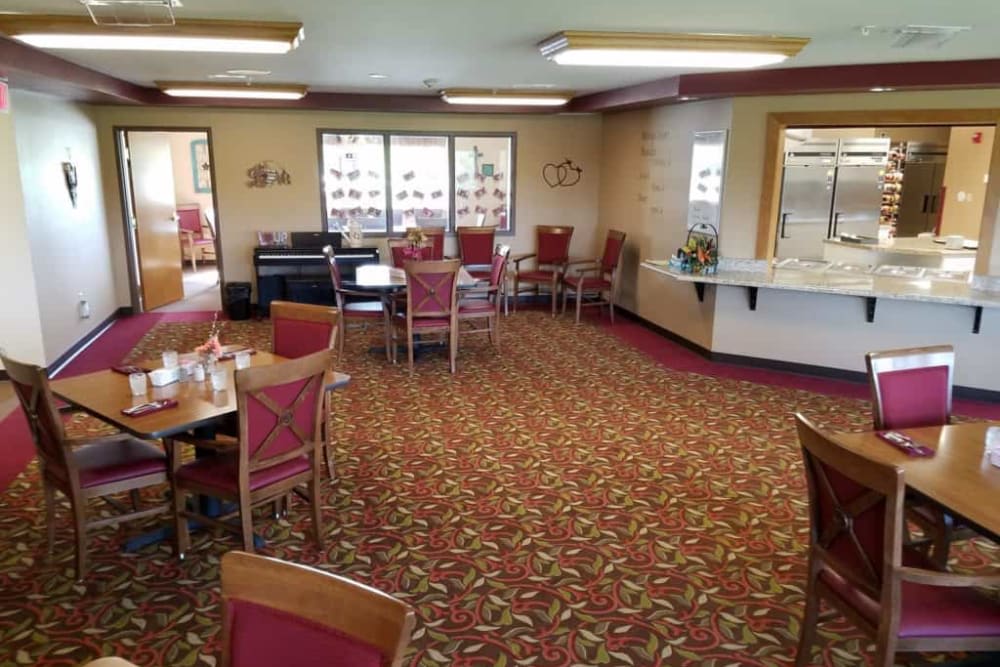
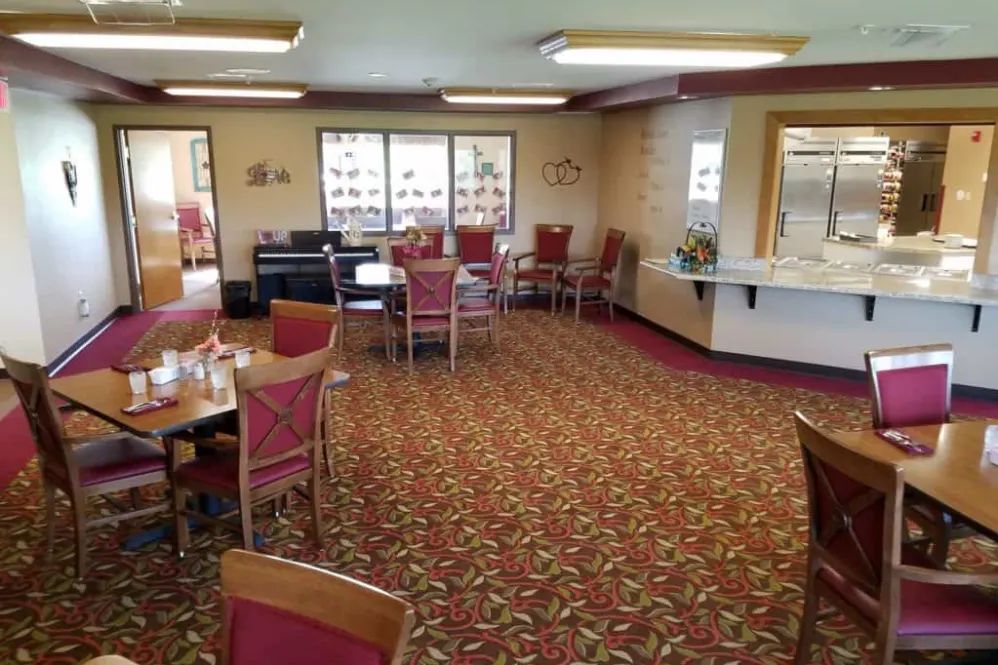
- The meals are great, with a salad bar, and the staff are knowledgeable, friendly, and kind.
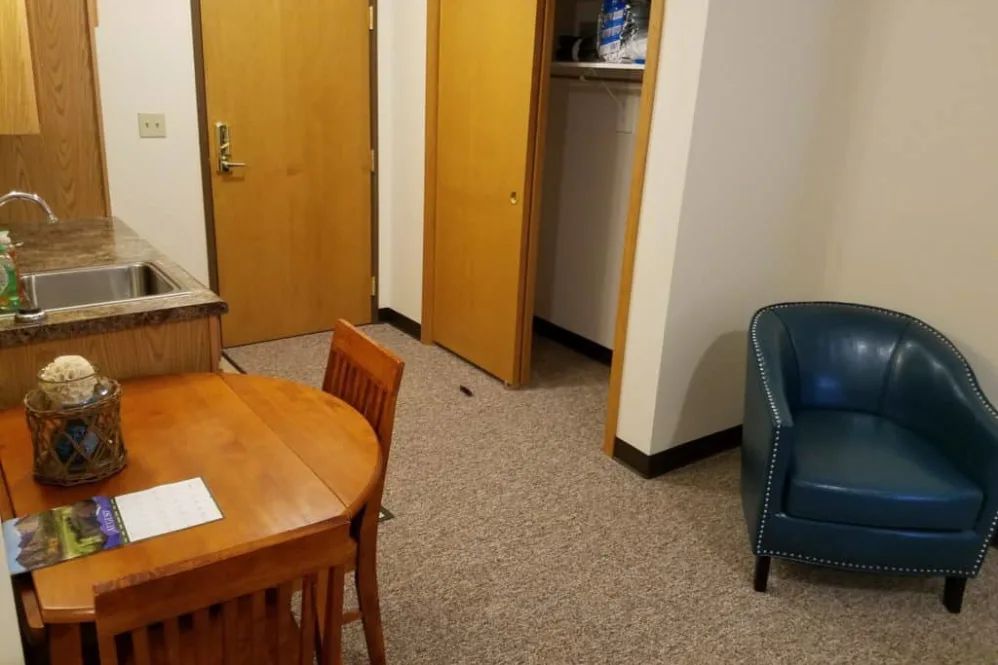
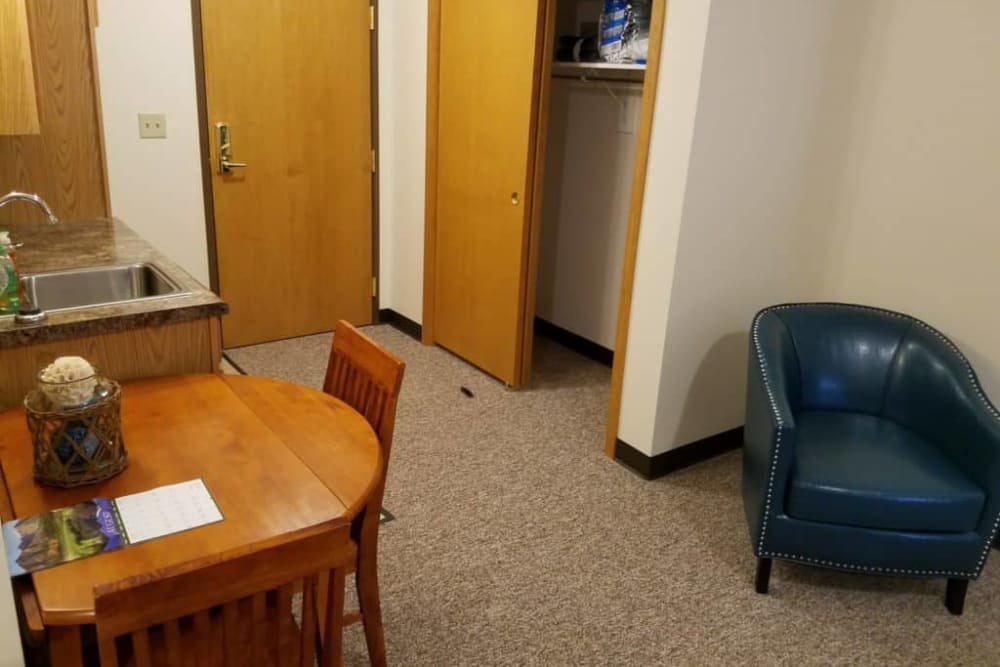
- The facility offers three apartment sizes and is consistently clean.
- There is a wide variety of activities, and the administration is amazing.
- Families appreciate photos of loved ones during outings and receive prompt, clear answers to health questions from the staff.
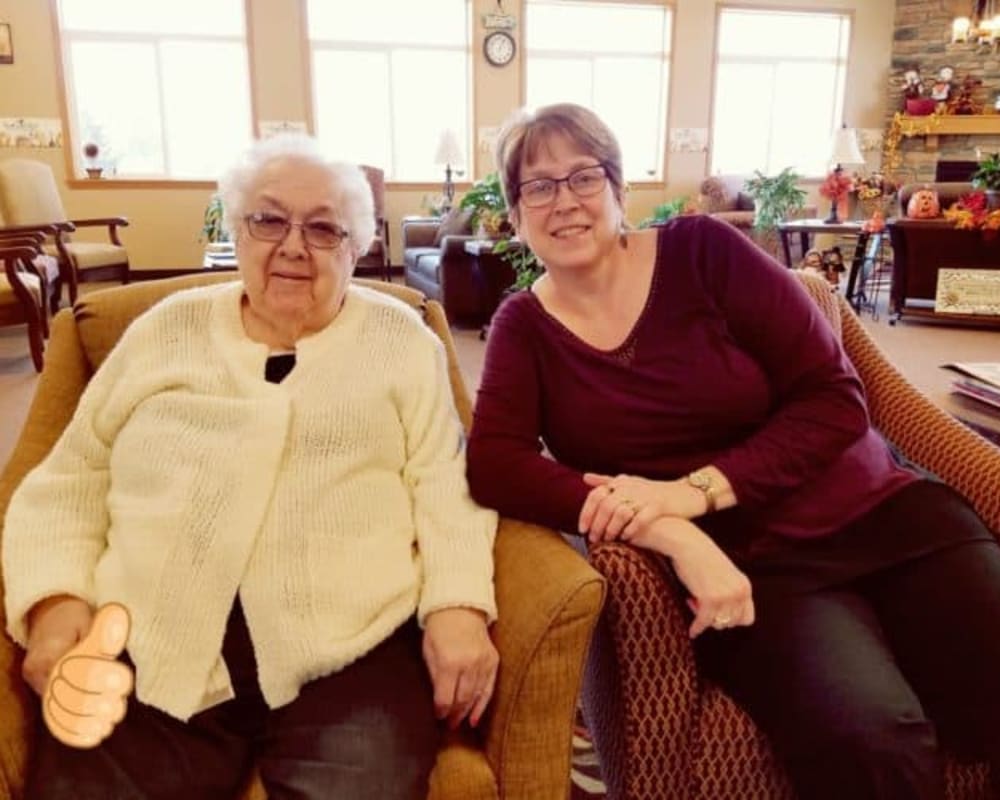
- The director is amazing, and the smaller size fosters close, invested care for residents.
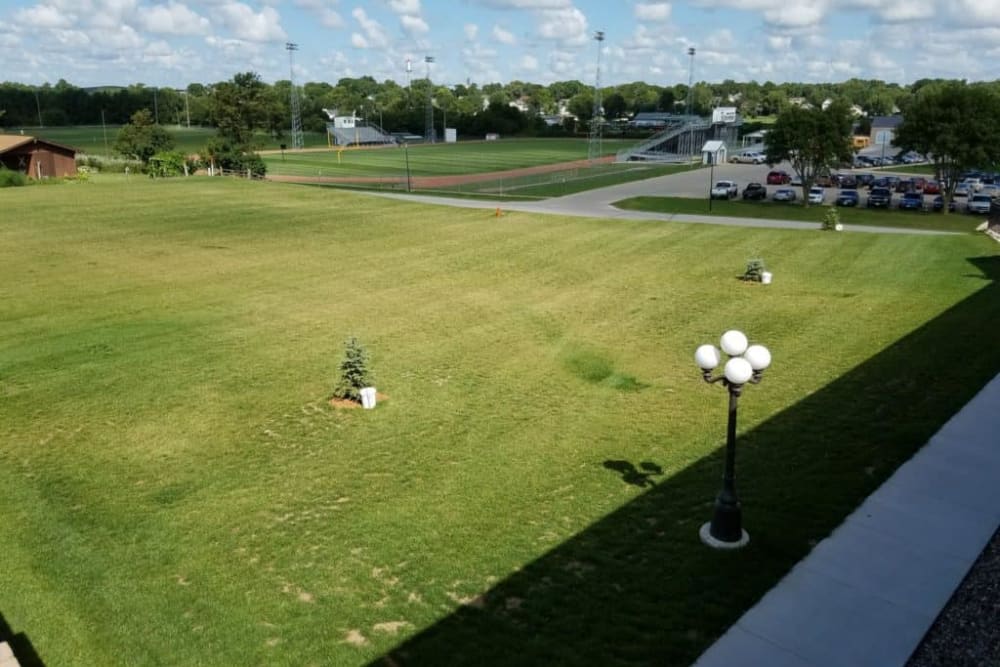
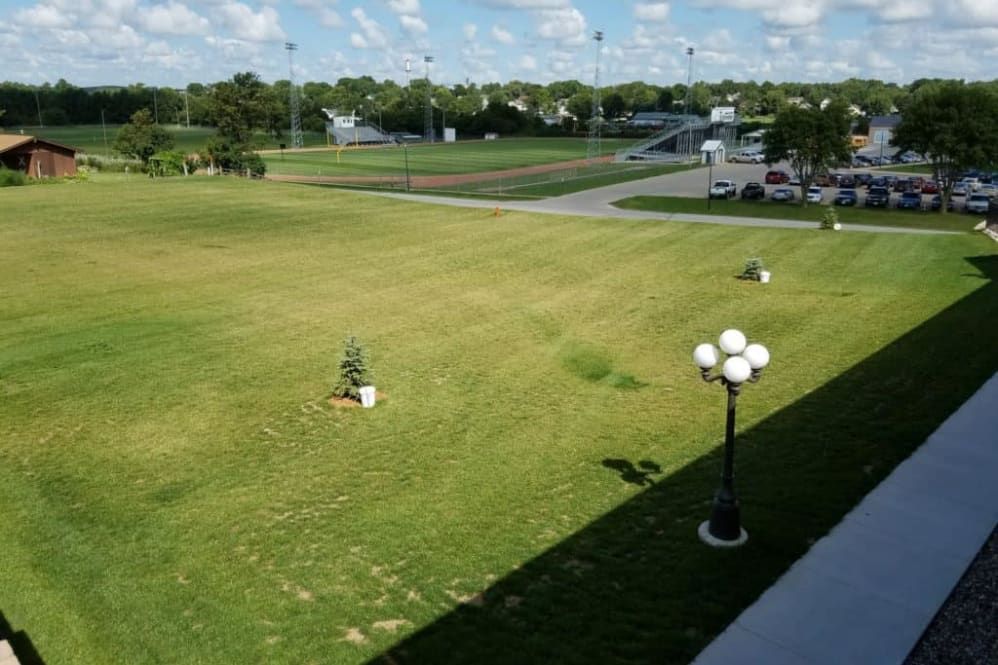
- Char-Mac is a beautiful home for seniors needing assistance, with caring, friendly, and competent staff near a school that keeps residents part of an active community.
- Char-Mac is a great asset to the local community, offering dressing and meals assistance as an alternative to a nursing home.
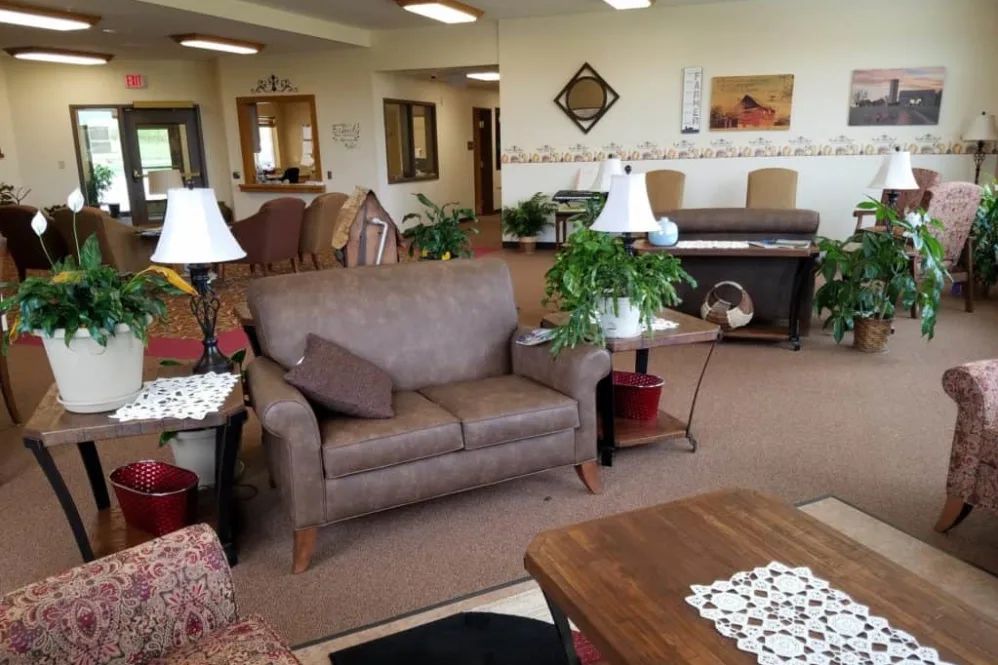
- Manning Senior Living is described as welcoming and trustworthy, leaving families with a positive first impression.
Cons
 They didn’t have a good feeling about the other places they visited.
Review
Manning Senior Living is best suited for seniors who want a intimate, home-like assisted living experience where staff know residents by name, decisions feel collaborative, and family involvement remains a visible and valued part of daily life. The community’s small size, about 30 residents, combined with a highly engaged administration translates into quick, attentive care and a sense that residents aren’t just cases but members of a neighborhood. For couples or spouses seeking to stay near one another in a comfortable setting, and for families prioritizing transparent communication and regular updates, Manning Senior Living delivers the calm, predictable environment that makes transitions easier and days more meaningful.
Those who may want to consider alternatives are clear: if the priority is a broad continuum of care, robust rehabilitation services, or specialized memory care within a larger campus, look for a facility with more extensive on-site medical programming. For residents whose needs might outgrow dressing and meals support, or who crave a wider array of on-site amenities and therapies, a bigger assisted living or a skilled-nursing setting may be a better fit. Char-Mac, described as a nearby option within the community, serves as an alternative for seniors who aren’t quite ready for a traditional retirement home but still require regular assistance; families balancing deeper medical needs or a wider social ecosystem should compare that path with larger operators in the region.
The strongest pros here are tangible and well-aligned with expectations for this level of care. Exceptional staff are consistently described as knowledgeable, friendly, and genuinely kind, with administration and leadership earning high marks for responsiveness and involvement. The ability to see photographs of residents at outings or events, plus the ongoing feedback loops for health concerns, demonstrates a culture of openness and trust that families value. The home-style meals, including a homemade approach and salad bar, add to the sense of normalcy and comfort, while flexible apartment options, ranging in size, make it easier to tailor residency to a couple’s needs or a single resident’s preferences. When these strengths meet the reality of a small community, they offset the potential downside of a more limited array of services.
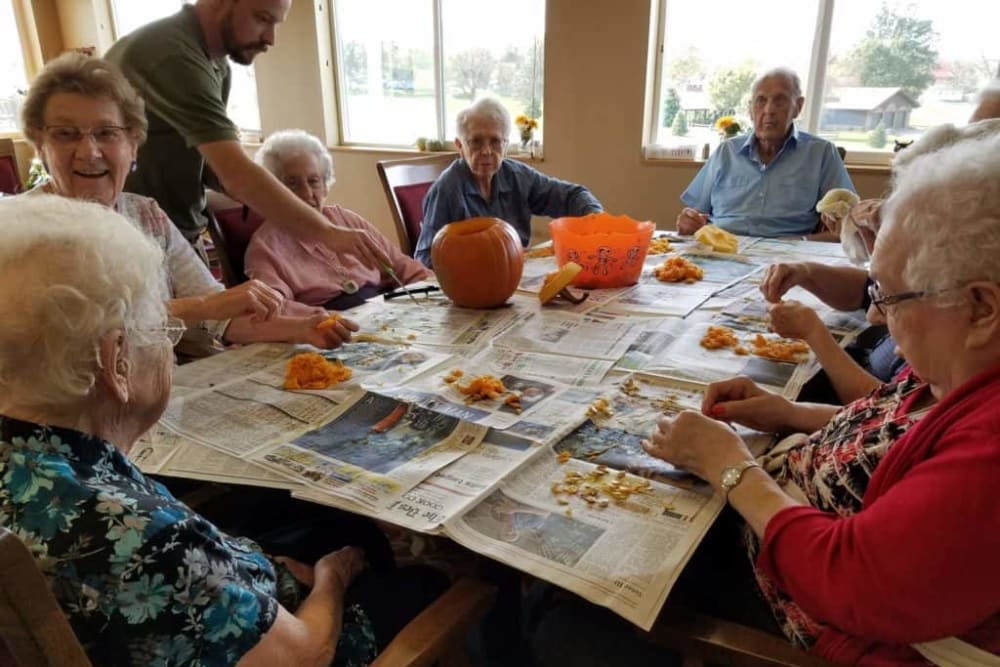
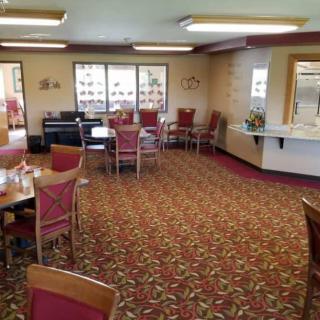
Lifestyle and programming are another standout strength. The calendar is rich with social and cognitive-keeping activities: bingo, crafts, movie days, ice cream socials, cards, and puzzles, all supported by a library, exercise space, and arranged outings. This mix keeps residents engaged without feeling overwhelmed, which is exactly what families seek when weighing an assisted living move. The visible emphasis on community life, photos from outings, regular events, and routines that invite participation, helps mitigate the isolation that can accompany aging in place. In a setting this intimate, the programming feels personal and attainable, not distant or generic.
Staffing culture and leadership underpin the overall experience. The director is repeatedly described as amazing, with care teams that appear invested in each resident and willing to go the extra mile, evidenced by thoughtful gestures like facilitating a webcast so a family could watch an event live from out of town. The small scale means caregivers are able to respond promptly to concerns, and families can expect a level of accessibility and accountability that’s often hard to secure in larger facilities. This is not a mass-production operation; it’s a crafted environment where attention to detail and a sense of belonging are embedded in daily routines.
Bottom line: Manning Senior Living offers a compelling choice for families prioritizing warmth, transparency, and hands-on care in a compact, well-run setting. It is an especially strong fit for residents who thrive in a neighborly, engaged community and for couples who want to remain together in a place that feels like home. Those needing a broader medical footprint, complex therapies, or a larger social ecosystem should evaluate alternatives with greater scale or more specialized services. For most families, a visit that probes care routines, meal service, and the nature of family communications will confirm that this community delivers both peace of mind and a pleasing standard of daily life.
 42 resident community capacity
 1-bedroom apartments
 Assisted Living
 Memory Care
 Cats allowed
 Dogs allowed
 Activities on-site
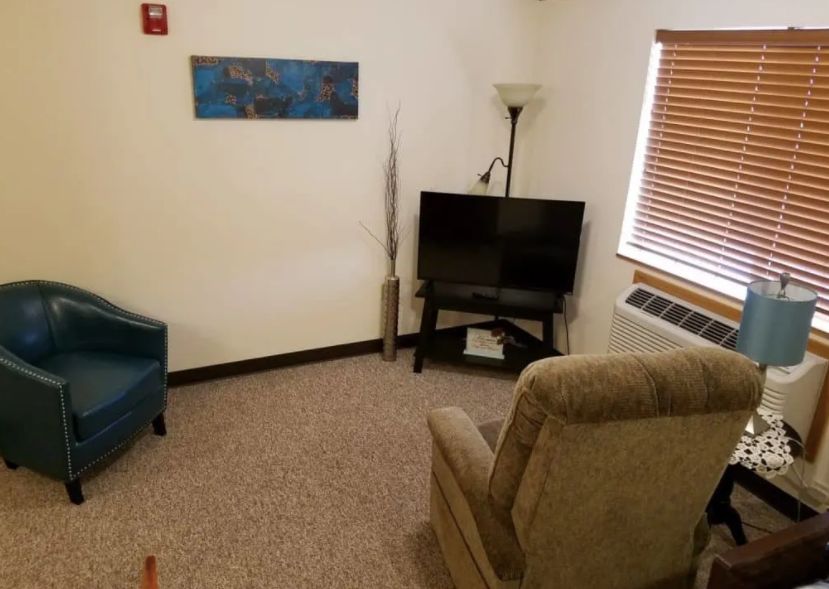
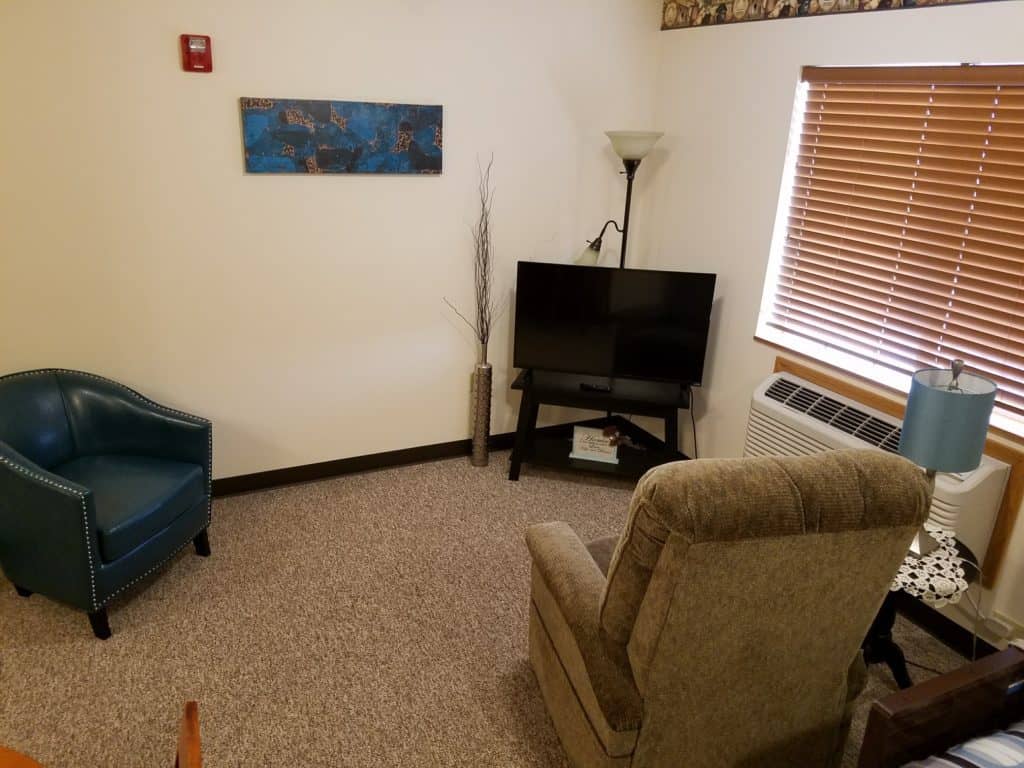
 Air-conditioning
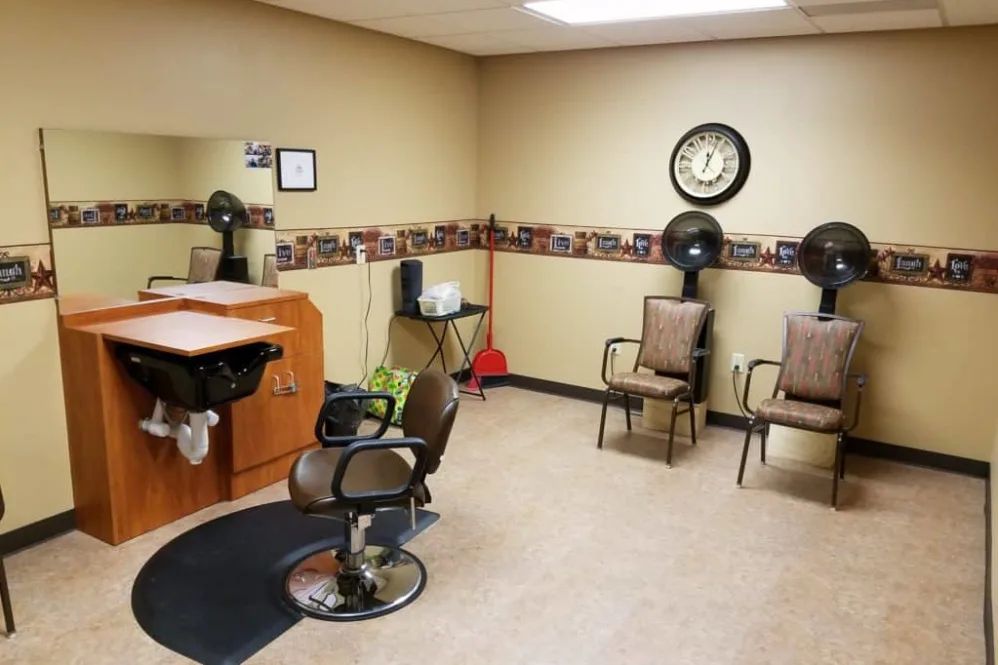
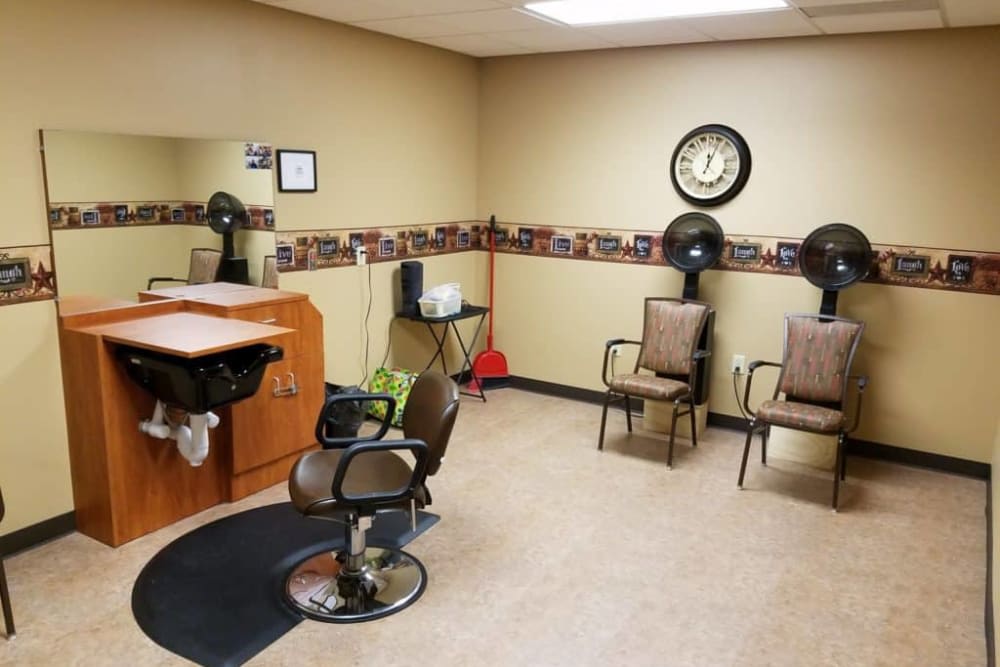
 Beautician on-site
 Cable or satellite TV
 Devotional services off-site
 Dining room
 Fully furnished
 Garden
 Handicap accessible
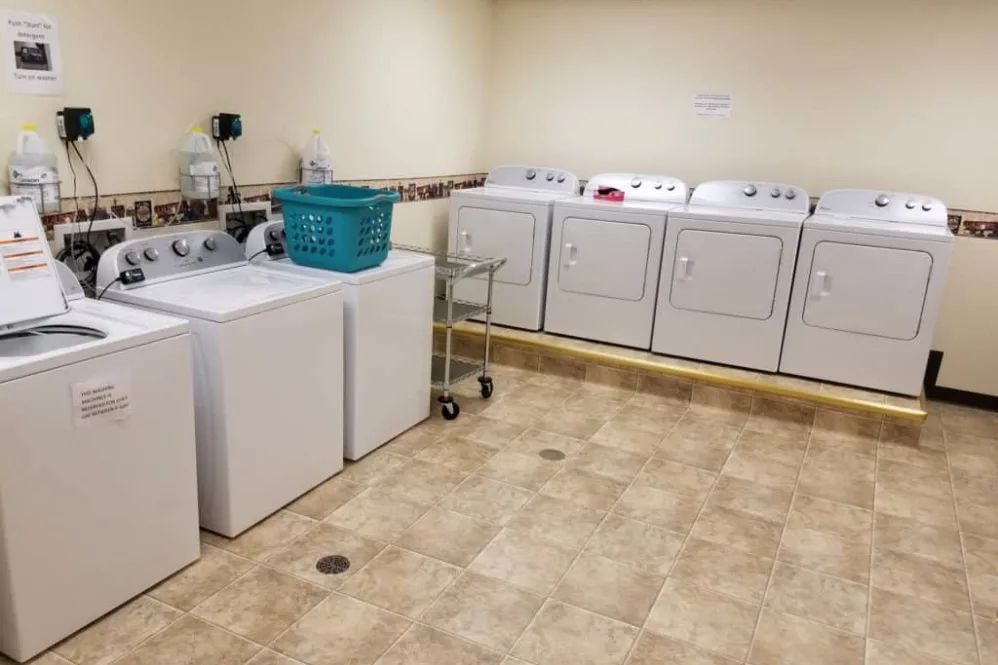
 Housekeeping services
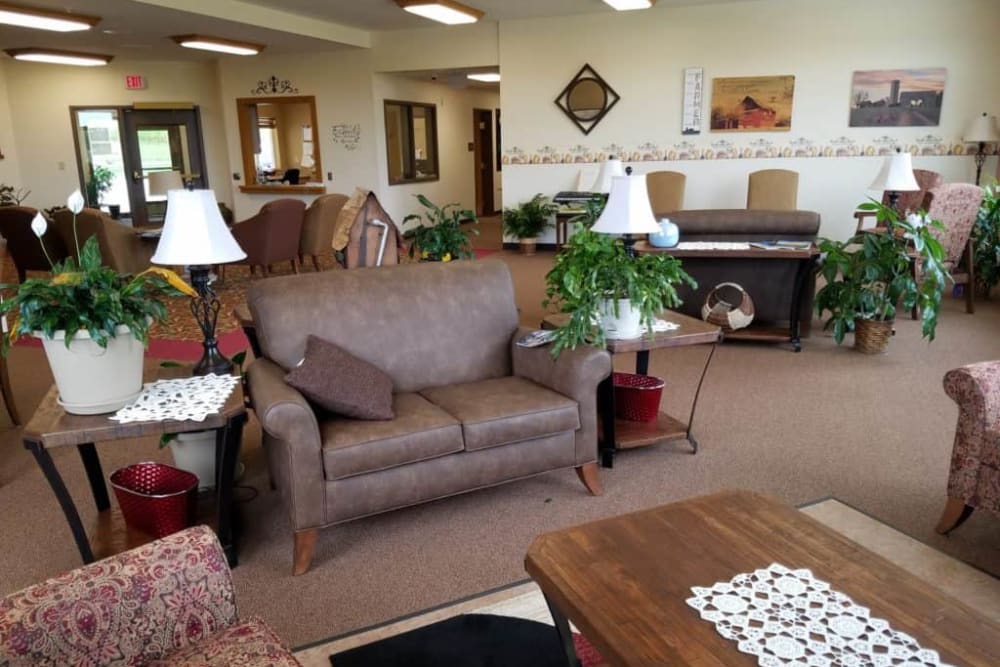
 Indoor common areas
 Kitchenette
 Move-in coordination
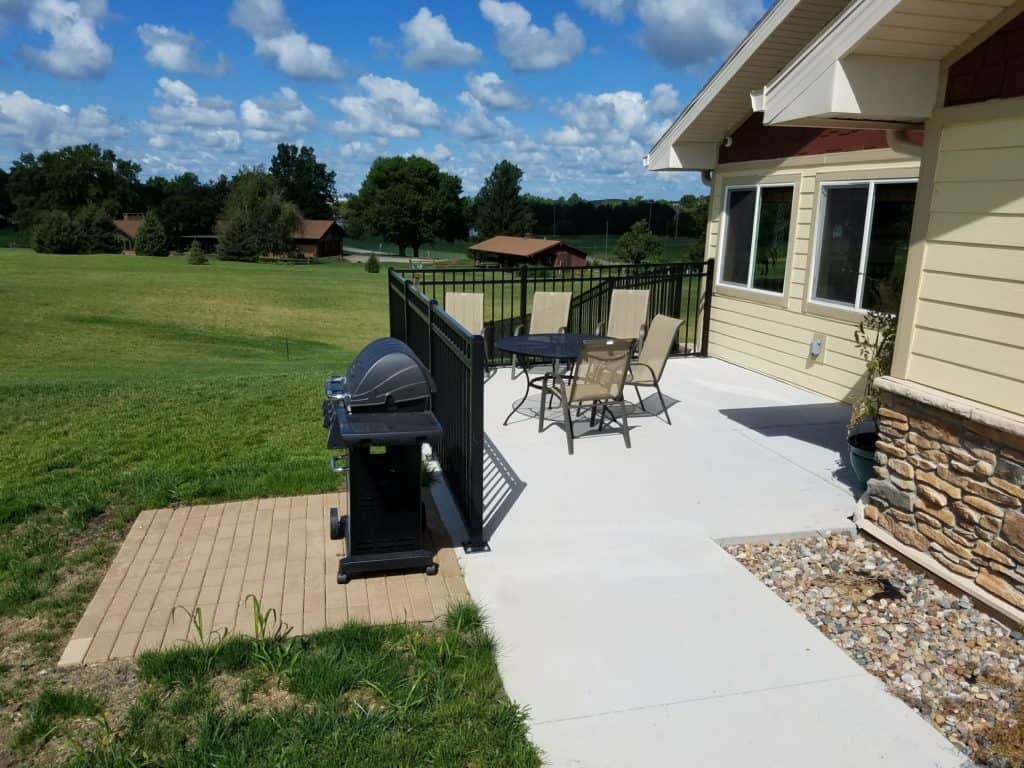
 Outdoor common areas
 Pet friendly
 Respite or short term stays offered
 Restaurant-style dining
 Small library
 Spa
Spa Telephone
 Wi-Fi/high-speed internet available
 24-hour call system
 Ambulatory care
 Assistance with bathing
 Assistance with dressing
 Assistance with transfers
 Diabetes diet
 Diabetic care
 Medication management
 Mental wellness program
 Special dietary restrictions
 Transportation arrangement (medical)
 Transportation to doctors appointments
 BBQs or picnics
 Birthday parties
 Forever fit
 Happy hour
 Live dance or theater performances
 Live musical performances
 Wii bowling





 When to Transition from Assisted Living to Memory Care: Key Indicators, Steps, and Finding the Right Community
 Understanding the Distinctions: Assisted Living and Memory Care Explained
 How to Communicate with a Loved One Living with Dementia: 10 Supportive Strategies