For more information about senior living options: (866) 208-4318
3.6 from 70 reviews
5 stars
34
4 stars
15
3 stars
1
2 stars
2
1 stars
18
Overall Review of Manorcare Health Services - Cedar Rapids
differentiator14 reviews mention this
Therapy and rehab support feel strong
Rehabilitation therapy is a consistent highlight, with residents describing help getting stronger and programs that keep patients moving.
Many residents and families talk about PT/OT being a major part of the experience, including being challenged during sessions and making progress toward goals. Several reviews specifically mention organized therapy routines and that the therapy team is patient and good at explaining what to do. Even when reviews are mixed, residents often still describe therapy as helpful for recovery or regaining independence.
common22 reviews mention this
Staff responsiveness varies by account
Residents frequently describe staff as helpful and caring, but a smaller number of reviews report professionalism and responsiveness concerns.
A large share of reviews emphasize staff being welcoming, attentive, and willing to help with day-to-day needs and medical questions. Multiple reviews highlight nursing and aides being kind, and families mention good communication and feeling supported during care planning. At the same time, a few reviews describe negative interactions with staff and delays in call-light response or urgency when emergencies were involved.
common10 reviews mention this
Meals are often seen as good
Food quality comes up often, with several residents saying meals are good and flexible to preferences.
Many residents mention that the meals are good, with some describing good serving quality and not feeling hungry. A few reviews also describe choosing options like soup or sandwich when an entrée isn’t preferred, and they connect meals with overall comfort during recovery. There are also some negative remarks about meals or the wait time for service in specific reviews.
caveat4 reviews mention this
Rooms and comfort can be limiting
Some residents report comfort and space limitations with shared or smaller rooms.
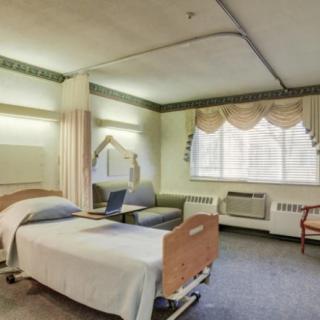
A few reviews mention room-related drawbacks, including shared rooms that feel small and comfort issues like bed quality. One review also calls out missed care needs during a stay, which shifts the focus from comfort to safety and oversight. Overall, room comfort appears uneven across accounts.
How we summarize
Counts show how many written reviews mention each theme; a review can touch several themes, and only frequently mentioned themes are displayed.
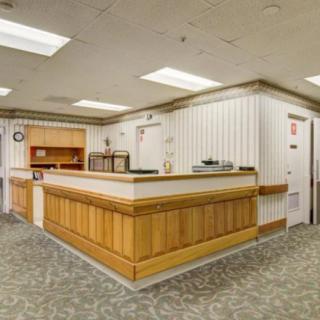
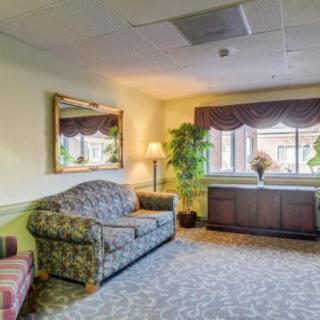
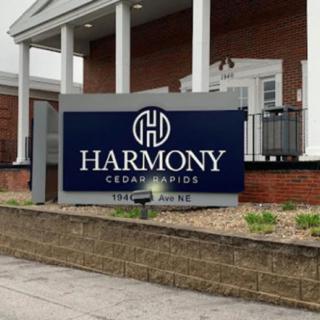
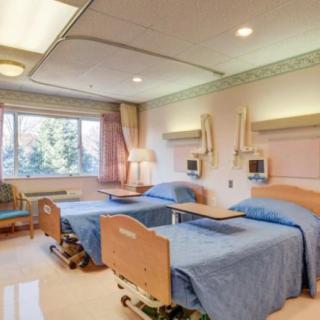
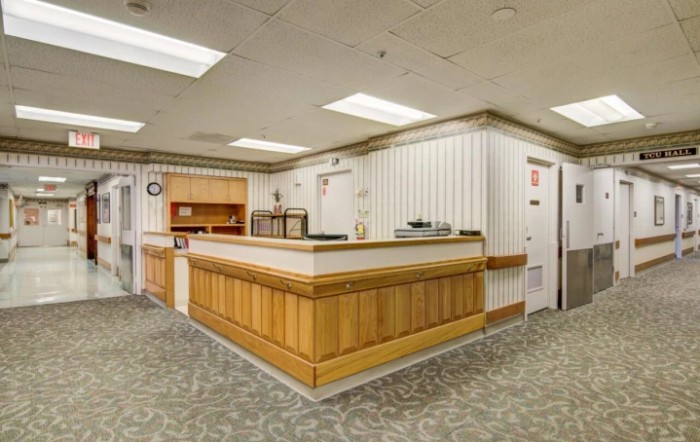
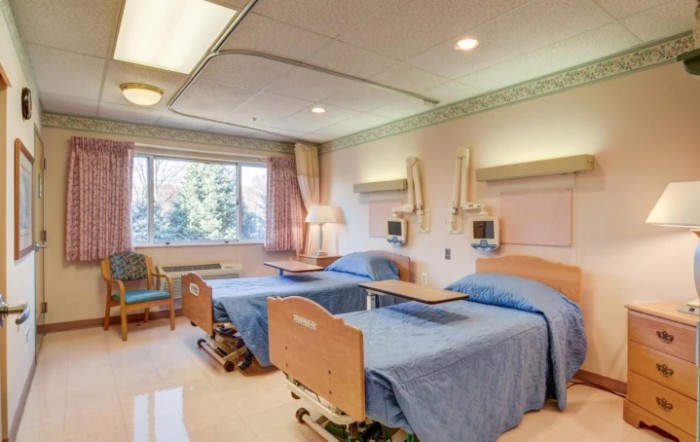
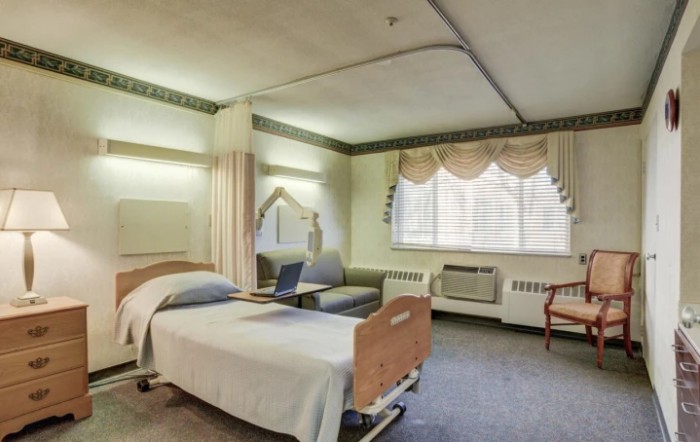
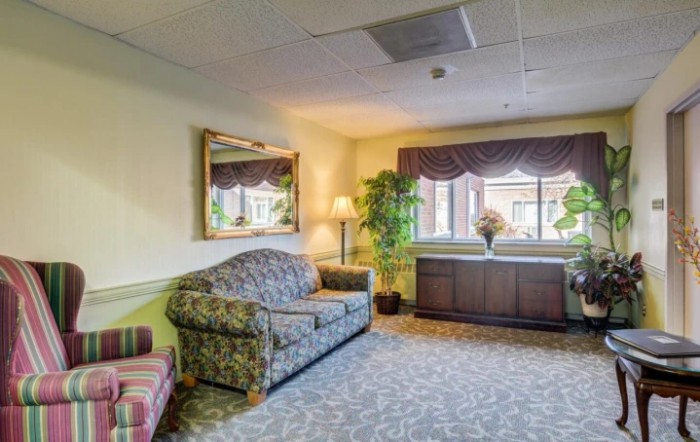
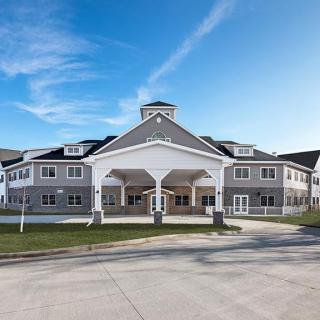
Manorcare Health Services - Cedar Rapids on seniors.fyi includes 5 photos including images showing interior, windows, office, wood paneling, healthcare, bedroom, living room, plant, and more.
Nearby Communities
Cottage Grove Place, a CCRC
Cedar Rapids, IA
4.7 from 88 reviews
$2,500 to $3,995 / month
Friendly staff, engaging activities, and on-site care in a welcoming community.
Cottage Grove Place
Cedar Rapids, IA
4.7 from 89 reviews
Commonwealth Apartments
Ceder Rapids, IA
4 from 32 reviews
Excellent access to local amenities and healthcare.
SYNERGY Home Care-Cedar Rapids
Cedar Rapids, IA
4.2 from 16 reviews
Caring, respectful staff with reliable caregiver matching.
Living Center West
Cedar Rapids, IA
3.5 from 2 reviews
Clean, well-maintained facility with professional staff.
Higley Mansion Care Center
Cedar Rapids, IA
3.9 from 27 reviews
$3,400 / month
Warm, home-like setting with attentive staff and engaging activities.
Irving Point
Cedar Rapids, IA
3.9 from 14 reviews
$610 / month
Clean, spacious independent-living apartments with affordable pricing and on-site amenities.
Grand Living at Indian Creek
Cedar Rapids, IA
4.8 from 56 reviews
$3,125 to $5,780 / month
Hotel-like luxury with strong sales support and extensive amenities, plus flexible living options.
Boyson Heights Senior Living
Cedar Rapids, IA
4.5 from 46 reviews
$2,500 to $5,500 / month
Friendly, attentive staff in a bright, well-maintained setting with active programs and strong family communication.
Medicare covers in-home health care services, which are medical and provided by licensed professionals under a physician's supervision, whereas non-medical personal assistance is generally not covered unless part of a broader skilled care plan. Eligibility for benefits depends on being homebound and needing intermittent skilled services from a Medicare-certified agency, with specific coverage limitations and additional resources available for navigating options.
In-home care is increasingly sought after by older adults for maintaining independence, with average private home care rates in 2025 varying by state and service type, reflecting geographical and local labor market influences. As demand rises, families are considering funding options like Medicaid waivers and long-term care insurance to manage costs effectively while ensuring quality care.
Home health care has become essential for supporting independence among the aging population, offering diverse services such as skilled nursing and rehabilitation in familiar environments, while also incorporating technology for personalized care. Despite its benefits, including improved recovery rates and emotional well-being, challenges like safety, staff availability, and insurance navigation must be managed for effective implementation.
Get PricingAsk A QuestionSchedule A TourContact Senior Advisor
By clicking submit, you agree to our Partner's Terms of Use. You
also consent to receive calls and texts, which may be autodialed, from our Partner. Your consent is not a condition to
using our Partner's service. Please visit our Partner's Privacy Policy for information about their privacy practices.

 105 resident community capacity
 Skilled Nursing Facility
 Air-conditioning
 Beauty salon
 Cable or satellite TV
 Computer center
 Dining room
 Fitness room
 Fully furnished
 Gaming room
 Garden
 Housekeeping services
 Kitchenette
 Move-in coordination
 Outdoor space
 Private bathrooms
 Restaurant-style dining
 Small library
 Telephone
 Wellness center
 Wi-Fi/high-speed internet available
 Eastern Iowa (8 miles away)
 Community operated transportation
 12-16 hour nursing
 24-hour call system
 Activities of daily living assistance
 Assistance with bathing
 Assistance with dressing
 Assistance with transfers
 Diabetes diet
 Medication management
 Mental wellness program
 Special dietary restrictions
 Concierge services
 Planned day trips
 Friendly staff, engaging activities, and on-site care in a welcoming community.


 Navigating Medicare Coverage for In-Home Care Services
 In-Home Care Costs in 2025: A Detailed State-by-State Exploration
 Understanding Home Health Care: A Comprehensive Guide