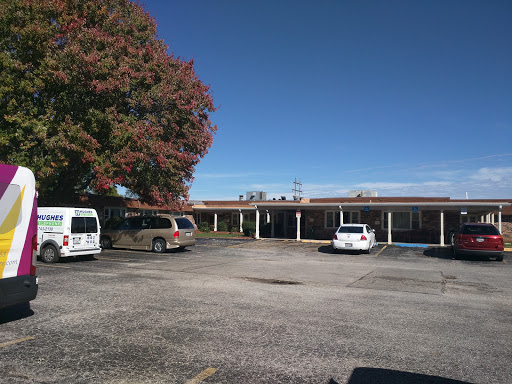

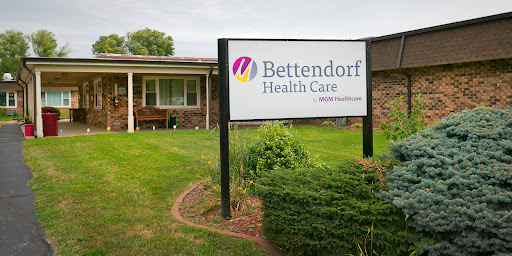
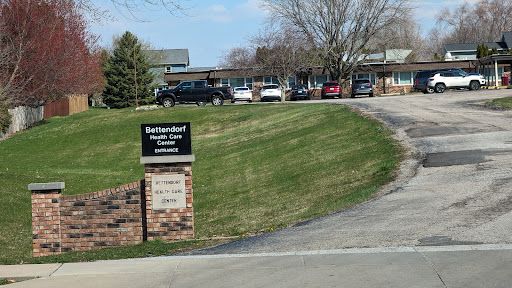

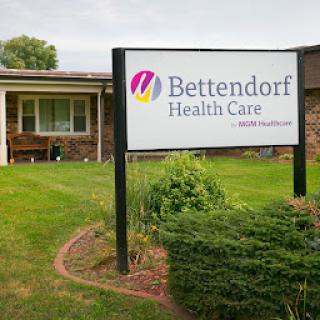
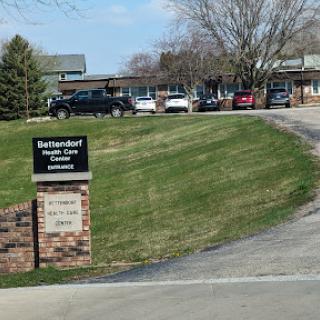
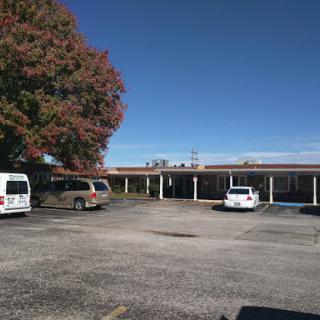
2730 Crow Creek Road, Bettendorf, IA 52722
For more information about senior living options: (866) 208-4318
Bettendorf Health Care Center Costs & Pricing
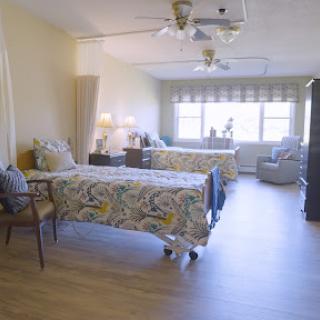
At the Bettendorf Health Care Center, the monthly costs for care reflect both the quality of services provided and the regional healthcare landscape. For a semi-private room, residents can expect to pay $5,079, which is notably higher than the average cost in Scott County at $4,833 and significantly exceeds the statewide average of $3,885. Those seeking more privacy will find that a private room at Bettendorf comes with a price tag of $6,094, again surpassing local and state averages - Scott County's private room cost stands at $4,857 while Iowa's overall is lower still at $4,670. These figures suggest that Bettendorf may be positioned as a premium option within its market segment, potentially offering enhanced amenities or specialized care tailored to individual needs.
| Floor plans | Bettendorf Health Care Center | Scott County | Iowa |
|---|---|---|---|
| Semi-Private | $5,079 | $4,833 | $3,885 |
| Private | $6,094 | $4,857 | $4,670 |
Skilled Nursing Facilities with a similar price nearby
-
About the same
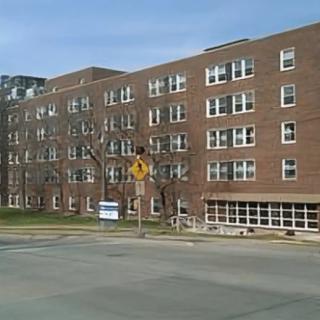
St Anthony's Nursing & Rehab Center
$5,000 / month5.6 miles away
Overall Review of Bettendorf Health Care Center
Pros
 The staff are friendly, professional, and go above and beyond.
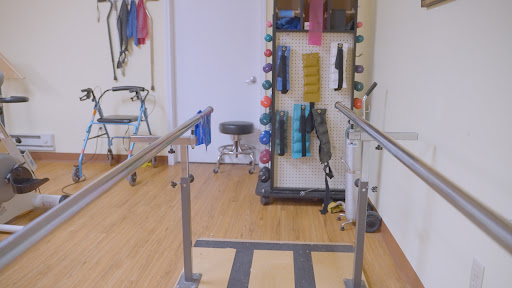
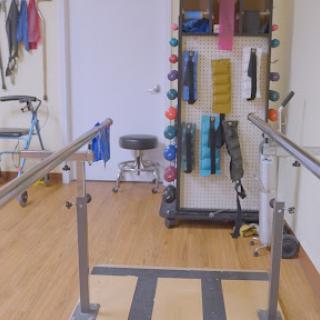
- Therapy services, including one-on-one physical therapy, help residents improve mobility and memory.
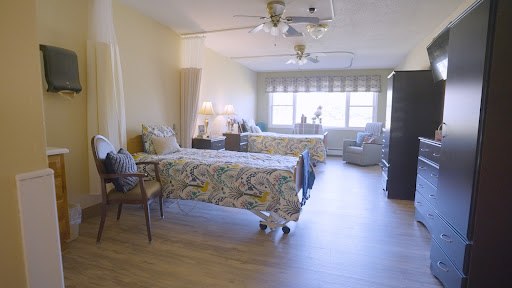
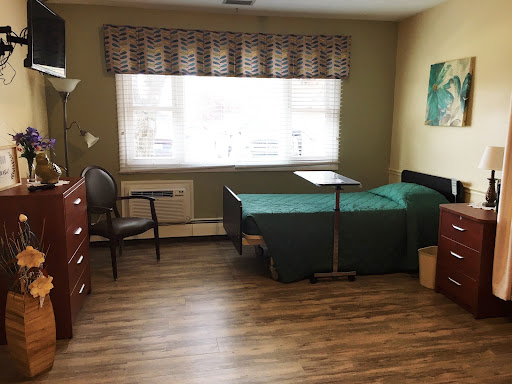
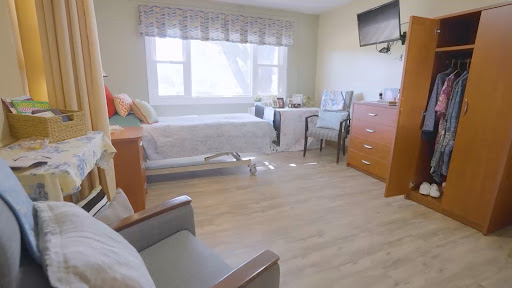
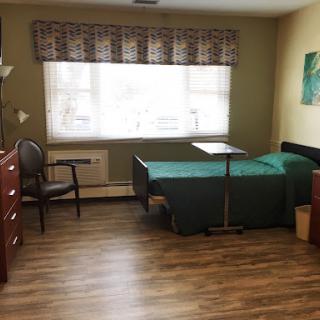
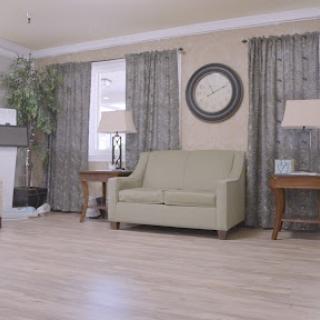
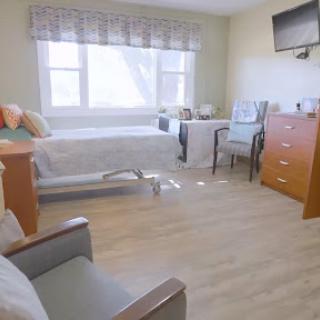
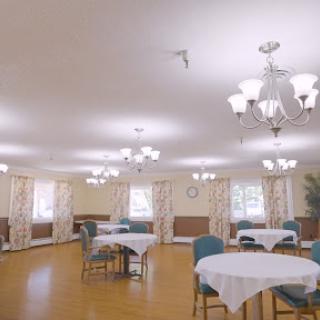
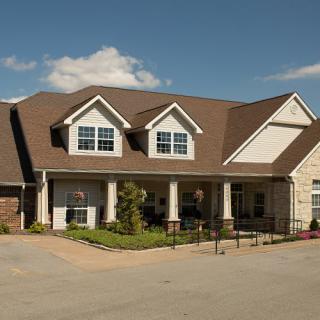
- The facility has a homelike feel and is clean and well organized.
- The CNAs and nurses are compassionate, creating a community feel and high-quality care.
- All meals are customizable to dietary preferences and requirements.
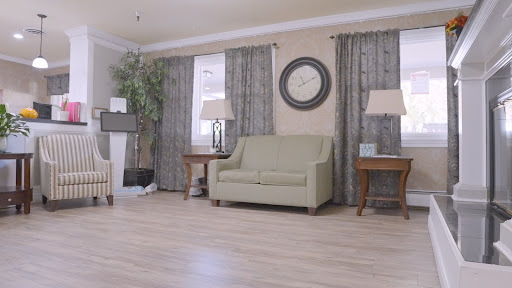
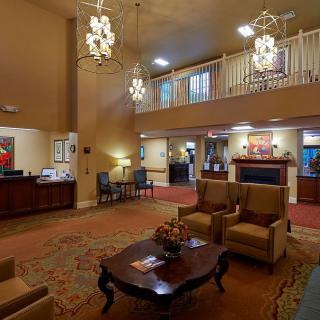
- The reception area is nice and inviting, with fireplaces to relax by.
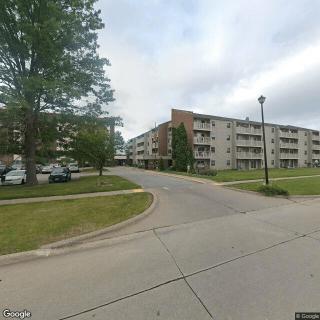
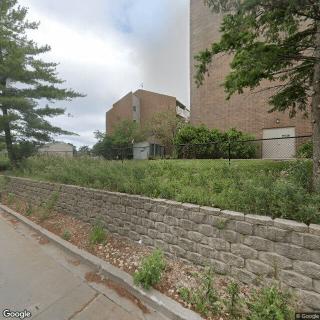
- The center is located in a quiet residential neighborhood and near local medical facilities.
Cons
 The facility is a dump with the worst staff ever; most nurses are rude and lazy.
- The floors are always dirty and the place is unsanitary.
- The food is absolutely horrible, and residents throw away meals.
- Personal items and money are routinely stolen or misplaced from residents’ rooms.
- The receptionist is not welcoming or polite and does not seem to enjoy her job.
- The rooms are dark and depressing, and the facility is poorly cleaned.
- The staff are overworked, underpaid, and often fail to provide timely help or care.
- The facility is not recommended by reviewers; some would not even rate it one star.
- Laundry is poorly sorted and clothes frequently end up in the wrong closets.
- Roaches in rooms and persistent unpleasant odors are reported.
Review
Bettendorf Health Care Center is best suited for families seeking a small, neighborhood nursing home where personal attention and rehabilitation-focused care can shine, even when the environment isn’t flawless. It works for residents who benefit from one-on-one therapy, in-room rehabilitation sessions, and a generally homelike atmosphere that fosters friendly interactions with staff. The facility’s location near medical offices and hospitals outside the main city corridor adds practical value for families juggling appointments and coordinated care. This is not the choice for those who require pristine cleanliness, ironclad consistency from staff, or a modern, hotel-like setting.
On the plus side, a clear strength is the rehabilitation program: several residents reported meaningful gains through one-on-one physical therapy delivered in their rooms, with occupational and speech therapy contributing to tangible improvements in daily functioning and memory. The caregiving staff, when present and engaged, are praised for warmth, attentiveness, and going the extra mile to support residents and families. The dining experience can also be a bright spot, with meals that are adjustable to dietary needs and preferences, and activity options that give residents chances to socialize and stay engaged in a small, neighborly environment.
However, the flip side reveals persistent and troubling weaknesses that cannot be ignored. A number of reviews describe dirty rooms, odors, and inconsistent cleaning, with roaches reported in some cases and overall sanitation repeatedly called into question. Instances of items going missing or being misplaced, hearing aids, billfolds, or other belongings, compound a sense of insecurity for families. Communication gaps and delays in addressing problems also surface: promises from administration to fix issues sometimes collide with ongoing housekeeping and audit lapses, creating a pattern of frustration for families seeking reliability and accountability.
These competing forces, genuine caregiver dedication and robust rehab potential on one hand, and cleanliness, security, and consistency gaps on the other, shape the overall value proposition. When care teams are stable and responsive, residents can experience real progress and a warm community feel that makes daily living tolerable and even uplifting. Yet the same facility can quickly disappoint if housekeeping lapses, odor concerns, or missing personal items arise, undermining trust and comfort. In practice, the best outcomes tend to occur when families closely monitor care plans, insist on prompt follow-through, and plan contingencies for environmental shortcomings.
Anyone evaluating Bettendorf Health Care Center should explicitly consider whether cleanliness, predictable staffing, and guaranteed access to consistent maintenance are non-negotiable. For families where those issues are deal-breakers, alternatives in the Quad-Cities area with stronger sanitation records and steadier personnel may be the wiser choice, even if they come with trade-offs in rehab intensity or homelike ambiance. For those prioritizing genuine rehab progress and personal warmth, with a readiness to navigate occasional operational hiccups, Bettendorf can deliver meaningful gains in function and mood, provided vigilance remains part of the ongoing care plan.
In practical terms, prospective families should arrange a tour at a time when staff is visibly present and patients are actively engaged, ask to see recent inspection or survey results, and request to meet with the therapy team to gauge in-room availability and customization of therapy. Request a clear explanation of housekeeping schedules, laundry processes, and how lost items are tracked and recovered. If the resident’s needs align with a strong rehab focus and a tightly knit, friendly community, Bettendorf Health Care Center is worth considering, with a firm plan to monitor cleanliness, inventory, and staffing stability from day one.
 86 resident community capacity
 Skilled Nursing Facility
 Air-conditioning
 Beauty salon
 Cable or satellite TV
 Computer center
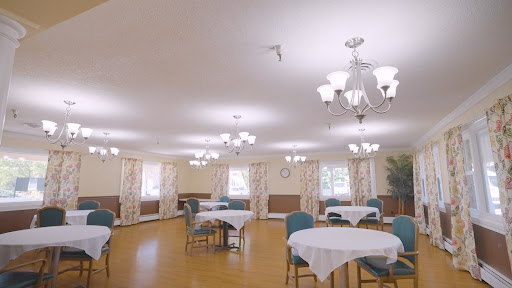
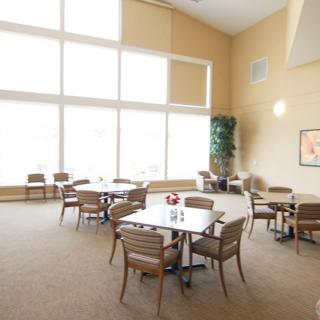
 Dining room
 Fitness room
 Fully furnished
 Gaming room
 Garden
 Housekeeping services
 Kitchenette
 Move-in coordination
 Outdoor space
 Private bathrooms
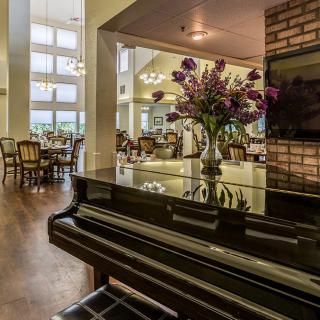
 Restaurant-style dining
 Small library
 Telephone
 Wellness center
 Wi-Fi/high-speed internet available
 Quad City (8 miles away)
 Community operated transportation
 12-16 hour nursing
 24-hour call system
 Activities of daily living assistance
 Assistance with bathing
 Assistance with dressing
 Assistance with transfers
 Diabetes diet
 Medication management
 Mental wellness program
 Special dietary restrictions
 Concierge services
 Planned day trips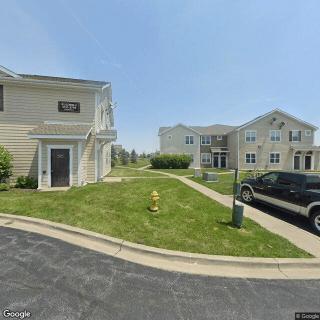

 Fecal Incontinence in Older Adults: A Comprehensive Guide
 Recognizing the Journey: Understanding and Navigating Anticipatory Grief
 Encouraging Participation in Adult Day Care: A Guide to Supporting a Hesitant Parent