714 Division, Audubon, IA 50025
To contact a resident: (712) 563-2651
For more information about senior living options: (866) 208-4318
Overall Review of Friendship Home Association
Pros
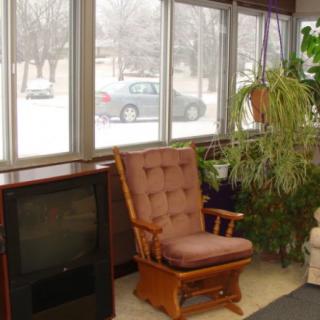
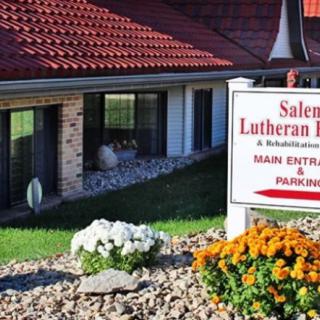
 The facility is always clean and tidy.
- The staff are welcoming and courteous to residents.
- The residents seem to really enjoy being there.
- The Friendship Home offers many avenues for fellowship, including bingo on Tuesdays, Thursdays, and Saturdays.
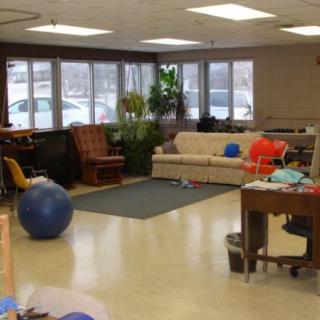
- Group meals, daily activities, and the shared wing with The Children's Nest daycare keep residents engaged and active.
- Overall, it is a great place that provides care and love.
- The environment is Christian-focused, which is appreciated by families seeking that atmosphere.
- The residents are generally busy with a variety of activities.
Cons
 The staff were described as harassing, receiving a 0/10 rating.
- The facility was labeled as an “old folks home.”
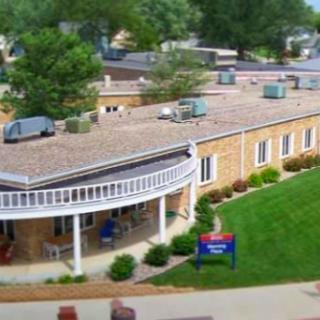
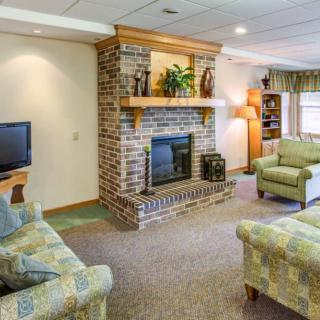
- The layout and rooms were considered solid but unspectacular.
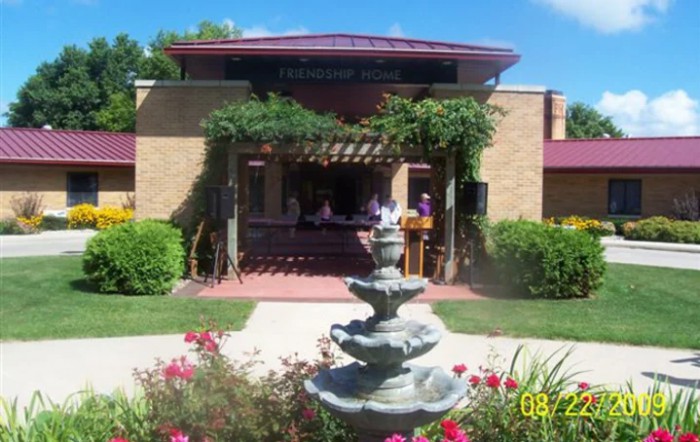
- The site was described as unspectacular, though well kept.
- It was noted that many residents were often just sitting in chairs staring off.
Review
This community is best suited for seniors who want an active, faith-centered living environment where daily routines are anchored by social engagement and intergenerational interaction. The atmosphere is clearly oriented toward care through community, with residents who stay busy and connected. A notable strength is the combination of structured activities, bingo several times a week, group meals, and a full slate of daily diversions, with a living arrangement that includes a shared wing with The Children's Nest daycare. That intergenerational dynamic creates a sense of normalcy and purpose that many families value in a familiar, homey setting. For families seeking a warm, community-driven place where residents are routinely engaged, this is a compelling fit.
At the same time, this is not the right choice for everyone. Those who want a secular environment without a pronounced religious orientation may want to look elsewhere, as the facility leans Christian-focused in a way that informs programming and daily life. Prospective residents desiring the most modern, boutique-feel amenities or highly polished, contemporary design may find the spaces solid but unspectacular. There are mentions of clean, well-kept spaces, but not the high-end polish some families associate with newer builds. Additionally, the one-off note about an improvised friction with outside agency staff serves as a cautionary flag: any family relying on external caregivers should verify how visits are managed and how staff conduct themselves to ensure compatibility with expectations.
The core strengths, cleanliness, approachable and knowledgeable staff, and a genuinely active resident community, often offset the more modest physical footprint. Reviews consistently point to friendly, informed staff and a facility that is well maintained. The real differentiator lies in the daily rhythms: multiple activities, shared meals, and the wall-garden program that lets residents participate in gardening duties when able. The intergenerational corridor, linking residents with daycare, renders life more dynamic and meaningful, reducing boredom and isolation. In practical terms, these factors translate into a livelier, more purposeful environment that can significantly enhance quality of life for residents who thrive on routine, social contact, and purposeful activities.
Another practical upside is the sense that residents are treated with warmth and respect, with reports of residents seeming happy and well cared-for. The environment supports a sense of belonging and community harmony, people seem to know one another, and interactions feel lived-in rather than transactional. Cleanliness and orderly spaces reinforce safety and comfort, while the staff’s positive demeanor helps families feel confident in daily supervision and care. The garden spaces and outdoor activities offer tangible, meaningful outlets for independence, which is especially important for residents who want to maintain a degree of autonomy without sacrificing supervision.
For families weighing decisions, the facility’s strongest verdict comes down to fit. If religious orientation is a desired context, if an active, social, and intergenerational atmosphere is prioritized, and if the household can value simpler, home-like amenities within a well-maintained setting, Friendship Home Association represents a strong match. Those with a preference for secular programming, cutting-edge facility design, or a formal memory-care specialization should survey other options that provide a broader array of clinical supports and more contemporary accommodations. Prospective residents should tour with a list of targeted questions: what is the level of care available on-site, how are outside caregivers integrated, what are the room configurations, and how does the daily schedule balance structured programming with personal downtime?
In summary, Friendship Home Association offers a practical, empathetic environment where activity, faith-based community, and everyday purpose drive life at the pace residents set. It earns credibility through cleanliness, approachable staff, and a vibrant scope of daily engagement, reinforced by the unique gardening and intergenerational elements. It is a compelling choice for families seeking warmth, consistency, and meaning-filled days in a community that treats residents like neighbors. For those seeking more modern aesthetics, secular breadth, or enhanced memory-care specificity, alternatives should be explored, but the match for many families will be clear: a dependable, lively home with genuine care and connection.
 64 resident community capacity
 Assisted Living
 Skilled Nursing Facility
 Activities on-site
 Air-conditioning
 Beauty salon
 Cable or satellite TV
 Computer center
 Devotional services off-site
 Dining room
 Fitness room
 Fully furnished
 Gaming room
 Garden
 Housekeeping services
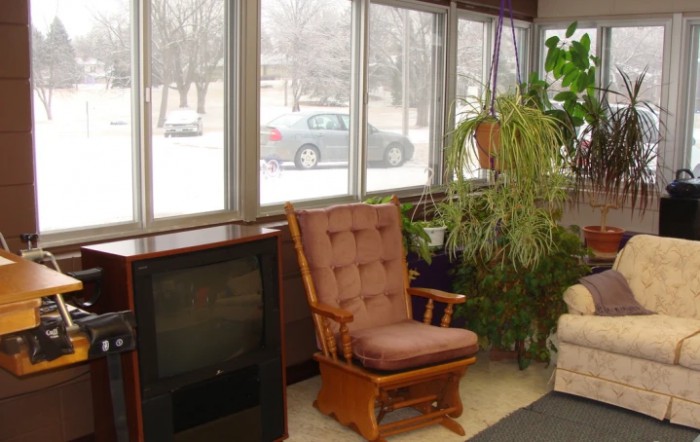
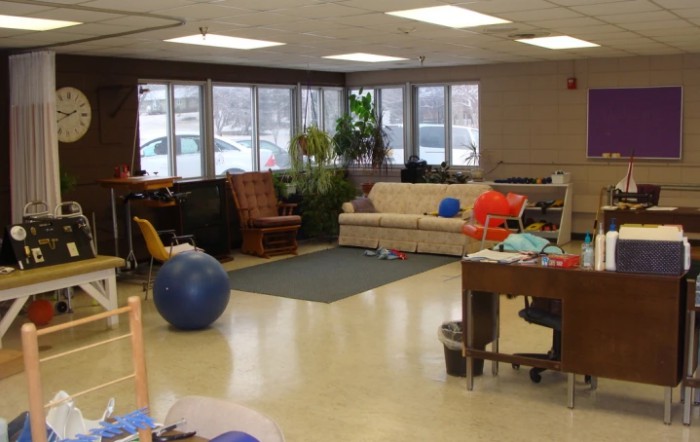
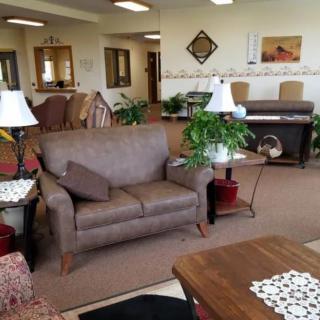
 Indoor common areas
 Kitchenette
 Move-in coordination
 Outdoor space
 Private bathrooms
 Restaurant-style dining
 Small library
 Telephone
 Wellness center
 Wi-Fi/high-speed internet available
 Community operated transportation
 12-16 hour nursing
 24-hour call system
 Ambulatory care
 Assistance with bathing
 Assistance with dressing
 Assistance with transfers
 Diabetes diet
 Medication management
 Mental wellness program
 Special dietary restrictions
 Concierge services
 Planned day trips

 Understanding the True Cost of Assisted Living in 2025: A Comprehensive Guide
 Understanding Medicaid Coverage for Assisted Living: A Comprehensive Guide
 How and When Medicaid May Cover Assisted Living Costs