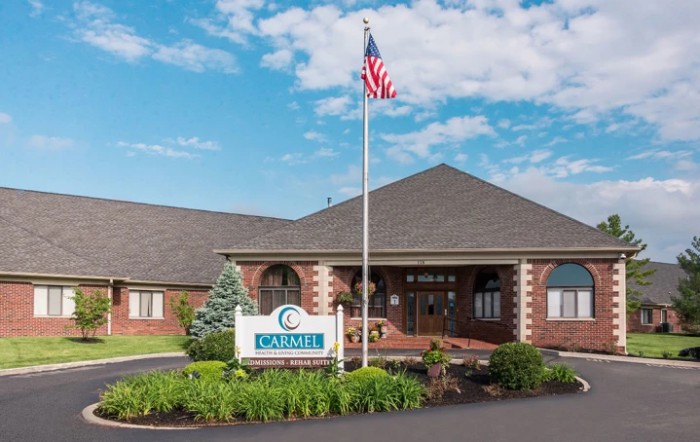
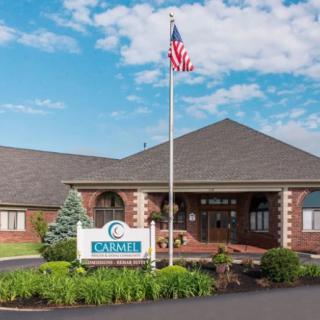
Carmel Health & Living Community in Carmel, IN

Save

Carmel Health & Living Community in Carmel, IN

118 Medical Drive, Carmel, IN 46032

For more information about senior living options: (844) 490-3973

3.3 from 72 reviews
5 stars
37
4 stars
3
3 stars
1
2 stars
6
1 stars
25

Skilled Nursing Facility

Overall Review of Carmel Health & Living Community

Pros

  • pro The staff are extremely kind, caring, knowledgeable, and treat residents with respect and understanding.
  • pro The memory care team is compassionate and attentive, helping residents stay active and feel valued.
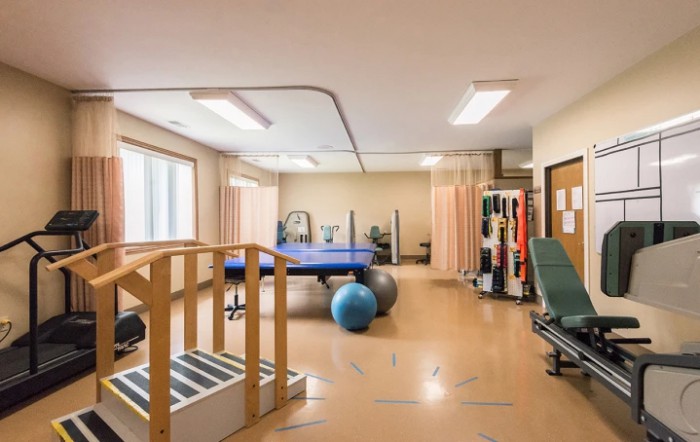
  • pro The rehabilitation and therapy teams provide effective physical, occupational, and speech therapy that helps residents regain independence.
  • pro The facility is clean, welcoming, and feels like home, with staff who know residents by name and keep families updated.
  • pro The admissions and business office staff navigate Medicare and Medicaid with care, going above and beyond to assist families.
  • pro Carmel Health & Living is described as a "dream team" and the epitome of patient care.
  • pro The staff consistently go above and beyond to support families during transitions and ongoing care.

Cons

  • pro Some nurses provided inadequate care.
  • pro Food was inedible and always cold.
  • pro Assistance with personal hygiene was unacceptable; residents weren't helped with brushing teeth or sponge baths.
  • pro Communication with patients and families was very poor, with information hard to obtain.
  • pro The facility was severely understaffed, especially on weekends, leaving residents to fend for themselves.
  • pro Medications were not given on time or were omitted, and there were administration errors.
  • pro The building was dirty and smelled bad; rooms were not consistently cleaned.
  • pro Billing practices were confusing or erroneous, leading to unexpected charges.
  • pro Some staff were unfriendly or unhelpful, causing inconsistent care.

Review

Carmel Health & Living Community is best suited for families seeking robust memory-care support and post-acute rehabilitation in a setting where several caregivers are genuinely engaged, responsive, and skilled. The facility earns particular value from memory-care units that residents and families describe as compassionate, respectful, and actively involved in daily activities. For families prioritizing constant, hands-on therapy and a recognizable care team that treats residents with personal attention, this community can feel like a reliable anchor in difficult health transitions.

However, several realities warrant consideration before committing. Those who require consistently flawless daily care, precise medication management, and transparent, predictable billing should explore alternatives. Reviews recount recurring concerns about staffing variability, uneven care quality, and occasional lapses in hygiene and monitoring. Weekend staffing gaps, reported delays in responses to call bells, and some accusations of miscommunication or incomplete information about treatment plans are not rare enough to overlook. For families with high medical complexity or stringent expectations for routine, error-free service, a different option may reduce ongoing stress.

The strongest positives - particularly in the memory-care and rehab spheres - often offset some of the more troubling drawbacks when the right team is in place. Several families praise attentive aides and nurses, daily check-ins, and personalized interactions that make residents feel seen and valued. Therapy services - PT, OT, and speech therapy - are frequently described as capable and productive, with residents able to regain or maintain function. Admissions and transition supports are highlighted as efficient, with staff guiding families through processes and maintaining family members in the loop. When a cohesive, stable team is present, the environment can feel professional, organized, and genuinely resident-centered.

Yet the negatives are persistent enough to shape risk in decision-making. Medication administration errors and delays, lapses in hygiene, and inconsistent attention to personal care appear in multiple accounts. Food quality and temperature have surfaced as a concern in certain stays, while communication gaps - especially around discharge planning or coordinating home care - have created avoidable anxiety for families. Some families report feeling pressured by administrative processes or facing billing disputes that undermine trust. The spectrum of experiences ranges from genuinely high-quality interactions where staff notice and address needs promptly, to days where families feared their loved ones were not receiving basic levels of attention.

For families weighing their options, a practical lens is essential. The facility's memory-care strengths should be leveraged by visiting the unit, meeting frontline staff, and requesting a recent activity calendar to gauge engagement levels. For rehab and post-acute needs, inspect the cadence of therapy sessions and the consistency of therapists across shifts. Verify medication workflows, nurse-to-resident ratios on evenings and weekends, and the facility's protocol for urgent concerns. Question the admissions team about care-plan development timelines, how often families receive formal updates, and how concerns are escalated and resolved. Finally, probe the business office for clarity on Medicare/Medicaid processes, private-pay arrangements, and the facility's approach to billing transparency.

In the end, Carmel Health & Living Community can be a strong fit for memory-care residents and those entering or recovering from rehab when the chosen unit is staffed by a stable, engaged team that communicates clearly and acts with bedside responsiveness. It is less reliable for families prioritizing uniform daytime performance and absolute consistency across all shifts, particularly on weekends or under higher patient loads. The prudent path is a thorough, multi-visit evaluation focused on the specific wing or unit that will care for a loved one, with concrete questions about medication safety, daily care routines, and financial arrangements. If those assurances check out, the community offers a humane, home-like environment with staff who genuinely know and care for residents. If not, alternatives that boast steadier staffing, tighter care-coordination, and proven daily reliability may prevent ongoing frustration and risk.

Features

Housing

  • 188 resident community capacity 188 resident community capacity
  • 1-bedroom apartments 1-bedroom apartments1-bedroom apartments are important for seniors because they provide a sense of independence, privacy, and autonomy while still offering the necessary space for comfortable living. These apartments allow seniors to maintain their own personal space and lifestyle preferences in a supportive community setting.
  • Studio apartments Studio apartmentsStudio apartments are important for seniors because they offer a smaller, more manageable living space that is easier to navigate and maintain as physical abilities decline. Additionally, studio apartments provide seniors with independence and privacy while still being part of a community that offers support and social opportunities.

Types of Care

  • Skilled Nursing Facility Skilled Nursing FacilitySkilled Nursing Facilities are crucial for seniors as they provide round-the-clock medical care, rehabilitation services, and assistance with daily activities. These facilities ensure that seniors receive the specialized care they need to maintain their health and well-being as they age.

Amenities

  • Air-conditioning Air-conditioningAir conditioning is important for seniors as they are more vulnerable to heat-related illnesses and may have underlying health conditions that make it difficult for them to regulate their body temperature. It helps to keep them comfortable, safe, and healthy in hot weather.
  • Beautician on-site Beautician on-siteHaving a beautician on-site at a senior living community is important for seniors as it allows them to easily access grooming and personal care services, boosting their self-esteem and overall well-being. It also provides convenience and helps seniors maintain their sense of independence and personal style.
  • Beauty salon Beauty salonBeauty salons are important for seniors because they provide a space for them to feel pampered, socialize, and maintain their personal grooming and hygiene. Regular visits to a beauty salon can help boost seniors' self-esteem and overall well-being.
  • Cable or satellite TV Cable or satellite TVCable or satellite TV is important for seniors because it provides entertainment, news, and companionship, helping to combat loneliness and boredom. It also offers a wide range of programming options tailored to different interests and preferences.
  • Computer center Computer centerA computer center is essential for seniors as it provides access to technology, communication tools, and resources that can enhance their daily lives. It allows them to stay connected with loved ones, engage in online activities, and learn new skills, ultimately promoting socialization and mental stimulation.
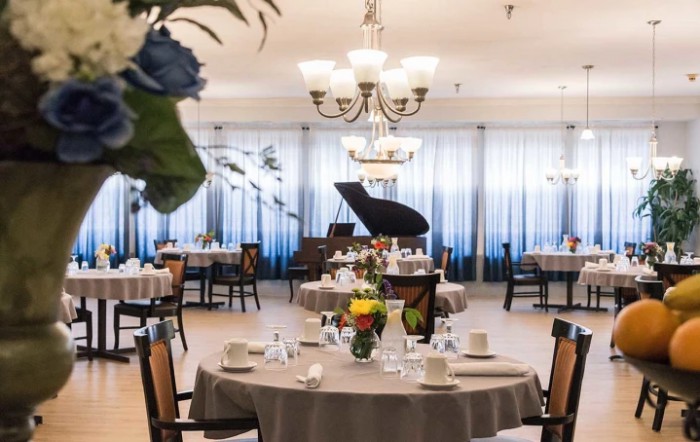
  • Dining room Dining roomDining rooms are important for seniors as they provide a space for socialization, connection, and nutritious meals. They offer opportunities for residents to bond over shared meals, foster a sense of community, and promote healthy eating habits. Dining rooms also ensure that seniors have access to well-balanced meals tailored to their dietary needs and preferences.
  • Fitness room Fitness roomHaving a fitness room in a senior living community is essential for seniors to stay active, maintain their physical health, and improve their overall well-being. Regular exercise can help prevent falls, reduce the risk of chronic diseases, and promote mental sharpness. It also provides social opportunities for residents to connect with others and enjoy a sense of community.
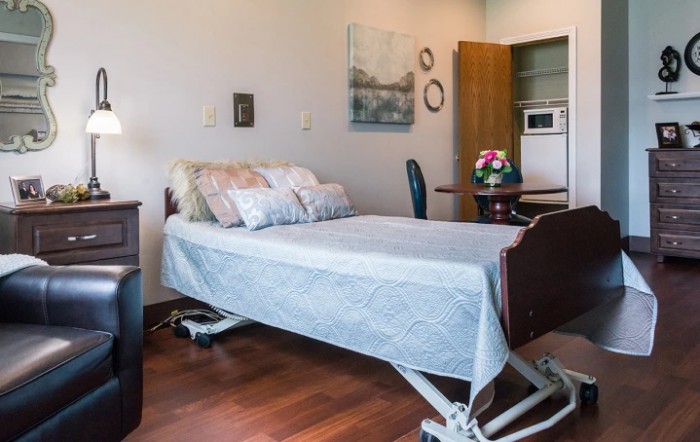
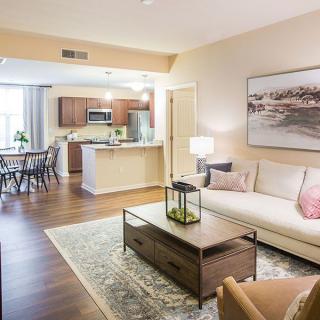
  • Fully furnished Fully furnishedFully furnished senior living communities are important for seniors because they provide convenience, comfort, and a hassle-free moving experience. Seniors can easily settle into their new living space without the stress of having to buy and move furniture. This allows them to focus on enjoying their new home and community.
  • Gaming room Gaming roomGaming rooms are important for seniors as they provide a fun and engaging environment for socializing, cognitive stimulation, and physical activity. Games can improve memory, problem-solving skills, and overall mental well-being while fostering friendships and reducing feelings of isolation.
  • Garden GardenGardens are important for seniors as they provide a peaceful and therapeutic environment for relaxation, physical activity, and socialization. Being in nature has been shown to reduce stress, improve mood, and promote overall well-being. Gardens also offer opportunities for seniors to engage in gardening activities, which can improve mobility, flexibility, and cognitive function. Additionally, gardens create a sense of community and connection with others who share a passion for plants and outdoor spaces.
  • Guasts at mealtime Guasts at mealtime"Guests at mealtime" offer seniors the opportunity for social interaction, companionship, and a sense of community during meals, which can help combat feelings of loneliness and isolation commonly experienced in senior living environments. It can also enhance their overall dining experience and improve their mental and emotional well-being.
  • Housekeeping services Housekeeping servicesHousekeeping services are important for seniors because they help maintain a clean and safe living environment, promote independence, and reduce the risk of accidents or illnesses. Additionally, having assistance with household chores can alleviate physical strain and allow seniors to focus on other aspects of their well-being.
  • Kitchenette KitchenetteKitchenettes are important for seniors living in senior living communities because they provide the convenience and independence of being able to prepare simple meals and snacks in the comfort of their own living space. This can help promote a sense of autonomy and well-being for seniors, allowing them to maintain some level of control over their dietary choices and daily routines.
  • Move-in coordination Move-in coordinationMove-in coordination is important for seniors because it helps ease the transition into their new living environment. It ensures that all logistics, such as packing, organizing movers, and setting up utilities are taken care of, allowing seniors to focus on settling in and adjusting to their new home. Having a smooth move-in process can alleviate stress and anxiety, making the transition smoother and more enjoyable for seniors.
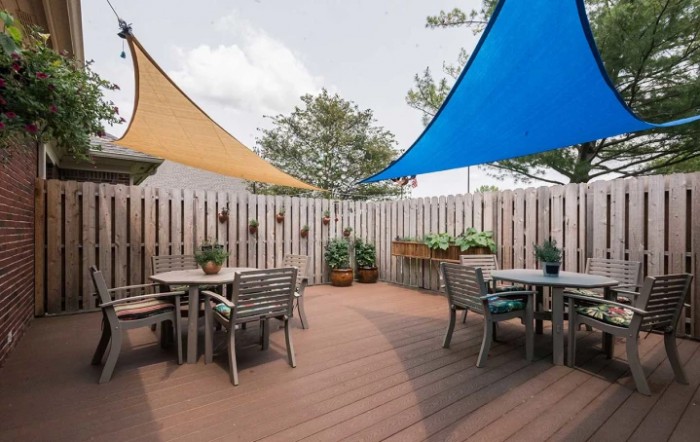
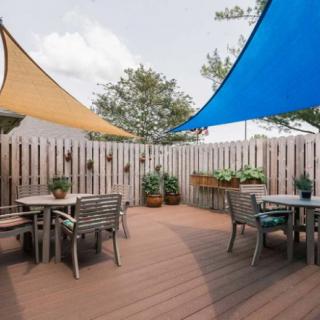
  • Outdoor space Outdoor spaceOutdoor spaces are important for seniors as they provide opportunities for physical activity, social interaction, exposure to natural light and fresh air, and a sense of connection to nature. Having access to outdoor spaces can improve overall well-being and quality of life for older adults living in senior communities.
  • Private bathrooms Private bathroomsPrivate bathrooms are important for seniors in senior living communities because they provide independence, dignity, and comfort. Having a private bathroom allows seniors to maintain their personal hygiene routines without the need for assistance, promoting a sense of autonomy and privacy. Additionally, private bathrooms help prevent the spread of infections and provide a safe and clean environment for seniors to navigate safely.
  • Resident parking Resident parkingResident parking is crucial for seniors in a senior living community as it provides convenience, accessibility, and safety for residents who may have limited mobility or rely on personal vehicles for transportation. Having designated parking spaces ensures that seniors can easily access their homes without having to walk long distances or navigate crowded parking lots, ultimately enhancing their overall quality of life and sense of independence.
  • Restaurant-style dining Restaurant-style diningRestaurant-style dining is important for seniors because it allows them to enjoy delicious, nutritious meals in a social and upscale setting. This enhances their dining experience, promotes healthy eating habits, and fosters socialization with fellow residents, ultimately contributing to their overall well-being and quality of life.
  • Small library Small librarySmall libraries are important for seniors as they provide access to a variety of reading materials, including books, newspapers, and magazines. This can help stimulate their minds, keep them engaged, and provide a sense of community through book clubs and other social activities. Additionally, reading has been shown to improve cognitive function and overall mental well-being in older adults.
  • Telephone TelephoneTelephones are important for seniors as they provide a lifeline for communication with loved ones, emergency services, and healthcare providers. They offer a sense of security and independence, enabling seniors to stay connected and access assistance when needed.
  • Wellness center Wellness centerWellness centers are important for seniors because they offer a variety of programs and services that promote physical, mental, and emotional well-being. These centers provide opportunities for exercise, socialization, education, and relaxation, helping seniors maintain their overall health and quality of life.
  • Wi-Fi/high-speed internet available Wi-Fi/high-speed internet availableWi-Fi/high-speed internet is important for seniors to stay connected with loved ones, access online resources, and participate in virtual activities to combat feelings of loneliness and isolation. It also allows them to easily manage healthcare needs, access entertainment, and engage in lifelong learning opportunities.

Transportation

  • Indianapolis International (19 miles away) Indianapolis International (19 miles away)
  • Community operated transportation Community operated transportationCommunity operated transportation is crucial for seniors as it provides them with the means to access essential services, social activities, and medical appointments. It allows seniors to maintain their independence and quality of life by ensuring they can participate in activities outside of their homes. Additionally, community-operated transportation services offer a safe and reliable way for seniors to travel without having to rely on family or friends for assistance.
  • Transportation & parking Transportation & parkingTransportation and parking are vital for seniors as they offer access to essential services, activities, and social interactions. Reliable transportation options can help seniors maintain independence, stay connected within their community, and enjoy a higher quality of life. Additionally, convenient parking facilities ensure that seniors can easily access necessary resources and amenities without added stress or difficulty.
  • Transportation arrangement Transportation arrangementTransportation arrangements are crucial for seniors as they may face challenges with driving, mobility, or access to public transportation. Having reliable transportation services ensures that seniors can easily attend appointments, social activities, and maintain their independence and quality of life.

Care Services

  • 24-hour call system 24-hour call system24-hour call systems are important for seniors because they provide peace of mind and immediate assistance in case of emergencies. This technology ensures that help is always available, promoting safety and security for elderly individuals living alone or in assisted living facilities.
  • 24-hour supervision 24-hour supervision24-hour supervision is important for seniors to ensure their safety, well-being, and access to immediate assistance in case of emergencies or health issues. This constant support provides peace of mind for both seniors and their loved ones, allowing them to age in place with dignity and security.
  • Activities of daily living assistance Activities of daily living assistanceActivities of daily living assistance are important for seniors because they provide essential support with tasks such as eating, bathing, dressing, and mobility. This assistance helps seniors maintain their independence, dignity, and overall quality of life as they age.
  • Assistance with bathing Assistance with bathingAssistance with bathing is crucial for seniors as it helps maintain personal hygiene, prevents infections, and ensures their overall well-being and comfort. It also provides a sense of dignity and independence for seniors who may struggle with this task on their own.
  • Assistance with dressing Assistance with dressingAssistance with dressing is important for seniors because it helps maintain their independence, promotes personal hygiene, prevents accidents and injuries, and improves overall quality of life. This service ensures that seniors can continue to dress comfortably and confidently, despite any physical limitations they may have.
  • Assistance with transfers Assistance with transfersAssistance with transfers is crucial for seniors as it helps prevent falls and injuries, maintains their independence, and ensures they can safely navigate their living environment. It also provides peace of mind for both seniors and their loved ones.
  • Diabetes diet Diabetes dietA diabetes diet is crucial for seniors as it helps manage blood sugar levels, reduce risks of complications, and improve overall health and well-being. By following a balanced and nutritious diet tailored to their specific needs, seniors can better control their diabetes and enhance their quality of life.
  • Meal preparation and service Meal preparation and serviceMeal preparation and service are crucial for seniors as they may have limited mobility or energy to cook nutritious meals. Having access to healthy and convenient food options can ensure they are getting the proper nutrition needed to maintain their overall health and well-being.
  • Medication management Medication managementMedication management is crucial for seniors to ensure they are taking the right medications at the correct dosages and times. This helps prevent adverse drug interactions, reduces the risk of medication errors, and promotes overall health and well-being. Proactive management also allows for adjustments as needed based on changing health conditions or new prescriptions.
  • Special dietary restrictions Special dietary restrictionsSpecial dietary restrictions are important for seniors because age-related changes in metabolism and health conditions can make it difficult for their bodies to process certain foods. By following a diet tailored to their specific needs, seniors can maintain their overall health and well-being, manage chronic conditions, and reduce the risk of complications such as malnutrition or food interactions with medications.

Dining

  • Diabetes diet Diabetes dietA diabetes diet is crucial for seniors as it helps manage blood sugar levels, reduce risks of complications, and improve overall health and well-being. By following a balanced and nutritious diet tailored to their specific needs, seniors can better control their diabetes and enhance their quality of life.
  • Special dietary restrictions Special dietary restrictionsSpecial dietary restrictions are important for seniors because age-related changes in metabolism and health conditions can make it difficult for their bodies to process certain foods. By following a diet tailored to their specific needs, seniors can maintain their overall health and well-being, manage chronic conditions, and reduce the risk of complications such as malnutrition or food interactions with medications.

Activities

  • Community-sponsored activities Community-sponsored activitiesCommunity-sponsored activities are important for seniors as they provide opportunities for social interaction, mental stimulation, and physical activity. These activities can help improve overall well-being, combat loneliness and isolation, and promote a sense of belonging and purpose among older adults.
  • Concierge services Concierge servicesConcierge services are essential for seniors as they provide assistance with daily tasks and errands, enhance their quality of life by offering convenience and personalized care, and promote a sense of safety and security.
  • Fitness programs Fitness programsFitness programs are crucial for seniors as they help improve strength, flexibility, balance, and overall well-being. Staying active can reduce the risk of chronic diseases, improve mental health, and enhance quality of life in older adults.
  • Planned day trips Planned day tripsPlanned day trips are important for seniors because they offer opportunities for socialization, mental stimulation, and physical activity. They provide a change of scenery and help seniors stay engaged and connected to their community, promoting overall well-being and quality of life.
  • Resident-run activities Resident-run activitiesResident-run activities are important for seniors as they encourage social interaction, creativity, and a sense of autonomy. These activities empower seniors to stay engaged and active in their community while fostering meaningful connections with their peers.
  • Scheduled daily activities Scheduled daily activitiesScheduled daily activities are important for seniors because they provide structure, socialization, mental stimulation, and physical activity. Engaging in regular activities can improve overall well-being and quality of life for seniors living in a community setting.

Description

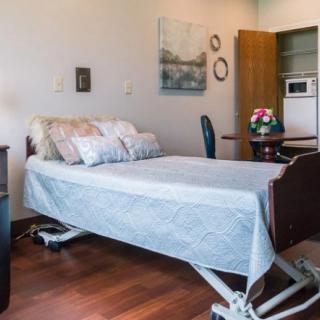
Carmel Health & Living Community in Carmel, IN is a welcoming assisted living community offering studio apartments for seniors looking for a comfortable and supportive living environment. Our community provides a range of amenities and care services to ensure our residents' needs are met.

In terms of amenities, we have an on-site beautician and beauty salon, allowing residents to easily access hair care and grooming services. We offer cable or satellite TV in each apartment for entertainment purposes. Our community operated transportation service ensures that residents can easily get around town for errands, appointments, or social outings.

We have a computer center for residents to stay connected with loved ones and engage in online activities. Our dining room offers restaurant-style dining where residents can enjoy delicious meals prepared by our skilled kitchen staff. For those who prefer more privacy, each apartment comes fully furnished with a kitchenette.

Our community also provides various spaces for recreation and relaxation, including a fitness room, gaming room, garden, outdoor space, small library, and wellness center. Residents can participate in planned daily activities or take advantage of concierge services to plan day trips or resident-run activities.

For peace of mind, we offer 24-hour supervision and assistance with activities of daily living such as bathing and dressing. Our staff is trained to provide assistance with transfers for those who may need mobility support. Medication management is also available to ensure proper administration of medications.

Dining at our community takes into consideration any special dietary restrictions that residents may have. We strive to accommodate individual needs and preferences when it comes to meal preparation and service.

Located conveniently near various amenities in the surrounding area, our community has four cafes, six parks, 16 pharmacies, 22 physicians' offices nearby. There are also plenty of restaurants for residents to explore as well as places of worship and theaters within close proximity. Transportation arrangements can be made easily for those who wish to visit nearby hospitals when needed.

Overall, Carmel Health & Living Community offers a comprehensive and compassionate assisted living experience, providing residents with a comfortable home, a range of amenities, and personalized care services to support their well-being and enhance their quality of life.

Nearby Places of Interest

Pharmacies

  • CVS Pharmacy (0.1 miles)
  • Meijer Pharmacy (1.8 miles)
  • CVS Pharmacy (1.9 miles)
  • CVS Pharmacy (2.1 miles)
  • Market District Pharmacy (2.1 miles)
  • CVS Pharmacy (3.3 miles)
  • Walgreens (3.3 miles)

Transportation

  • National Car Rental (0.1 miles)

Theaters

  • Flix Brewhouse (0.4 miles)
  • Regal Ua Galaxy - Indianapolis (5.8 miles)

Restaurants

  • Union Brewing Company (0.9 miles)
  • Caliente Mexican Restaurant (0.9 miles)
  • Bru Burger Bar (1.6 miles)
  • La Hacienda (2 miles)
  • McDonald's (2.1 miles)
  • Kona Grill (2.6 miles)
  • Chipotle Mexican Grill (2.9 miles)

Physicians

  • Siwy Plastic Surgery (1.1 miles)
  • Indiana Health Group (1.7 miles)
  • Abrams EyeCare Associates (1.7 miles)
  • Ascension Medical Group - St Vincent - Infectious Disease (1.7 miles)
  • St.Vincent Carmel Hospital (1.9 miles)
  • IU Health Physicians Northside Adult & Pediatric Care - IU Health North Hospital Offices (1.9 miles)
  • IU Health Family & Internal Medicine - IU Health North Hospital Medical Office Building (1.9 miles)

Parks

  • Central Park Playground (1.2 miles)
  • Meadowlark Park (1.6 miles)
  • Gray Road Park (2.3 miles)
  • Founders Park (2.7 miles)
  • Cool Creek Park & Nature Center (3.5 miles)
  • Lakeside Park (4.7 miles)

Places of Worship

  • Orchard Park Presbyterian Church (1.3 miles)
  • Hazel Dell Christian Church (4 miles)
  • College Park Church (4.8 miles)
  • Second Presbyterian Church (4.8 miles)
  • St Luke Catholic Church (5 miles)
  • Holy Trinity Church (5.2 miles)

Hospitals

  • Franciscan St Francis Health (1.9 miles)
  • Riley Hospital For Children (2.4 miles)
  • St Vincent Hospital Trauma ICU (5.2 miles)
  • Trauma /Neuro ICU (5.2 miles)
  • Community Heart And Vascular Surgery ICU Waiting Room (5.8 miles)
  • Community (6 miles)

Cafes

  • Starbucks (2.1 miles)
  • Starbucks (2.9 miles)
  • Panera Bread (3 miles)
  • Starbucks (3.3 miles)

Frequently Asked Questions

What floor plans and room types does Carmel Health & Living Community offer?
Where is Carmel Health & Living Community?
What photos are available for Carmel Health & Living Community in Carmel, Indiana?

Nearby Communities

  • Carmel Health & Living

    Carmel Health & Living

    Carmel, IN

    3 from 78 reviews
    $1,100 to $4,275 / month

    pro New Memory Care Unit praised for kind, supportive care.

  • Brookdale Carmel

    Brookdale Carmel

    Carmel, IN

    4 from 79 reviews
    $6,860 to $9,025 / month

    pro Compassionate staff delivering personalized dementia care in a neighborhood-style setting with engaging activities and strong family involvement.

  • Green House Cottages Of Carmel

    Green House Cottages Of Carmel

    Carmel, IN

    4.6 from 67 reviews
     

    pro Strong personal care with friendly staff in a clean, cheerful environment.

  • The Barrington of Carmel

    The Barrington of Carmel

    Carmel, IN

    4.3 from 127 reviews
     

    pro Beautiful campus with extensive amenities and friendly staff contributing to a social, engaging environment.

  • The Cottages at Carmel

    The Cottages at Carmel

    Carmel, IN


    pro Small, intimate setting with personalized care and dietary accommodations.

  • Crown Pointe of Carmel

    Crown Pointe of Carmel

    Carmel, IN

    3.8 from 21 reviews
    $1,700 to $2,250 / month

    pro Spotlessly clean facility with personable, attentive staff and good dining.

  • Sunrise on Old Meridian

    Sunrise on Old Meridian

    Carmel, IN

    4.4 from 94 reviews
    $1,840 to $5,130 / month

    pro Compassionate staff and a warm, engaging environment with convenient transportation.

  • Woodland Terrace of Carmel

    Woodland Terrace of Carmel

    Carmel, IN

    4.3 from 55 reviews
    $2,910 to $4,650 / month

    pro Friendly, helpful staff; welcoming, hotel-like ambiance; strong dining and activity options; well-maintained facilities with dementia care expertise.

  • Majestic Care of Carmel Assisted Living

    Majestic Care of Carmel Assisted Living

    Carmel, IN

    4 from 11 reviews
    $2,095 to $3,595 / month

    pro Clean, spacious, and well-maintained with caring staff.

Related Resources

  • palliative care at homeComprehensive Insights into Palliative Home Care: What It Is and What to Expect

    Palliative home care focuses on improving the quality of life for individuals with serious illnesses by providing comfort, symptom management, and emotional support in their own homes. This approach includes personalized care plans, regular assessments, and resources for family caregivers, all while prioritizing person-centered treatment that aligns with patients' goals.

  • skilled nursing facility vs nursing homeSkilled Nursing Facilities vs. Nursing Homes: Making Sense of the Differences

    Skilled nursing facilities (SNFs) provide high-level medical care and rehabilitation for short-term recovery, typically covered by Medicare after hospitalization, while nursing homes focus on ongoing custodial care for chronic conditions, mainly funded by Medicaid or private payments. The staffing and regulatory structures differ significantly between the two, necessitating clarity for families in choosing appropriate long-term care options.

  • nursing home costsA Detailed Examination of Nursing Home Costs Across the U.S.
    Nursing home care costs in the U.S. vary significantly based on location, level of care, and amenities, with private room prices ranging from approximately $6,700 to over $30,000 monthly. Families need to explore various payment options and conduct thorough research to manage these expenses effectively.