
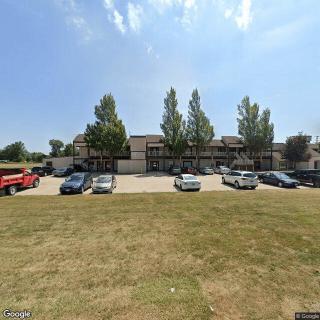
500 South Art Bartell Road, Urbana, IL 61802
For more information about senior living options: (866) 208-4318
Overall Review of University Rehab
Pros
 Excellence is noted from the moment of arrival.
- The staff are described as super friendly and highly skilled.
- The staff are professional in all aspects, with CNAs and therapists praised for helpfulness and professionalism.
- For rehab needs, the facility is presented as a top option.
- In memory care, staff keep residents safe, stay in close contact with families, and facilitate visits.
- The facility follows IDPH guidelines.
- New management is credited with positive changes and improved care.
- A dedicated team is recognized for caring for patients.
- The facility is described as building a better nursing and rehab center.
Cons
 The management personnel were very inadequate.
- Social services could never be reached and their follow-through was highly questionable.
- The DNR directive was not followed prior to her death, with no explanations provided.
- The lockdown rules were inhumane, keeping patients from their loved ones.
- The isolation and loneliness greatly contributed to her decline.
- The facility was described as a horrible place where patients were not well cared for and communication with families was poor.
- Staff forgot she had a DNR when she went into cardiac arrest.
- The facility was short-staffed, with administration described as oblivious or uncaring.
Review
This community is best suited for seniors who need short-term post-acute rehabilitation and for memory-care residents who rely on a responsive clinical team and ongoing family involvement. The rehab program stands out for its skilled therapists and attentive CNAs, delivering professional daily care and hands-on therapy that can support a solid recovery trajectory after surgery or a hip fracture. In memory care, the emphasis on continuity of care, a geriatric-focused approach, and efforts to make the environment feel more home-like can make a meaningful difference for residents who require steady daily support and reliable communication with loved ones.
Those considering alternatives should weigh whether administrative responsiveness and proactive care coordination are nonnegotiable. Several reviews highlight difficulties with social services, inconsistent follow-through, and communication gaps with management. For families that depend on timely updates, clear care planning, and dependable escalation when questions arise, these bottlenecks can erode confidence even when direct care staff are capable. A recent leadership transition adds a variable factor; while changes may bring improvements, the variability in administrative performance means alternatives with steadier governance could be preferable for long-term placement.
The strongest offset to these concerns lies in the clinical and care dynamics on the ground. The consistently positive feedback about the rehab therapy team and nursing staff suggests actual caregiving quality remains solid where it matters: under the patient’s roof, day-to-day care is managed with competence and professionalism. In memory care, families repeatedly note proactive, personalized attention, successful coordination with a geriatric-focused practitioner, and a sustained connection to family through regular updates and flexible visiting options. These elements create a credible value proposition for families prioritizing tangible care outcomes over administrative polish.
On balance, the memory-care unit presents one of the facility’s clearest strengths: a staff group that demonstrates steadiness, trustworthiness, and a practical commitment to keeping families informed. The ability to tailor arrangements, maintain ongoing touchpoints, and support transitions, such as arranging a seamless move from another setting into Memory Care, can reduce anxiety for caregivers and create a more predictable daily routine for residents. When management supports these objectives with consistent policies and accessible social services, the experience can be markedly more reassuring than in facilities where communication is routinely delayed or opaque.
There are real safety and satisfaction risks to consider as well. Reports of elderly residents experiencing delayed showers, multiple falls, and questions about DNR adherence point to potential gaps in supervision, incident response, and policy enforcement. While some families praise the facility for professional care and supportive staff, these negative anecdotes cannot be dismissed. The mix suggests that outcomes may be highly unit-dependent and contingent on which team is on shift, making it essential for families to scrutinize staffing levels, care plans, and incident handling before committing.
Ultimately, this community can be a dependable choice for rehab-focused care and for memory care when leadership is engaged and communication channels are reliably open. Prospective families should conduct a pointed, in-person inquiry: ask to meet the rehab director and memory-care manager, review recent incident and care-planning processes, request a detailed tour of the unit’s daily routines, and seek current families’ experiences with social services responsiveness. If administrative consistency and proactive communication are nonnegotiable, it may be prudent to compare options with facilities known for steadier governance and fewer reported lapses, even if that means compromising slightly on rehab or memory-care immediacy. In the right hands, University Rehab can deliver solid care and meaningful recovery; in the wrong hands, the very concerns cited here can undermine confidence and peace of mind for families making one of the most important care decisions.
 243 resident community capacity
 Skilled Nursing Facility
 Air-conditioning
 Beauty salon
 Cable or satellite TV
 Computer center
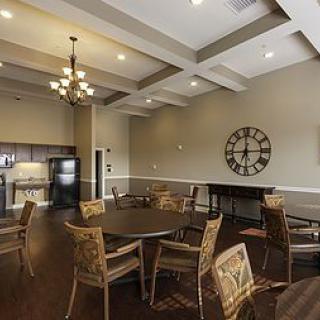
 Dining room
 Fitness room
 Fully furnished
 Gaming room
 Garden
 Housekeeping services
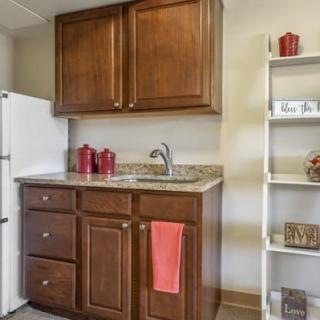
 Kitchenette
 Move-in coordination
 Outdoor space
 Private bathrooms
 Restaurant-style dining
 Small library
 Telephone
 Wellness center
 Wi-Fi/high-speed internet available
 University of Illinois-Willard (7 miles away)
 Community operated transportation
 12-16 hour nursing
 24-hour call system
 Activities of daily living assistance
 Assistance with bathing
 Assistance with dressing
 Assistance with transfers
 Diabetes diet
 Medication management
 Mental wellness program
 Special dietary restrictions
 Concierge services
 Planned day trips


 A Detailed Exploration of Living Wills and Advance Directives
 Comprehensive Guide to Medicare Coverage for Hospice Care
 Caring for Those Who Care: Recognizing, Understanding, and Overcoming Caregiver Burnout