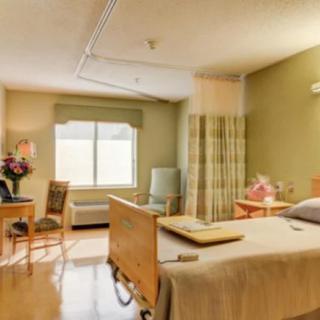
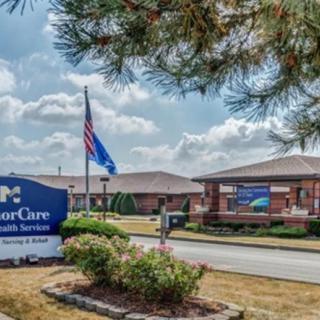
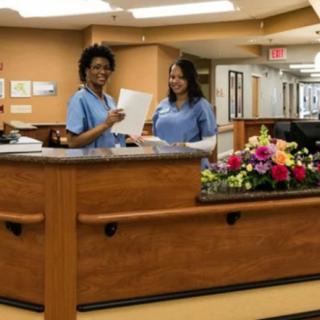
South Holland Manor Health & Rehab in South Holland, IL

Save

South Holland Manor Health & Rehab in South Holland, IL

Information last verified:

2145 East 170Th Street, South Holland, IL 60473

For more information about senior living options: (844) 490-3973

2.1 from 68 reviews
5 stars
12
4 stars
4
3 stars
5
2 stars
4
1 stars
43

Overall Review of South Holland Manor Health & Rehab

Pros

  • pro The staff made the stay very pleasant and welcoming.
  • pro The atmosphere was warm and caring.
  • pro The nurses and CNAs were outstanding, and there wasn’t a bad apple in the bunch.
  • pro The Administrative Team were compliant to needs and assisted to the best of their ability.
  • pro The Social Service Department was phenomenal.
  • pro The DNP and ADNP were wonderful and ensured that the stay was comfortable.
  • pro The Restorative Manager and the staff were awesome.
  • pro The South Holland Manor really rocks.

Cons

  • pro They describe the facility as dirty and poorly maintained, with rooms dirty and floors sticky.
  • pro They report broken secure doors and a malfunctioning handicap door button that jeopardize safety.
  • pro They note overpowering smells on the Medicare floor and rooms that were not properly cleaned.
  • pro They say soiled adult briefs were left in the bathroom trash, causing lingering odors.
  • pro They claim call lights were unresponsive for hours, delaying critical care.
  • pro They mention undercooked meals and residents left in hallways, confused.
  • pro They describe staff as unprofessional, uncaring, and sometimes abusive, with disrespect toward residents.
  • pro They warn the facility should be shut down due to neglect and unsafe conditions.
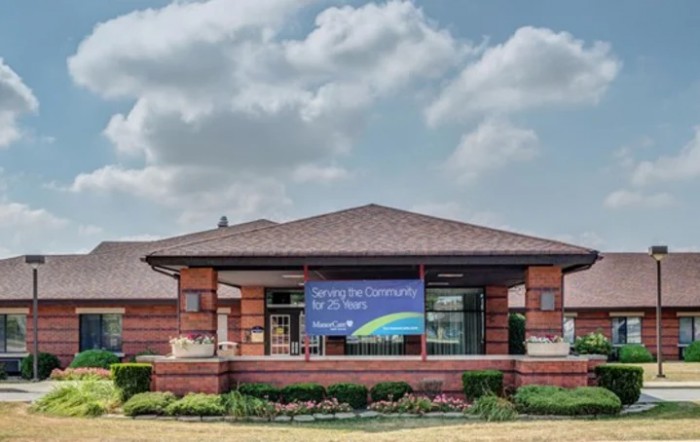
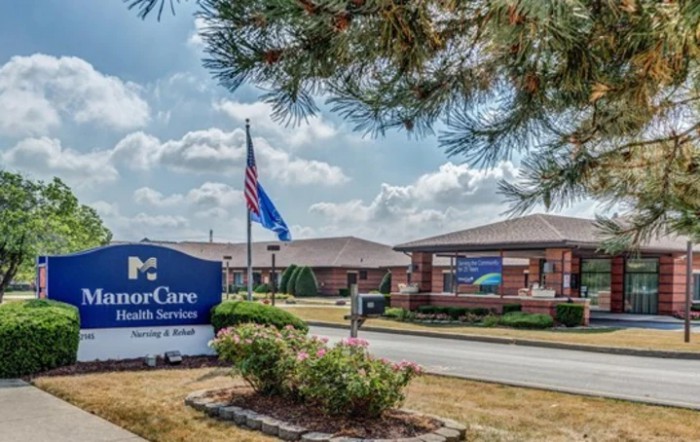
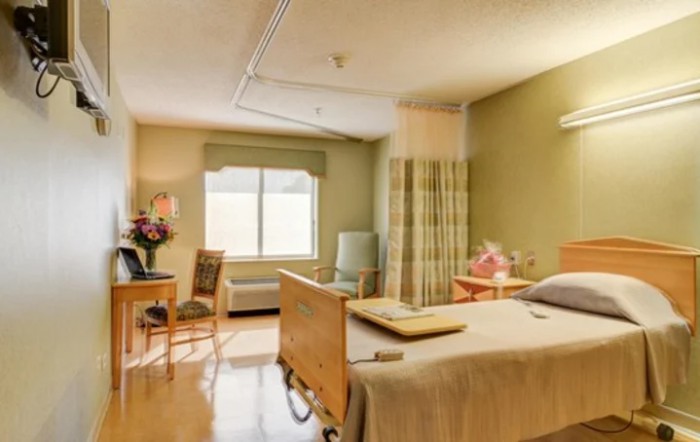
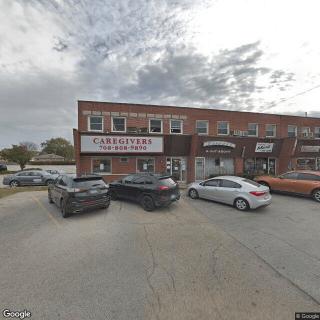
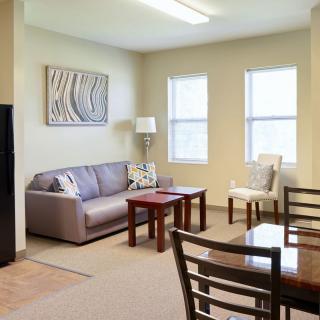
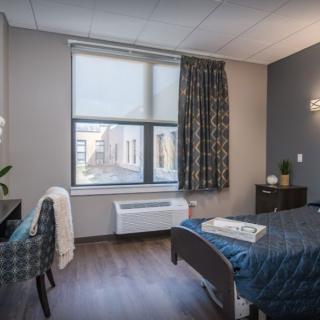
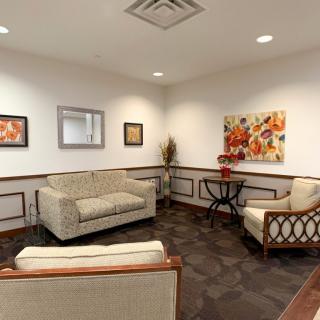
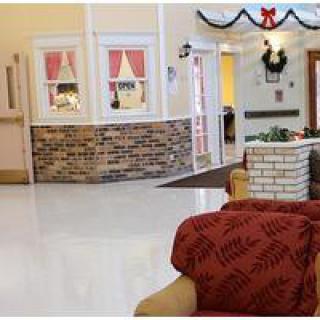
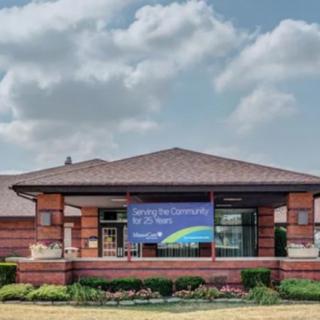
  • pro They caution that website photos misrepresent the reality and advise touring in person.

Review

South Holland Manor Health & Rehab is best suited for families that can supervise care closely and endure significant variation in quality, particularly for short-term rehab or post-acute stays where a few staff members may demonstrate real compassion. This community can feel workable for residents who require a moderate level of assistance and whose families are willing to stay engaged, checking rooms, monitoring hygiene, and verifying medications. The reality, however, is that consistency and reliability are not guaranteed, and outcomes hinge heavily on which shift or staff member is on duty.

Those weighing alternatives should note that the reviews repeatedly flag safety, cleanliness, and responsiveness as non-negotiables. When a facility earns a 2.1 rating from a broad sample, it signals pervasive performance gaps more often than not. Families should consider facilities with proven, steady performance on basic hygiene, timely nurse calls, and dependable therapy. If a loved one requires predictable, 24/7 attentiveness and transparent, respectful communication, SHM may not meet those fundamental expectations. For anyone prioritizing a calm, well-maintained environment and consistently proactive staff, exploring other options is prudent.

On the upside, several reviewers highlight pockets of excellent care within the building. In particular, some nurses and CNAs, as well as the social services team and the restorative staff, are praised for professionalism, warmth, and genuine concern when they are on duty. A few residents and families point to dedicated individuals, such as specific nurse leaders and therapy personnel, who delivered meaningful, person-centered attention and helped make a stay tolerable or even uplifting in difficult circumstances. The dining and dietary teams also occasionally bend to accommodate preferences, and a handful of interactions stand out as truly compassionate, suggesting that when staffing alignment is right, the experience can tilt toward humane care.

Yet these strengths barely compensate for the most persistent weaknesses documented in the reviews. Repeated complaints describe rooms left dirty or inadequately cleaned, lingering odors, and housekeeping lapses that undermine dignity and comfort. Broken security doors, nonfunctional call systems, and delayed or missing responses to calling lights were cited as ongoing risks to resident safety. Several posts recount missed or delayed therapies, gaps in medication administration, and disorganized discharge planning. Accusations of inappropriate conduct, lack of empathy, and staff inattentiveness in crucial moments, such as assistance with eating, positioning, or timely response to distress calls, appear with alarming frequency. In short, the structural and cultural problems create an underpinning of risk that color every other experience.

The critical question becomes how the acknowledged pros can offset the dominant cons. They do not offset them automatically. If choosing SHM, families should demand explicit, enforceable safeguards: a stable, clearly identified nursing leadership (a proactive Director of Nursing who demonstrates accountability), consistent therapy scheduling with regular progress notes, and a documented plan for rapid escalation when care slips. Prospective residents should insist on in-person tours that include a current audit of cleanliness, room readiness, and an up-to-date maintenance status on doors, sensors, and call systems. Further, it makes sense to interview frontline staff during tours, observe how busy hallways are, and request examples of how concerns were resolved for other residents. The reality is that even a few consistently strong staff interactions can be a lifeline, but margin for error remains dangerously thin without rigorous oversight.

Bottom line: South Holland Manor Health & Rehab is a facility that can deliver humane, attentive care in isolated circumstances, yet it is overwhelmed by systemic quality and safety concerns that recur across many reviews. For a family with limited alternative options, a tempered, well-structured engagement plan is essential, one that centers on visible leadership, transparent communication, meticulous cleanliness standards, and reliable clinical responsiveness. For families with the luxury of choice, alternatives with demonstrated consistent performance in cleanliness, timely care, and respectful treatment should be pursued first. If SHM is selected, enter with clear expectations, a concrete supervision schedule, and a commitment to ongoing evaluation and escalation. The decision should rest on an honest appraisal of whether the potential for moments of excellent care can realistically be achieved within a framework that already shows widespread reliability problems.

Features

Housing

  • 216 resident community capacity 216 resident community capacity

Types of Care

  • Skilled Nursing Facility Skilled Nursing FacilitySkilled Nursing Facilities are crucial for seniors as they provide round-the-clock medical care, rehabilitation services, and assistance with daily activities. These facilities ensure that seniors receive the specialized care they need to maintain their health and well-being as they age.

Amenities

  • Air-conditioning Air-conditioningAir conditioning is important for seniors as they are more vulnerable to heat-related illnesses and may have underlying health conditions that make it difficult for them to regulate their body temperature. It helps to keep them comfortable, safe, and healthy in hot weather.
  • Beauty salon Beauty salonBeauty salons are important for seniors because they provide a space for them to feel pampered, socialize, and maintain their personal grooming and hygiene. Regular visits to a beauty salon can help boost seniors' self-esteem and overall well-being.
  • Cable or satellite TV Cable or satellite TVCable or satellite TV is important for seniors because it provides entertainment, news, and companionship, helping to combat loneliness and boredom. It also offers a wide range of programming options tailored to different interests and preferences.
  • Computer center Computer centerA computer center is essential for seniors as it provides access to technology, communication tools, and resources that can enhance their daily lives. It allows them to stay connected with loved ones, engage in online activities, and learn new skills, ultimately promoting socialization and mental stimulation.
  • Dining room Dining roomDining rooms are important for seniors as they provide a space for socialization, connection, and nutritious meals. They offer opportunities for residents to bond over shared meals, foster a sense of community, and promote healthy eating habits. Dining rooms also ensure that seniors have access to well-balanced meals tailored to their dietary needs and preferences.
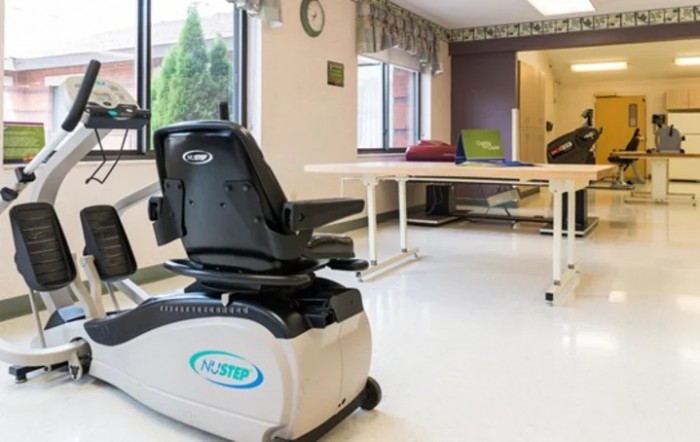
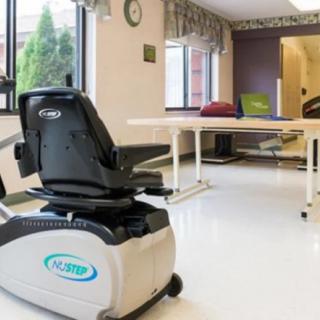
  • Fitness room Fitness roomHaving a fitness room in a senior living community is essential for seniors to stay active, maintain their physical health, and improve their overall well-being. Regular exercise can help prevent falls, reduce the risk of chronic diseases, and promote mental sharpness. It also provides social opportunities for residents to connect with others and enjoy a sense of community.
  • Fully furnished Fully furnishedFully furnished senior living communities are important for seniors because they provide convenience, comfort, and a hassle-free moving experience. Seniors can easily settle into their new living space without the stress of having to buy and move furniture. This allows them to focus on enjoying their new home and community.
  • Gaming room Gaming roomGaming rooms are important for seniors as they provide a fun and engaging environment for socializing, cognitive stimulation, and physical activity. Games can improve memory, problem-solving skills, and overall mental well-being while fostering friendships and reducing feelings of isolation.
  • Garden GardenGardens are important for seniors as they provide a peaceful and therapeutic environment for relaxation, physical activity, and socialization. Being in nature has been shown to reduce stress, improve mood, and promote overall well-being. Gardens also offer opportunities for seniors to engage in gardening activities, which can improve mobility, flexibility, and cognitive function. Additionally, gardens create a sense of community and connection with others who share a passion for plants and outdoor spaces.
  • Housekeeping services Housekeeping servicesHousekeeping services are important for seniors because they help maintain a clean and safe living environment, promote independence, and reduce the risk of accidents or illnesses. Additionally, having assistance with household chores can alleviate physical strain and allow seniors to focus on other aspects of their well-being.
  • Kitchenette KitchenetteKitchenettes are important for seniors living in senior living communities because they provide the convenience and independence of being able to prepare simple meals and snacks in the comfort of their own living space. This can help promote a sense of autonomy and well-being for seniors, allowing them to maintain some level of control over their dietary choices and daily routines.
  • Move-in coordination Move-in coordinationMove-in coordination is important for seniors because it helps ease the transition into their new living environment. It ensures that all logistics, such as packing, organizing movers, and setting up utilities are taken care of, allowing seniors to focus on settling in and adjusting to their new home. Having a smooth move-in process can alleviate stress and anxiety, making the transition smoother and more enjoyable for seniors.
  • Outdoor space Outdoor spaceOutdoor spaces are important for seniors as they provide opportunities for physical activity, social interaction, exposure to natural light and fresh air, and a sense of connection to nature. Having access to outdoor spaces can improve overall well-being and quality of life for older adults living in senior communities.
  • Private bathrooms Private bathroomsPrivate bathrooms are important for seniors in senior living communities because they provide independence, dignity, and comfort. Having a private bathroom allows seniors to maintain their personal hygiene routines without the need for assistance, promoting a sense of autonomy and privacy. Additionally, private bathrooms help prevent the spread of infections and provide a safe and clean environment for seniors to navigate safely.
  • Restaurant-style dining Restaurant-style diningRestaurant-style dining is important for seniors because it allows them to enjoy delicious, nutritious meals in a social and upscale setting. This enhances their dining experience, promotes healthy eating habits, and fosters socialization with fellow residents, ultimately contributing to their overall well-being and quality of life.
  • Small library Small librarySmall libraries are important for seniors as they provide access to a variety of reading materials, including books, newspapers, and magazines. This can help stimulate their minds, keep them engaged, and provide a sense of community through book clubs and other social activities. Additionally, reading has been shown to improve cognitive function and overall mental well-being in older adults.
  • Telephone TelephoneTelephones are important for seniors as they provide a lifeline for communication with loved ones, emergency services, and healthcare providers. They offer a sense of security and independence, enabling seniors to stay connected and access assistance when needed.
  • Wellness center Wellness centerWellness centers are important for seniors because they offer a variety of programs and services that promote physical, mental, and emotional well-being. These centers provide opportunities for exercise, socialization, education, and relaxation, helping seniors maintain their overall health and quality of life.
  • Wi-Fi/high-speed internet available Wi-Fi/high-speed internet availableWi-Fi/high-speed internet is important for seniors to stay connected with loved ones, access online resources, and participate in virtual activities to combat feelings of loneliness and isolation. It also allows them to easily manage healthcare needs, access entertainment, and engage in lifelong learning opportunities.

Transportation

  • Chicago Midway (17 miles away) Chicago Midway (17 miles away)
  • Community operated transportation Community operated transportationCommunity operated transportation is crucial for seniors as it provides them with the means to access essential services, social activities, and medical appointments. It allows seniors to maintain their independence and quality of life by ensuring they can participate in activities outside of their homes. Additionally, community-operated transportation services offer a safe and reliable way for seniors to travel without having to rely on family or friends for assistance.
  • Transportation arrangement Transportation arrangementTransportation arrangements are crucial for seniors as they may face challenges with driving, mobility, or access to public transportation. Having reliable transportation services ensures that seniors can easily attend appointments, social activities, and maintain their independence and quality of life.
  • Transportation arrangement (non-medical) Transportation arrangement (non-medical)Transportation arrangements are essential for seniors as they provide access to essential services, activities, and social interactions outside the home. This service helps maintain independence, mobility, and overall well-being for seniors who may have limited transportation options.
  • Transportation to doctors appointments Transportation to doctors appointmentsTransportation to doctors appointments is crucial for seniors as it ensures they have access to necessary medical care and support, promoting their health and well-being. It allows them to receive timely treatment, monitor existing conditions, and address any new health concerns efficiently. Additionally, transportation services can help seniors maintain their independence and quality of life by enabling them to stay connected with their healthcare providers.

Care Services

  • 12-16 hour nursing 12-16 hour nursing12-16 hour nursing care is crucial for seniors in order to ensure around-the-clock monitoring, timely medication administration, and prompt response to any health concerns or emergencies. This level of care helps to promote the overall well-being and safety of seniors living in senior living communities.
  • 24-hour call system 24-hour call system24-hour call systems are important for seniors because they provide peace of mind and immediate assistance in case of emergencies. This technology ensures that help is always available, promoting safety and security for elderly individuals living alone or in assisted living facilities.
  • 24-hour supervision 24-hour supervision24-hour supervision is important for seniors to ensure their safety, well-being, and access to immediate assistance in case of emergencies or health issues. This constant support provides peace of mind for both seniors and their loved ones, allowing them to age in place with dignity and security.
  • Activities of daily living assistance Activities of daily living assistanceActivities of daily living assistance are important for seniors because they provide essential support with tasks such as eating, bathing, dressing, and mobility. This assistance helps seniors maintain their independence, dignity, and overall quality of life as they age.
  • Assistance with bathing Assistance with bathingAssistance with bathing is crucial for seniors as it helps maintain personal hygiene, prevents infections, and ensures their overall well-being and comfort. It also provides a sense of dignity and independence for seniors who may struggle with this task on their own.
  • Assistance with dressing Assistance with dressingAssistance with dressing is important for seniors because it helps maintain their independence, promotes personal hygiene, prevents accidents and injuries, and improves overall quality of life. This service ensures that seniors can continue to dress comfortably and confidently, despite any physical limitations they may have.
  • Assistance with transfers Assistance with transfersAssistance with transfers is crucial for seniors as it helps prevent falls and injuries, maintains their independence, and ensures they can safely navigate their living environment. It also provides peace of mind for both seniors and their loved ones.
  • Diabetes diet Diabetes dietA diabetes diet is crucial for seniors as it helps manage blood sugar levels, reduce risks of complications, and improve overall health and well-being. By following a balanced and nutritious diet tailored to their specific needs, seniors can better control their diabetes and enhance their quality of life.
  • Meal preparation and service Meal preparation and serviceMeal preparation and service are crucial for seniors as they may have limited mobility or energy to cook nutritious meals. Having access to healthy and convenient food options can ensure they are getting the proper nutrition needed to maintain their overall health and well-being.
  • Medication management Medication managementMedication management is crucial for seniors to ensure they are taking the right medications at the correct dosages and times. This helps prevent adverse drug interactions, reduces the risk of medication errors, and promotes overall health and well-being. Proactive management also allows for adjustments as needed based on changing health conditions or new prescriptions.
  • Mental wellness program Mental wellness programMental wellness programs are essential for seniors as they promote cognitive stimulation, emotional support, and social engagement. These programs help prevent isolation, depression, and cognitive decline, ultimately enhancing the overall quality of life for older adults.
  • Special dietary restrictions Special dietary restrictionsSpecial dietary restrictions are important for seniors because age-related changes in metabolism and health conditions can make it difficult for their bodies to process certain foods. By following a diet tailored to their specific needs, seniors can maintain their overall health and well-being, manage chronic conditions, and reduce the risk of complications such as malnutrition or food interactions with medications.

Dining

  • Diabetes diet Diabetes dietA diabetes diet is crucial for seniors as it helps manage blood sugar levels, reduce risks of complications, and improve overall health and well-being. By following a balanced and nutritious diet tailored to their specific needs, seniors can better control their diabetes and enhance their quality of life.
  • Special dietary restrictions Special dietary restrictionsSpecial dietary restrictions are important for seniors because age-related changes in metabolism and health conditions can make it difficult for their bodies to process certain foods. By following a diet tailored to their specific needs, seniors can maintain their overall health and well-being, manage chronic conditions, and reduce the risk of complications such as malnutrition or food interactions with medications.

Activities

  • Community-sponsored activities Community-sponsored activitiesCommunity-sponsored activities are important for seniors as they provide opportunities for social interaction, mental stimulation, and physical activity. These activities can help improve overall well-being, combat loneliness and isolation, and promote a sense of belonging and purpose among older adults.
  • Concierge services Concierge servicesConcierge services are essential for seniors as they provide assistance with daily tasks and errands, enhance their quality of life by offering convenience and personalized care, and promote a sense of safety and security.
  • Fitness programs Fitness programsFitness programs are crucial for seniors as they help improve strength, flexibility, balance, and overall well-being. Staying active can reduce the risk of chronic diseases, improve mental health, and enhance quality of life in older adults.
  • Planned day trips Planned day tripsPlanned day trips are important for seniors because they offer opportunities for socialization, mental stimulation, and physical activity. They provide a change of scenery and help seniors stay engaged and connected to their community, promoting overall well-being and quality of life.
  • Resident-run activities Resident-run activitiesResident-run activities are important for seniors as they encourage social interaction, creativity, and a sense of autonomy. These activities empower seniors to stay engaged and active in their community while fostering meaningful connections with their peers.
  • Scheduled daily activities Scheduled daily activitiesScheduled daily activities are important for seniors because they provide structure, socialization, mental stimulation, and physical activity. Engaging in regular activities can improve overall well-being and quality of life for seniors living in a community setting.

Description

South Holland Manor Health & Rehab is a premier assisted living community located in South Holland, IL. With a focus on providing residents with the highest level of care and comfort, this community offers an extensive range of amenities and services to meet all of their needs.

The community features a beauty salon where residents can indulge in pampering treatments and hairstyling services. Residents also have access to cable or satellite TV in their private accommodations for entertainment purposes. Community operated transportation ensures easy access to nearby areas, including doctors' appointments and other important destinations.

For those who enjoy staying connected online, there is a computer center equipped with Wi-Fi/high-speed internet. The dining room provides restaurant-style dining experiences where residents can savor delicious meals prepared by professional chefs. Special dietary restrictions are accommodated to ensure every resident's nutritional needs are met.

Residents can maintain an active lifestyle by utilizing the fitness room and participating in fitness programs organized by the community. Additionally, there is a gaming room for recreational activities, along with a small library for book lovers.

South Holland Manor Health & Rehab boasts beautifully landscaped outdoor spaces and gardens where residents can relax and enjoy nature. Housekeeping services ensure that the community remains clean and tidy at all times, allowing residents to focus on enjoying their time here.

Care services at South Holland Manor Health & Rehab include 24-hour call systems and supervision to provide round-the-clock assistance whenever needed. Trained caregivers assist with activities of daily living such as bathing, dressing, and transfers. Medication management is also provided to ensure that residents receive their prescribed medications accurately.

The community offers a mental wellness program aimed at promoting emotional well-being among residents. Meal preparation and service cater to special dietary restrictions such as diabetes diets and other specific dietary needs.

Residents can engage in various activities organized by the community, including planned day trips, resident-run activities, and scheduled daily activities. Concierge services are available to assist residents with any additional requests or needs they may have.

South Holland Manor Health & Rehab is conveniently located near cafes, parks, pharmacies, physicians' offices, restaurants, places of worship, and hospitals. This ensures that residents have easy access to amenities and services in the surrounding area.

Overall, South Holland Manor Health & Rehab provides a comfortable and supportive environment for seniors seeking assisted living care. With its extensive amenities and services, this community is dedicated to enhancing the quality of life for its residents.

Nearby Places of Interest

Hospitals

  • Ingalls Family Care Center (0.3 miles)
  • Community Hospital (3.9 miles)
  • Franciscan Physicians Hospital (4.3 miles)
  • Franciscan Health Emergency Department Munster (4.3 miles)
  • Ingalls Memorial (5.1 miles)
  • Franciscan Health Chicago Heights (6.8 miles)
  • Franciscan Health (6.8 miles)

Restaurants

  • Sonic Drive-In (1 miles)
  • Jack's (2.1 miles)
  • Casa Del Mar Mexican Bar & Grill (3.2 miles)
  • Chick-Fil-A (3.8 miles)
  • Portillo's Hot Dogs (3.8 miles)
  • Three Floyds Brewery & Pub (4.3 miles)
  • White Castle (4.8 miles)

Places of Worship

  • Christ Community Church (1.2 miles)
  • St. Paul's Lutheran School (3.2 miles)
  • Woodmar United Methodist Church (4.1 miles)
  • Illiana Islamic Association (5.9 miles)

Pharmacies

  • Walgreens (1.4 miles)
  • Walgreens (2.3 miles)
  • Walgreens (2.4 miles)
  • Walgreens (2.5 miles)
  • CVS Pharmacy (3 miles)
  • Walgreens (3.4 miles)
  • Walgreens (3.7 miles)

Parks

  • Maicach Park (1.6 miles)
  • Riverside Park (3.4 miles)
  • Beech Park (4 miles)
  • Wicker Memorial Park (5.2 miles)
  • Briar Creek Park (5.4 miles)
  • The Park (5.9 miles)
  • Central Park (7.9 miles)

Physicians

  • Premier Oncology Hematology Associates (3.5 miles)
  • North Point Orthopaedics (4.2 miles)
  • Family Christian Health Center (5 miles)
  • Dr Uppuluri, Dr Patel, Dr Chavin Urology (6.1 miles)
  • East Chicago Dialysis (6.4 miles)
  • University of Chicago Health Specialist (6.7 miles)
  • Pediatric Health Care Assoc (6.7 miles)

Cafes

  • Panera Bread (3.8 miles)
  • Starbucks (4 miles)
  • Starbucks (5.6 miles)
  • Sip Coffee House (5.8 miles)
  • Panera Bread (6.7 miles)
  • Windmill Brewing (6.7 miles)

Transportation

  • Metra (5 miles)
  • Metra/Amtrak (5.5 miles)

Theaters

  • AMC Schererville 12 (7.7 miles)

Frequently Asked Questions

Where is South Holland Manor Health & Rehab?
What photos are available for South Holland Manor Health & Rehab in South Holland, Illinois?

Nearby Communities

  • Arden Courts of South Holland

    Arden Courts of South Holland

    South Holland, IL

    4.6 from 77 reviews
    $5,900 to $6,395 / month

    pro Caring, attentive staff in a clean, home-like memory care setting with engaging activities.
  • Green Oaks of River Oaks

    Green Oaks of River Oaks

    Calumet City, IL

    4.5 from 21 reviews
    $4,260 to $4,470 / month

    pro Intimate 22-bed community with personalized care and competitive pricing.

  • Tri-State Village Nursing & Rehab

    Tri-State Village Nursing & Rehab

    Lansing, IL

    2.9 from 42 reviews
     

    pro Genuine, proactive staff with compassionate family support.

  • St. Anthony of Lansing Supportive Living

    St. Anthony of Lansing Supportive Living

    Lansing, IL

    4.5 from 97 reviews
    $4,400 / month

    pro Welcoming staff, strong sense of community, and clean, well-maintained environment.

  • St. Anthony of Lansing

    St. Anthony of Lansing

    Lansing, IL

    4.4 from 91 reviews
     

    pro Clean, well-kept facility with friendly staff and engaging activities.

  • Healthcare Plus South Holland

    Healthcare Plus South Holland

    South Holland, IL

    4.5 from 86 reviews
     

    pro Close to pharmacies, hospitals, dining, and parks.

  • Silver Birch of Hammond

    Silver Birch of Hammond

    Hammond, IN

    4.5 from 64 reviews
    $3,200 to $3,700 / month

    pro Friendly, attentive staff in a clean, welcoming environment with engaging activities and good dining.

  • Aperion Care Dolton

    Aperion Care Dolton

    Dolton, IL

    3.9 from 62 reviews
     

    pro Warm, welcoming environment with attentive staff and engaging activities.

  • Sheffield Manor Assisted Living

    Sheffield Manor Assisted Living

    Dyer, IN

    4.7 from 3 reviews
    $4,105 to $5,426 / month

    pro Welcoming, home-like environment with clean facilities and responsive staff.

Related Resources

  • who qualifies for home health care servicesComprehensive Guide to Qualifying for Home Health Care Services

    The guide outlines the eligibility criteria for home health care services, emphasizing clinical requirements, insurance options, and application processes. It distinguishes between Medicare's strict and Medicaid's flexible qualifications while addressing challenges families may face in securing necessary care at home.

  • what is elder abusePowerful Realities of Elder Abuse and the Most Effective Ways to Report It

    Elder abuse affects many older adults worldwide and includes physical, emotional, neglectful, and financial harm, with about one in six individuals over 60 experiencing abuse annually. Prevention and intervention strategies focus on awareness, support for caregivers, and mandatory reporting, while recovery necessitates comprehensive support for both physical and emotional needs.

  • caregiver dutiesTen Vital Duties of a Senior Caregiver: A Comprehensive Guide
    The guide details ten essential responsibilities of senior caregivers, including personal care, mobility assistance, medication management, and emotional support, while emphasizing the importance of safety, nutrition, and maintaining a safe living environment to enhance seniors' quality of life and independence.