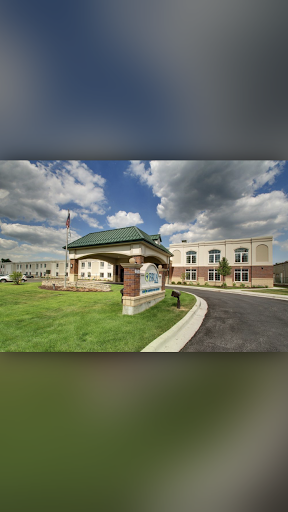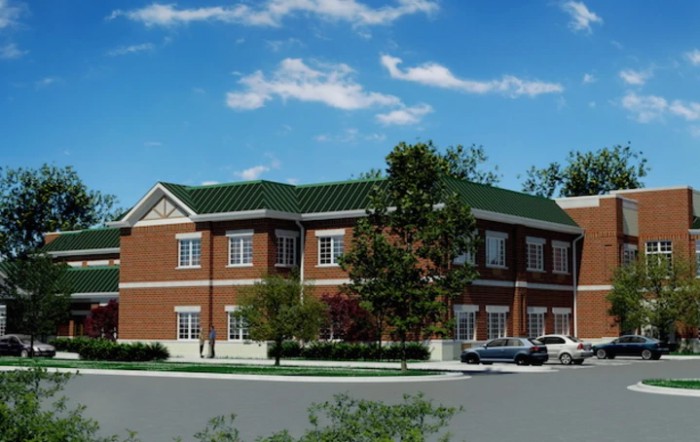
10426 South Roberts, Palos Hills, IL 60465
For more information about senior living options: (866) 208-4318
Overall Review of Bria Of Palos Hills
Pros
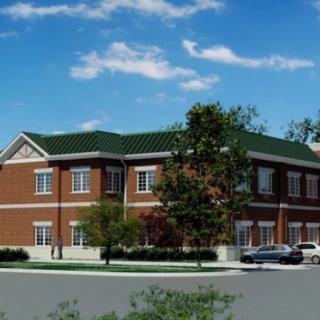
 Bria of Palos Hills is described as a very clean facility with friendly and knowledgeable staff.
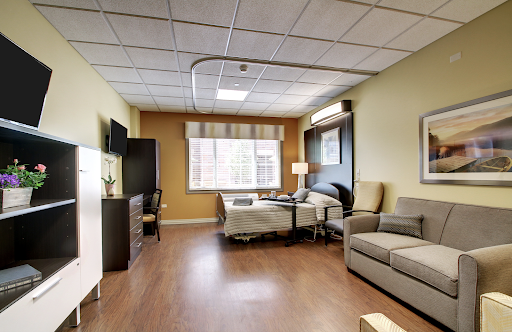
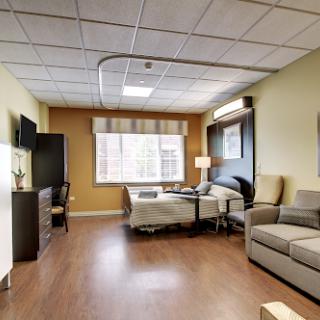
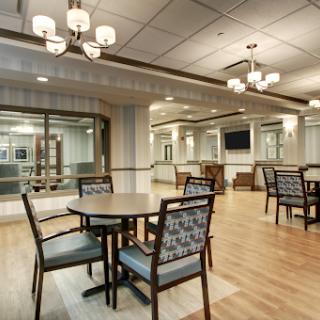
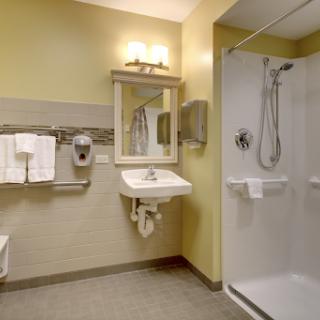
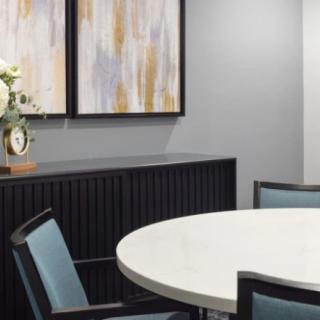
- The rooms are large, bright, and clean.
- The staff is attentive, helpful, and welcoming, contributing to a positive experience.
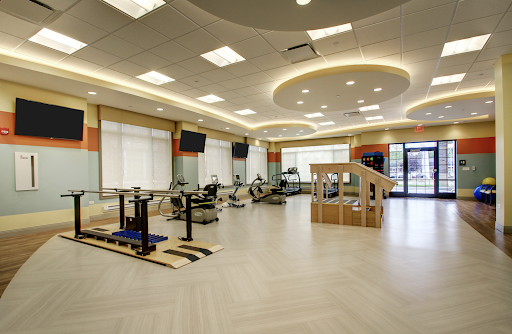
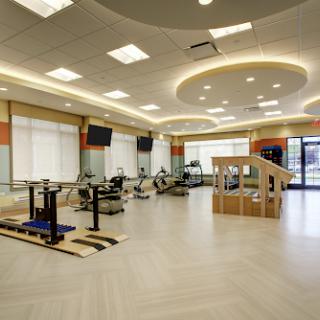
- The rehab team includes effective physical, speech, and occupational therapy with good communication among staff and families.
- Palos Hills Healthcare provides one-on-one care with nurses watching residents around the clock and CNAs who are extremely helpful.
- The facility maintains high cleanliness standards and follows COVID-19 precautions.
- Maggie is praised for going above and beyond to ensure the stay is above expectations.
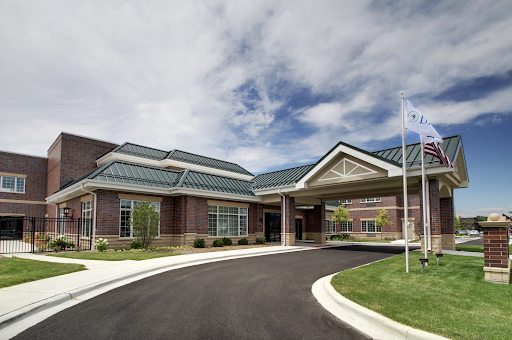
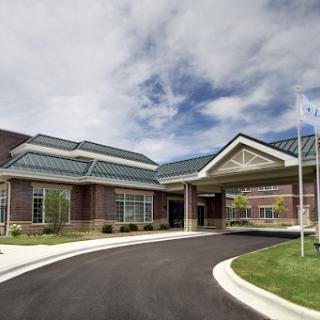
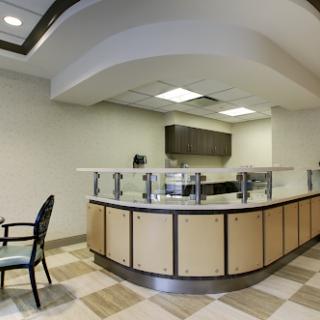
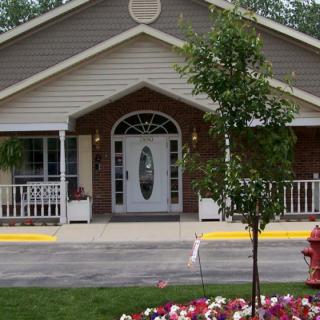
- Maintenance and overall facility conditions are described as well-kept and modern.
Cons
 The staff does not care about the patients and leaves them dirty without proper care.
- Management is ineffective and does nothing to address neglect when concerns are raised.
- The CNAs are unresponsive and staff are often unavailable, with a skeleton crew on weekends.
- The food is described as scraps and not tailored to the patients’ dietary needs.
- Patients are neglected to the point of dehydration, missed meals, or being left in soiled garments for hours.
- The transition from hospital to rehab can be dangerous, leaving patients as fall risks and without timely assistance.
- There are reports of severe harm or death linked to neglect and poor oversight.
Review
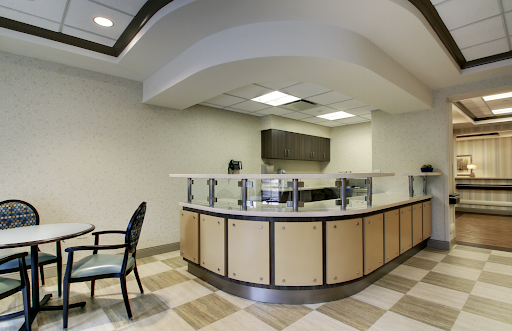
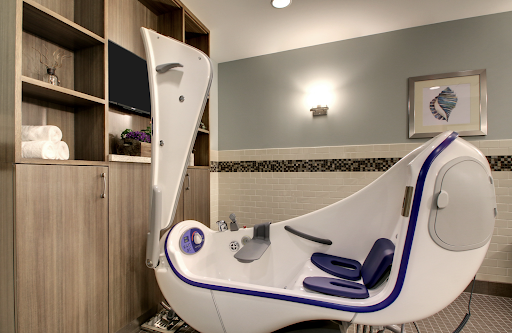
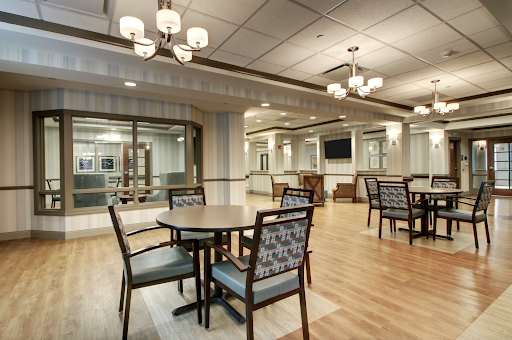
Bria Of Palos Hills is best suited for families that prize a clean, modern, visually appealing setting and a structured rehab environment, provided there is active family oversight and a plan to monitor day-to-day care. The facility’s polish, the bright rooms, well-kept common areas, and purpose-built rehab spaces, can support recovery when staffing is reliable and responsive. It is not the right fit for those who cannot regularly advocate for their loved one or who demand consistently urgent, compassionate attention on every shift. For families that cannot commit to that level of involvement, alternatives with stronger, steadier staffing and clearer accountability should be on the table.
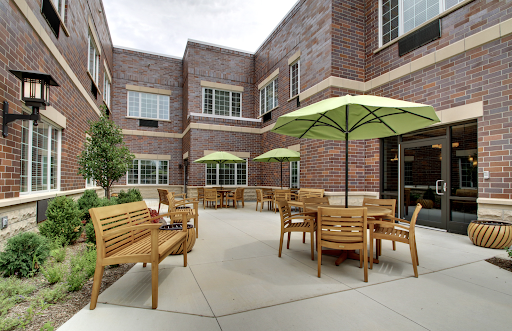
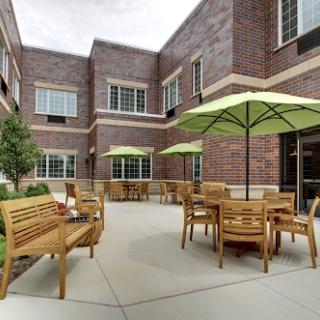
On the upside, Bria’s physical plant offers real value: a modern, clean aesthetic, ample space, and accessible rehab amenities that can support physical therapy and recovery goals. Several reviews praise the rehab pathways and the coordination among therapists, nurses, and activity staff when communication stays open. The setting itself is pleasant, with rooms and public areas maintained and free of unpleasant odors in many cases, and there are instances where individual staff members, such as particular nurses or dedicated aides, go the extra mile to help, creating a positive, homey atmosphere for residents who respond well to supportive, personable care.
Yet the strongest notes in these accounts are the failures of staffing and management to sustain basic, dependable care. Repeated concerns center on unresponsive CNAs and nurses, insufficient care when help is needed, and a pattern of calls or requests being ignored. Families recount episodes of neglect, with patients left uncomfortable or unsupervised for extended periods, and even distressing experiences where essential needs were not met, sometimes escalating to medical crises. Management is described as slow to act or unreachable, with little visible accountability when problems are raised. The most chilling stories involve dire conditions, dehydration, improper hygiene, and miscommunications that erode trust and safety. Food quality is inconsistently mentioned, but where care lapses are present, dietary needs and basic comfort fall by the wayside as well.
These contrasting experiences create a high-stakes dynamic: the same facility that can deliver visible rehab gains and a decent daily routine can also expose residents to neglect on days when staffing is thin. The positive elements, clean environments, engaging rehab therapy, and attentive staff on certain shifts, do offset some of the drawbacks, but only if the organization consistently sustains adequate staffing, clear lines of communication, and rigorous oversight. When those protections are in place, residents may progress, regain function, and enjoy meaningful activities; when they are not, the risk of harm or regression rises sharply, regardless of how nice the rooms and therapy spaces appear.
Prospective families should enter admissions conversations with a sharp checklist. Ask to meet the director of nursing and request recent staff-to-resident ratios by shift, including weekends. Request specifics on call-light response times and how break coverage is managed to prevent “no one answering” scenarios. Review any recent incident reports and speak with current families about how problems are resolved and how quickly management follows up. If memory care or high medical needs are anticipated, probe how care plans are coordinated across nurses, aides, therapists, and physicians, and verify whether there is a stable primary nurse assigned to the resident. If the answers to these questions are shaky, explore other options such as Palos Hills Healthcare or STRIVE facilities in the area that have stronger reputations for consistent, attentive care.
In the end, Bria Of Palos Hills stands as a mixed proposition: a facility that can offer healthy progress and a comfortable, well-maintained environment on days when staffing is robust, but one that carries significant risk for families who cannot be present to oversee care constantly. For families willing to be deeply involved and willing to push for accountability, it can work as a transitional rehab setting. For those prioritizing unwavering, 24/7 reliability and clear, timely communication as nonnegotiables, it is prudent to evaluate alternatives with proven staffing consistency and stronger oversight before committing.
If choosing Bria, approach it as a gated opportunity: tour with an eye on staffing patterns, demand precise commitments on response times, and insist on visibility into daily care routines. Treat any hesitation from administration as a red flag, and prepare a back-up plan from the outset. The right decision hinges on whether the consistent, compassionate, responsive care can be guaranteed, because in this community, outcomes ride as much on who is on the floor as on how nice the lobby looks.
 223 resident community capacity
 Skilled Nursing Facility
 Air-conditioning
 Beauty salon
 Cable or satellite TV
 Computer center
 Dining room
 Fitness room
 Fully furnished
 Gaming room
 Garden
 Housekeeping services
 Kitchenette
 Move-in coordination
 Outdoor space
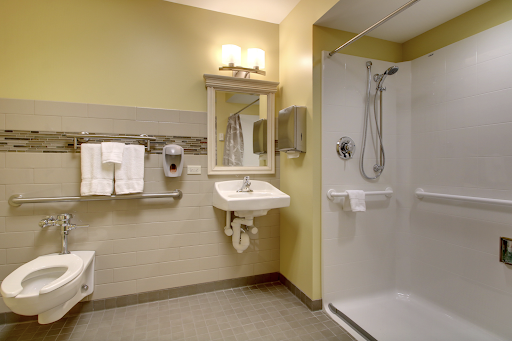
 Private bathrooms
 Restaurant-style dining
 Small library
 Telephone
 Wellness center
 Wi-Fi/high-speed internet available
 Chicago Midway (7 miles away)
 Community operated transportation
 12-16 hour nursing
 24-hour call system
 Activities of daily living assistance
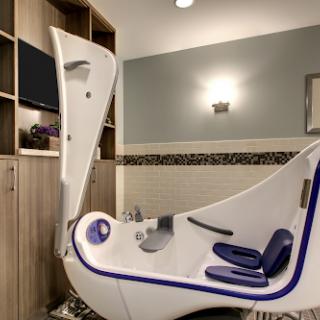
 Assistance with bathing
 Assistance with dressing
 Assistance with transfers
 Diabetes diet
 Medication management
 Mental wellness program
 Special dietary restrictions
 Concierge services
 Planned day trips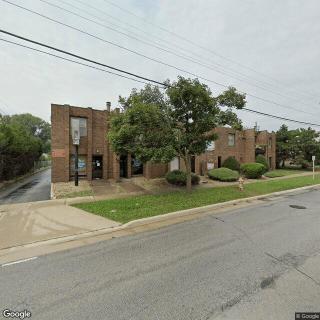

 Highly Beneficial Low-Impact Exercises for Senior Living Residents
 Is In-Home Healthcare Tax Deductible? Your Comprehensive Guide
 Nurturing Well-Being Through Gardening: A Detailed Guide for Senior Enthusiasts