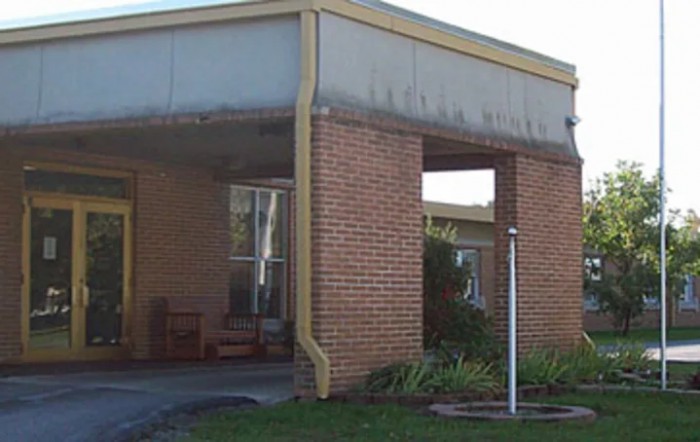
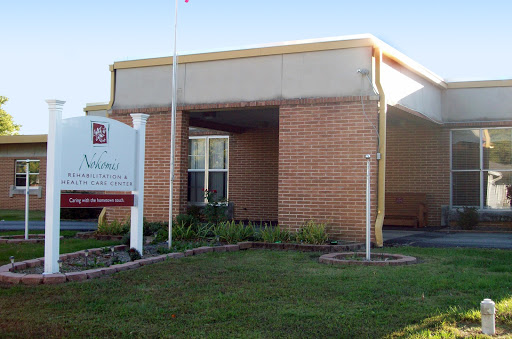
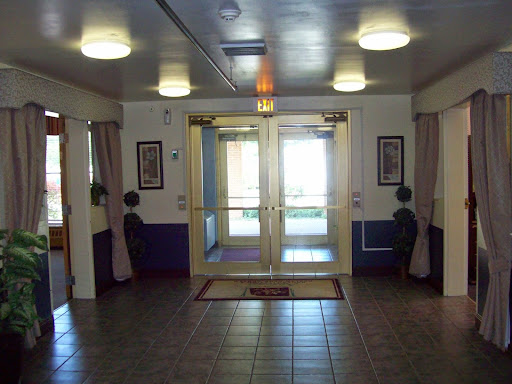
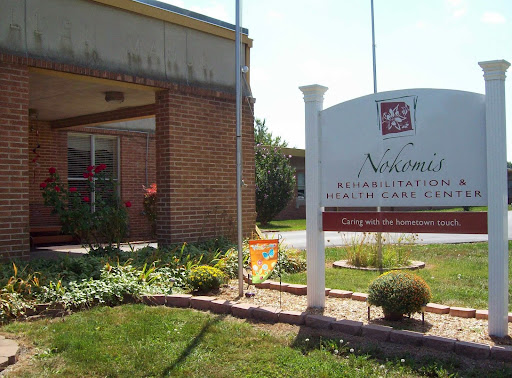
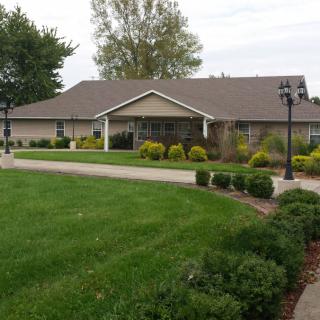
505 Stevens Street, Nokomis, IL 62075
For more information about senior living options: (866) 208-4318
Overall Review of Nokomis Rehab & Health Care Center
Pros
 The management and caregiver team is great and always ready to pull together to help residents and their families.
- The staff is dependable, calm, caring, and trustworthy.
- The facility is a great place for an aging loved one.
Cons
 The reviewer found the care to be pretty horrible.
- The reviewer claimed not all prescribed medications were provided, including the appropriate insulin.
- The reviewer said they were supposed to receive two showers per week but only received one in six weeks.
- The reviewer complained it took three weeks to run a urine analysis for a UTI, despite four weeks of symptoms.
- The reviewer stated the medicine given did not work and no additional tests were performed.
- The reviewer ended up needing two more courses of antibiotics after leaving.
- The reviewer went to the facility after major hip surgery and was not given pain medication despite it being listed as daily medication.
- The reviewer reported pressure sores and diaper rash.
- The reviewer was not a happy camper.
Review
Nokomis Rehab & Health Care Center is best suited for families seeking a dependable, team-driven post-acute rehabilitation and ongoing nursing support where staff cohesion and personal attention are core strengths. The community earns praise for management and caregiver teamwork, with staff described as dependable, calm, caring, and trustworthy. Residents tend to benefit from a culture that pulls together to help achieve individual goals, and families commonly experience clear communication and a steady, predictable routine that supports recovery after surgery or a period of illness. The overall impression is of a facility where a cohesive frontline team can translate planning into steady, day-to-day progress.
That said, several families should explicitly consider alternatives if medical-management rigor is non-negotiable. One clearly negative account underscored gaps in medication management, with reports of not receiving prescribed insulin or adequate pain control after major surgery, delays in necessary tests, and insufficient attention to hygiene and skin care. While this single experience is not presented as universal, it highlights a risk thread: in moments of acute need, the facility may not respond with the speed or precision another setting might require. For residents whose care hinges on rapid diagnostic action, strict adherence to complex med schedules, or aggressive pain management, a hospital-affiliated or highly medically integrated alternative may be a safer fit.
The strongest asset here is the staff culture. When care teams function in harmony, families notice consistent, approachable caregivers who stay the course with residents through rehab goals and daily routines. The sense that management and front-line staff will rally together to support a resident’s progress can translate into steadier progress for rehab plans, better day-to-day oversight, and fewer transfer concerns. This is the kind of environment where a resident can rebuild confidence after surgery or adjust to new routines with a sense of security that the care team is aligned around the same objectives.
Yet the principal cons cannot be dismissed. The most salient concerns center on medical oversight and timely treatment. The reported gaps, delays in pain control, incomplete medication adjustment, postponed diagnostic testing, and care lapses that affected comfort and skin integrity, pose real questions about how medical issues are escalated and resolved. When such gaps occur, they can undermine rehab momentum, erode trust, and threaten comfort during recovery. Even though the positive, patient-centered approach of the staff can blunt some of these risks, the sting of delayed or inadequate medical response remains a meaningful consideration for families.
These strengths and weaknesses interact in a practical way: the reliable, compassionate staff can offset many day-to-day stressors and keep a resident engaged in recovery, but they cannot fully substitute for robust, on-demand medical management. Families prioritizing a calm, involved caregiving team should enter with clear expectations and a proactive stance on medical oversight. Before admission, insist on a detailed med-management plan, confirm nurse coverage for routine rounds and urgent concerns, and request a concrete process for timely testing and pain control. If possible, review recent care protocols, wound-care capabilities, and the facility’s approach to pressure-area prevention to ensure alignment with the resident’s needs.
In the end, Nokomis Rehab & Health Care Center offers a practical, grounded choice for families who prize dependable staff, collaborative goal-setting, and a stable recovery environment. It suits residents who respond well to a cohesive care team and who can thrive with structured routines and attentive daily support. Families should proceed with a vigilant stance on medical oversight, ask pointed questions about medication management and testing timelines, and compare with facilities that offer stronger on-site medical integration if rapid, aggressive medical management is a central criterion. The decision rests on balancing the comfort of a steady, compassionate caregiving culture against the degree of medical immediacy and oversight that the resident requires.
 92 resident community capacity
 Skilled Nursing Facility
 Air-conditioning
 Beauty salon
 Cable or satellite TV
 Computer center
 Dining room
 Fitness room
 Fully furnished
 Gaming room
 Garden
 Housekeeping services
 Kitchenette
 Move-in coordination
 Outdoor space
 Private bathrooms
 Restaurant-style dining
 Small library
 Telephone
 Wellness center
 Wi-Fi/high-speed internet available
 Community operated transportation
 12-16 hour nursing
 24-hour call system
 Activities of daily living assistance
 Assistance with bathing
 Assistance with dressing
 Assistance with transfers
 Diabetes diet
 Medication management
 Mental wellness program
 Special dietary restrictions
 Concierge services
 Planned day trips




 In-Home Care Costs in 2025: A Detailed State-by-State Exploration
 Understanding Home Health Care: A Comprehensive Guide
 Home Health Care Demystified: A Comprehensive Guide for Families and Caregivers