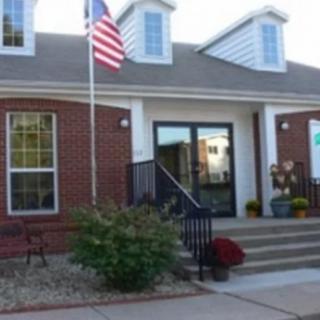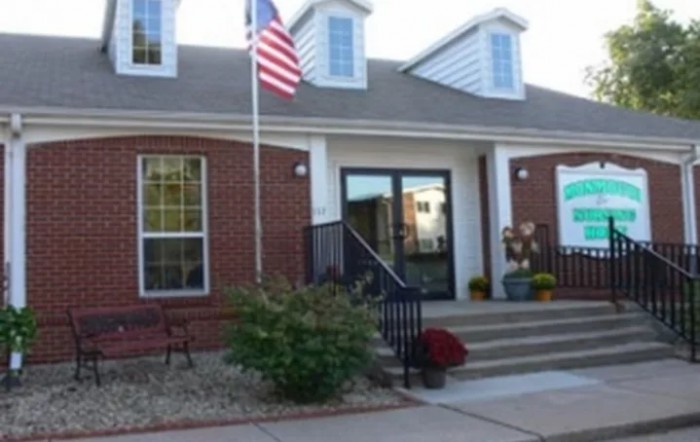
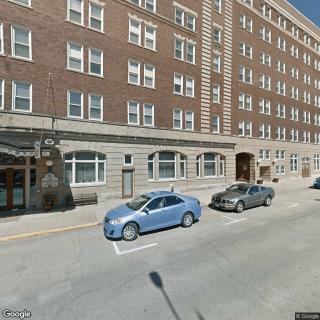
117 South I Street, Monmouth, IL 61462
For more information about senior living options: (866) 208-4318
Overall Review of Community Care Center Of Monmouth
Pros
 The staff provide the best care and are simply amazing.
- They truly care about the residents.
- The facility is small but full of love.
- The care was exceptional.
- The compassion shown at Community Care Center was remarkable.
- The staff pull together to get the job done.
Cons
 The facility is described as neglectful, with a family member almost dying due to delays in transferring to the hospital.
- The facility was found guilty of improper nursing.
- The reviewer warns that this place should not be used for a loved one, implying it is dangerous and not recommended.
- The facility had a bed bug outbreak for months and did not address it, with spraying deemed insufficient.
- The review explicitly states no stars for the place, urging others not to recommend it.
Review
Community Care Center of Monmouth is best suited for families seeking a small, home-like environment where the care team appears genuinely devoted to residents. The facility’s strength lies in intimate, hands-on attention from staff who can form real connections with individuals and families. For seniors who thrive on personal warmth and near-constant staff accessibility, this setting can feel like a comforting, neighborly place to age in place. The upside is a tightly knit atmosphere where residents are known by name and caregivers often go the extra mile to provide comfort in daily routines. This is a stipend of quality for those who prioritize relational care over institutional scale.
Those who should seriously consider alternatives are residents with high-acuity medical needs or those requiring rigorous, consistently predictable safety oversight. The reviews reveal a troubling spectrum: incidents suggesting neglect, hesitancy to escalate to hospital care, and gaps in emergency responsiveness. Families with loved ones who have complex wounds, dehydration, septic risk, or fragile medical stability may need a setting with more robust nursing coverage, daily physician oversight, and stronger incident management protocols. For anyone prioritizing ironclad safety and rapid escalation of medical issues, other facilities will likely deliver more consistent outcomes.
The apparent pros, genuine compassion, a small, intimate environment, and a staff that clearly cares, do offset some concerns when evaluated in context. For residents who respond positively to dedicated caregivers and who do not require heavy medical interventions, the warmth and familiarity can translate into meaningful quality of life. The challenge is whether that emotional and social care can coexist with dependable medical safety. In this contrast, the strongest offset is the trust families place in a team that is consistently present and attentive; the weakest signal is the potential for dangerous lapses in care and delayed escalation.
Yet the negative signals are hard to overlook. Multiple reviews point to serious concerns about safety and accountability: reports of neglect, delays in transferring to hospital when urgent, and a bed bug problem that persisted for months without a clear, effective remediation plan. These issues illuminate a core risk, an inconsistency in critical safety processes that can endanger residents in acute situations. In a setting where medical fragility can shift quickly, such gaps cannot be treated as minor flaws. The small size and close-knit staff may help in many ways, but they do not substitute for proven systems that prevent harm.
Practical decision steps sharpen the choice. Prospective families should request and scrutinize the latest state inspection reports and any corrective-action plans, then verify current staffing levels, including nurse availability and on-site medical oversight. Ask for transparent caregiver-to-resident ratios, specific protocols for emergency transfer, and a detailed infection-control and pest-management plan with measurable timelines. A trial visit or short-term stay can reveal how the team handles real-time changes in a resident’s condition. Compare these findings against other nearby facilities that demonstrate stronger safety records and more consistent medical responsiveness.
In the end, Community Care Center of Monmouth presents a compelling contradiction: it can deliver genuine warmth and a sense of belonging in a small setting, but safety and responsiveness gaps significantly temper that appeal. For families who prize everyday compassion and can tolerate elevated risk with careful oversight, the facility may be a workable choice, provided stringent checks are in place. For those whose loved ones depend on steady medical monitoring, rapid escalation of care, and proven infection control, stronger alternatives will be the prudent path. The final decision should hinge on the resident’s medical needs, risk tolerance, and the ability to secure transparent, verifiable safeguards before committing.
 59 resident community capacity
 Skilled Nursing Facility
 Air-conditioning
 Beauty salon
 Cable or satellite TV
 Computer center
 Dining room
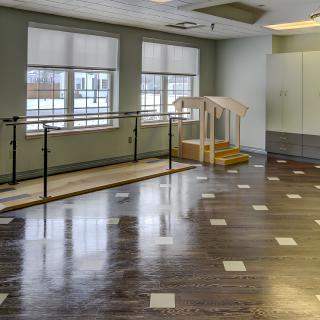
 Fitness room
 Fully furnished
 Gaming room
 Garden
 Housekeeping services
 Kitchenette
 Move-in coordination
 Outdoor space
 Private bathrooms
 Restaurant-style dining
 Small library
 Telephone
 Wellness center
 Wi-Fi/high-speed internet available
 Community operated transportation
 12-16 hour nursing
 24-hour call system
 Activities of daily living assistance
 Assistance with bathing
 Assistance with dressing
 Assistance with transfers
 Diabetes diet
 Medication management
 Mental wellness program
 Special dietary restrictions
 Concierge services
 Planned day trips



 Comprehensive Guide to Blood Pressure Charts for Older Adults: Understanding Normal and High Readings by Age
 Financing Long-Term Nursing Home Care Through Social Security: A Thorough Exploration
 Essential Knowledge on Pneumonia in Older Adults