

261 North Linwood Rd., Galesburg, IL 61401
To contact a resident: (309) 344-4100
For more information about senior living options: (866) 208-4318
Overall Review of Woodridge Supportive Living
Pros
 The staff are amazing and residents are well cared for.
- The facility is clean and well maintained.
- There is always a smiling face at Woodridge Supportive Living.
- The staff show genuine care for residents, and employees are well supported.
- The care at Woodridge stands out for its quality, and residents appear happier.
Review
Woodridge Supportive Living in Galesburg, IL is best suited for seniors who prize hands-on, compassionate care delivered by a stable, personable staff and a clean, orderly environment. The voices backing this community repeatedly highlight care that feels intimate and attentive, with residents appearing well cared for and staff consistently greeting each day with a smile. For families seeking dependable daily oversight, predictable routines, and a warm, resident-centered atmosphere, Woodridge delivers in a way that translates into real peace of mind.
The strongest argument to choose Woodridge centers on the staff. Review after review emphasizes “amazing staff” and care that seems to extend beyond the basics, with workers who appear genuinely invested in residents’ welfare. The facility is described as very clean, which is not incidental in a supportive living setting; it reinforces safety, comfort, and everyday dignity. Even when staff are evaluated by those who work there, the impression is that employees themselves are treated well, which typically trickles down into steadier, more attentive care. In short, the human element is the differentiator: reliable presence, steady routines, and a relational warmth that makes the environment feel like a true home.
Cleanliness and atmosphere matter as well, delivering tangible benefits to daily life. A consistently tidy, well-kept setting reduces anxiety for families navigating senior care and supports residents’ sense of normalcy and pride in their surroundings. When residents “are happier” and smiley faces appear at every entry, that social energy becomes part of the care plan, a quiet but powerful contributor to mood, participation, and overall wellbeing. For those who value an atmosphere where housekeeping, maintenance, and personal care align seamlessly, Woodridge offers a credible, practical strength that supports both independence and supervised assistance.
Given the strong positives, it is prudent to acknowledge who may want to consider alternatives. Families whose loved ones require more specialized medical oversight, intensive memory-care programming, or a broader continuum of care might look at facilities with explicit dementia care tracks, post-acute rehab, or larger medical teams. Similarly, if transportation logistics, day-to-day activity variety, or access to specific therapies are non-negotiable, those needs should be verified directly with Woodridge or compared against other communities that explicitly advertise those features. This is not a critique of Woodridge, but a reality check for families balancing day-to-day quality with evolving medical or social requirements.
In weighing the pros and cons, the scales tilt solidly toward Woodridge for residents who prioritize staff reliability and a pristine environment as core values of daily life. The absence of publicly noted drawbacks in the reviews, coupled with consistently high praise for care quality and cleanliness, suggests a facility that minimizes common pain points: neglect, disorganization, or a disjointed social scene. Where questions remain, they relate to individual needs that may exceed what a supportive-living model typically delivers, rather than to any failure of the community itself. For most, the proven strengths in staffing and environment substantially offset the usual concerns families weigh when choosing a companion home for aging loved ones.
The practical path forward is clear. Families considering Woodridge should schedule a face-to-face encounter focused on staff interaction, observe how caregivers engage with residents, and request a tour of living spaces to assess cleanliness, safety features, and home-like comfort. Ask for specifics on staff-to-resident ratios, typical daily schedules, and the range of activities available, including transportation options and any enrichment programs. Bring questions about pricing inclusions, what is covered, and how cost might evolve over time. If memory care, rehab, or a broader continuum of care becomes relevant, verify that those services are available and integrated. For those who can operate within what Woodridge clearly offers, a choice grounded in proven staff devotion and a clean, welcoming environment is a prudent, well-supported decision.
 Assisted Living
 Activities on-site
 Devotional services off-site
 Indoor common areas
 Ambulatory care
 Diabetic care
 Meals provided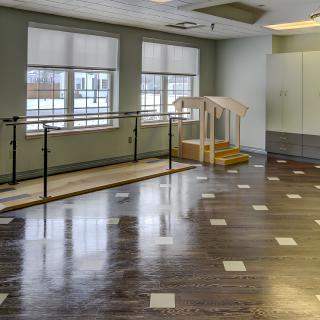




 Comprehensive Insights into Activities of Daily Living (ADLs) and Their Assessment
 Medicare Coverage for Assisted Living: An In-Depth Exploration
 Choosing the Right Senior Care: A Detailed Exploration of Assisted Living and Nursing Homes