
1384 N. Henderson Street, Galesburg, IL 61401
To contact a resident: (309) 343-5565
For more information about senior living options: (866) 208-4318
Galesburg Towers Costs & Pricing
Galesburg Towers offers a compelling cost structure for its residents, particularly when compared to the broader financial landscape of Warren County and the state of Illinois. With a monthly rate of $600 for a one-bedroom unit, Galesburg Towers stands out as an attractive option amidst significantly higher averages; the county's average is approximately $2,973, while the state-wide figure reaches around $3,527. This notable difference highlights Galesburg Towers as not only an affordable choice but also a strategic option for those seeking quality living arrangements without the burden of excessive costs typically associated with housing in this region.
| Floor plans | Galesburg Towers | Warren County | Illinois |
|---|---|---|---|
| 1 Bedroom | $600 | $2,973 | $3,527 |
Overall Review of Galesburg Towers
Pros
 They love this place.
- The rental application interview is prompt and sincerely helpful.
- The interview thoroughly explains regulatory obligations.
- The interior is well-maintained with pleasant outdoor seating in the communal courtyard.
- The staff are committed to treating people with care and dignity.
Cons
 Management would do nothing about it.
- Management decided last minute to allow smoking anyway.
- Marijuana is smoked in the building and is an infringement on residents' rights for a peaceful and comfortable place to call home.
- The environment is such they allow smoking in the building.
- It filters into her apartment.
- They would not recommend applying here.
Review
Galesburg Towers is best suited for seniors who want a warm, resident-centered atmosphere and a well-maintained living environment, where staff demonstrations of care and dignity are consistently evident. The community delivers a reassuring sense of daily order, reliable maintenance, and accessible onboarding through a prompt, thorough rental interview. This is a place where the courtyard and communal spaces invite socialization, and where staff emphasize treating residents as family. The practical reader will recognize value in the dependable interiors and the clear path to move-in logistics. The key caveat is the persistent reality of smoking in the building, which colors comfort levels for non-smokers and those sensitive to secondhand exposure.
On the positive side, the interior is repeatedly described as well-kept, with a pleasant communal courtyard that supports leisurely visits and casual gatherings. Prospective residents will appreciate the straightforward, sincere interview process that spell out regulatory obligations and expectations, helping families navigate licensing, rules, and rights without ambiguity. The overarching culture, expressed in statements about care and dignity, signals a supportive environment where staff aim to treat residents with respect and humanity. Those features translate into reliable day-to-day quality, clean spaces, orderly common areas, and a responsive reception during the application phase.
Yet the dominant drawback centers on smoke infiltration and the related safety and comfort concerns. Residents report secondhand smoke drifting into apartments and describe marijuana use within the building, elevating worries about peaceful enjoyment, air quality, and overall well-being. The most troubling element is that management has been perceived as unresponsive or inconsistent in addressing these issues, even after renovations. The sense that the buildingā€™s smoking policy was altered at the last minute undermines trust in enforcement and leaves residents feeling exposed, particularly those who cannot tolerate smoke in shared air.
These contrasting dynamics must be weighed carefully. The strong maintenance standard, friendly staff demeanor, and welcoming admissions process create a solid baseline for day-to-day living and community interactions. The courtyard, outdoor seating, and a culture of clear communication around obligations help relieve the friction of moving into a new setting. However, the smoke reality directly undercuts these strengths for non-smokers and individuals with sensitivities, limiting the reliability of a smoke-free living experience and potentially compromising sleep, health, and overall comfort over time.
For families considering alternatives, non-smokers or those requiring strict enforcement of a smoke-free policy will likely want to compare options. Look for communities that explicitly separate smoking from living spaces, enforce a robust no-smoking rule, and demonstrate consistent responses to complaints. Prospective residents should ask pointed questions about unit versus common-area smoking allowances, any designated outdoor zones, and air-filtration or ventilation measures. Verifying recent enforcement history and requesting to speak with current residents can reveal whether the promised care culture translates into lived experience amid smoke-related challenges.
In practical terms, the next steps are clear. Seek a current, written policy on smoking and air quality, including designated areas and enforcement outcomes. Arrange conversations with several residents to gauge consistency of experience and satisfaction beyond marketing language. Visit during typical activity hours to observe noise, smell, and how well smoke issues are managed in practice. Review the lease for clarity on non-smoking expectations, nuisance protections, and remedies. If a truly smoke-controlled, consistently enforced environment is non-negotiable, Galesburg Towers may still be a fit only with explicit policy commitments and demonstrated enforcement; otherwise, exploring alternatives with stronger smoke containment and resident-rights protections will likely yield steadier long-term comfort and peace of mind.
 Active Adult Communities (55+)
 Cats allowed
 Dogs allowed
 Activities on-site
 Devotional services on-site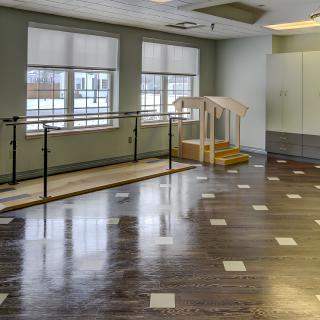







 Navigating Medicare Coverage for In-Home Care Services
 In-Home Care Costs in 2025: A Detailed State-by-State Exploration
 Understanding Home Health Care: A Comprehensive Guide