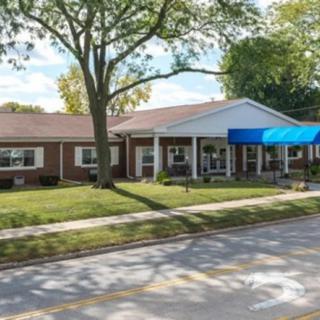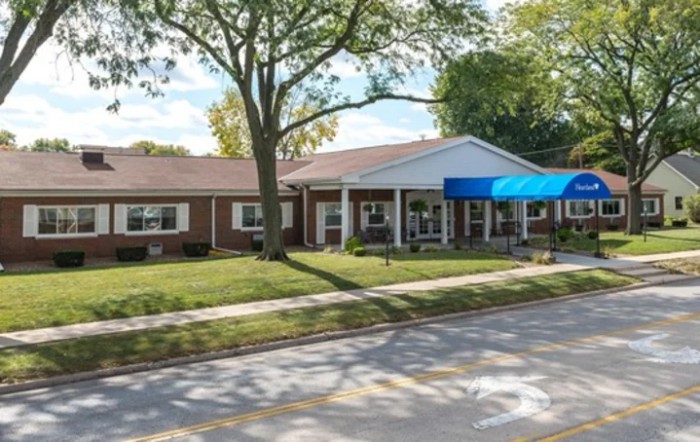
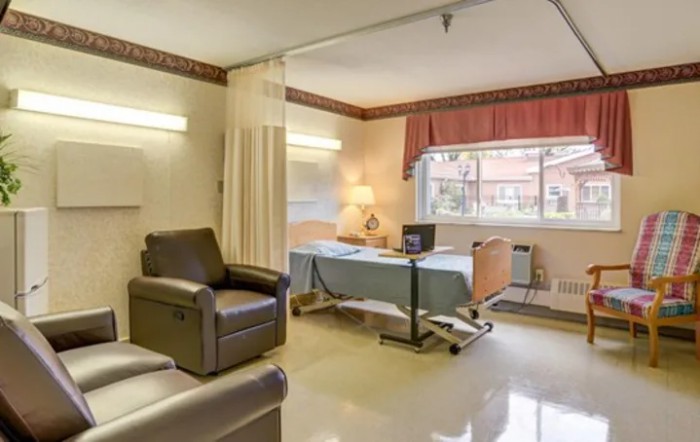
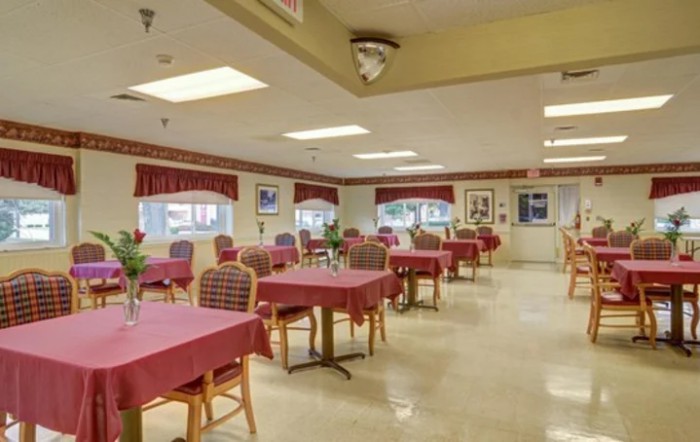
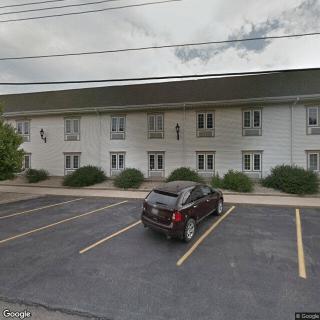
280 East Losey Street, Galesburg, IL 61401
For more information about senior living options: (866) 208-4318
Overall Review of Heartland Of Galesburg
Pros
 The facility is clean and the staff are great.
- The CNAs and nurses are good and truly care about the residents.
- The nurses are very polite and caring toward residents.
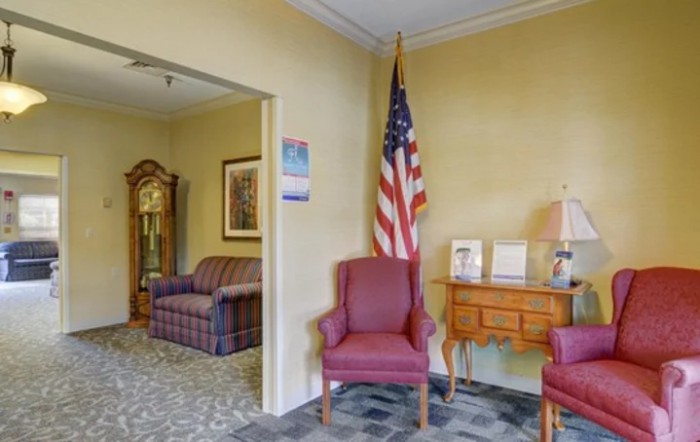
- The facility is very clean, the staff are attentive, and the food is good.
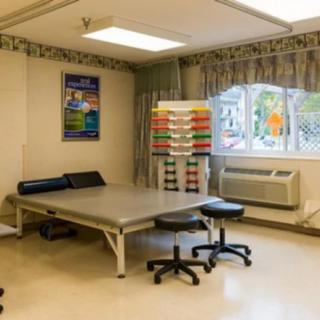
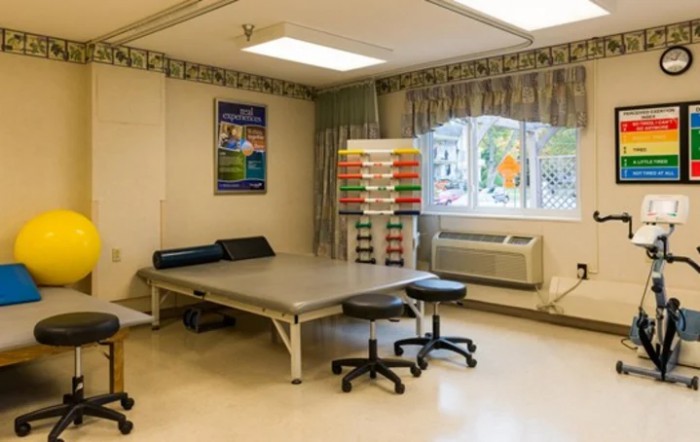
- The rehabilitation staff, including physical, occupational, and speech therapists, are professional and superb.
- The therapy team creates plans tailored to residents’ needs and helps them regain independence.
Cons
 The facility is a disgrace.
- No nursing care occurs there.
- The care provided was deplorable.
- The loved one's condition deteriorated every week and he died.
- Care was inconsistent, improving in hospital but deteriorating upon return.
Review
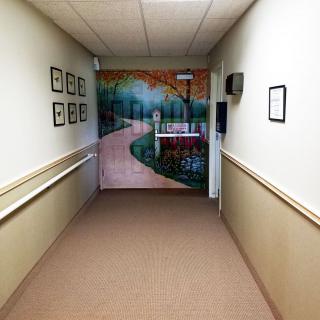
Heartland Of Galesburg is best suited for seniors who need skilled nursing rehabilitation with a robust therapy program and a clean, attentive living environment, with the explicit goal of returning home. The center appears designed around a rehabilitation pathway: daily therapy across physical, occupational, and speech modalities, individualized plans, and a team that keeps progression focused on functional milestones. For families prioritizing rapid improvement and concrete discharge targets, Heartland offers a compelling combination of professional therapy, goal-oriented care, and a well-maintained setting where residents can feel seen and engaged as they work toward regaining mobility and independence.
Nevertheless, certain realities warrant careful scrutiny. Those who require unwavering, always-on nursing oversight and continuous medical management may want to consider alternatives. A single sharply negative account raises a red flag about potential inconsistencies in long-term nursing care. If complex medical needs, significant frailty, or fragile health trajectories demand highly reliable 24/7 coverage and predictable clinical responsiveness, a facility with a proven track record in sustained, high-acuity supervision could be a safer fit. Families should be prepared to probe staffing stability, admission-to-discharge oversight, and the facility’s approach to monitoring changes in a resident’s condition before committing.
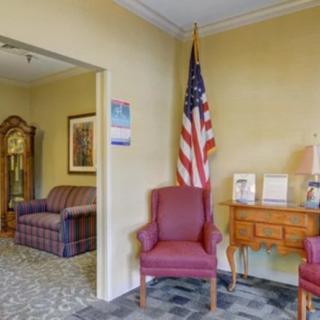
On the strength side, the most consistent and compelling positives center on cleanliness, attentiveness, and the quality of the rehabilitation program. The building earns praise for being clean and well-kept, and the staff, particularly CNAs and nurses, receives frequent commendations for genuine care and engagement with residents. The rehabilitation team is described as professional and dedicated, delivering therapy every day and crafting a plan tightly aligned to individual capabilities. The emphasis on a customized trajectory to regain function stands out as a core asset, with many reviews confirming tangible progress in walking, eating, and daily independence. Food quality and general atmosphere also surface as advantages, reinforcing a sense of dignity and comfort in daily life.
Yet the most cautionary note in the collection cannot be dismissed. A grave, persistent critique describes deplorable nursing care, dramatic weight loss, and a trajectory of deterioration whenever the resident is reassigned to hospital care and then back to the facility. That experience, if representative rather than anecdotal, implies a serious flaw in continuity of care or medical management that could overshadow the rehab gains. Such a discrepancy between glowing therapy reports and severe nursing-care accusations signals substantial variability in resident experiences. This calls for rigorous due diligence: verify current staffing models, nurse-to-resident ratios, and the presence of reliable oversight and escalation protocols; seek candid conversations with the administrator and therapy leadership; and request detailed examples of how care plans are monitored and adjusted at all hours.
In decision terms, the facility’s rehab strengths can offset many concerns for families whose goal centers on getting a resident home quickly and safely. Where the emphasis is on daily, intensive therapy that yields measurable functional gains, Heartland delivers, backed by attentive caregivers and a clean environment that reduces infection risk and enhances well-being. Those gains matter most when a discharge to home is anticipated within a relatively short time frame, and when family members can participate in progress reviews and discharge planning. However, if the decision hinges on guaranteed, consistent nursing quality over the long haul, especially for residents with ongoing medical instability or high vulnerability, the guarded view must prevail. The troubling review cannot be dismissed as an outlier without verification; it represents a real, risk-specific consideration that could reshape priorities.
The practical conclusion is clear. Heartland Of Galesburg is a solid option for rehab-focused care where the objective is meaningful functional improvement and eventual return to community living. It excels in therapy intensity, personalized planning, staff attentiveness, and a clean, supportive atmosphere. Yet the decision should be anchored in a thorough, candid assessment of current nursing staffing and governance. Prospective families are advised to request a detailed, resident-specific care plan, observe a therapy session, and meet with both the director of nursing and the therapy supervisor. In parallel, ask about recent quality metrics, recent hospital transfer patterns, and how care coordination between nursing, therapy, and medical oversight is executed day-to-day. For those comfortable with a potential couple of risk factors and confident in the rehab pathway, Heartland is worth pursuing; for others, especially where continuous medical management cannot be guaranteed, exploring alternatives where nursing stability is the primary priority may be the wiser course.
 84 resident community capacity
 Skilled Nursing Facility
 Air-conditioning
 Beauty salon
 Cable or satellite TV
 Computer center
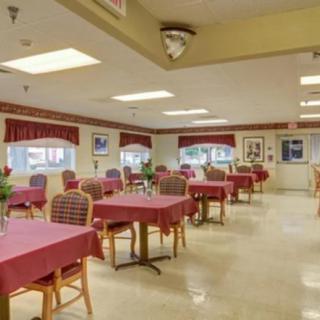
 Dining room
 Fitness room
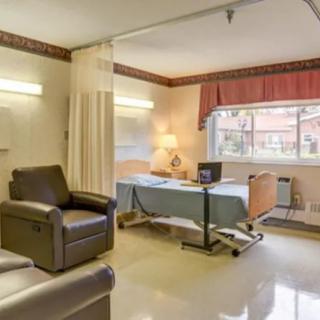
 Fully furnished
 Gaming room
 Garden
 Housekeeping services
 Kitchenette
 Move-in coordination
 Outdoor space
 Private bathrooms
 Restaurant-style dining
 Small library
 Telephone
 Wellness center
 Wi-Fi/high-speed internet available
 Community operated transportation
 12-16 hour nursing
 24-hour call system
 Activities of daily living assistance
 Assistance with bathing
 Assistance with dressing
 Assistance with transfers
 Diabetes diet
 Medication management
 Mental wellness program
 Special dietary restrictions
 Concierge services
 Planned day trips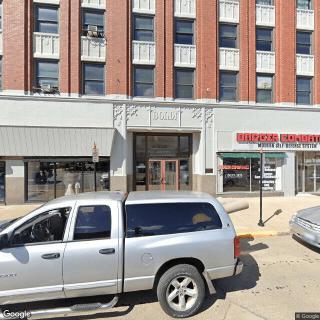

 Understanding the Nuances of Palliative Care and Hospice: A Comprehensive Exploration
 Fecal Incontinence in Older Adults: A Comprehensive Guide
 Nurturing Well-Being Through Gardening: A Detailed Guide for Senior Enthusiasts