
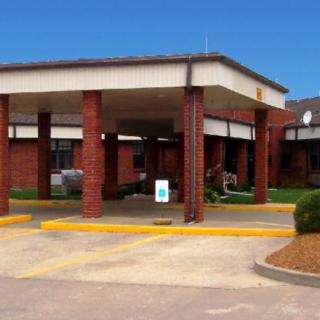
101 North B Street, La Harpe, IL 61450
For more information about senior living options: (866) 208-4318
Overall Review of Laharpe Davier Health Care Center
Pros
 Monica is dependable and capable.
- Dr. Reed listens and strives to find answers.
- Dr. Reed genuinely cares about her patients.
- Dr. Reed has given the reviewer new hope in doctors.
- The staff at Memorial are friendly and helpful.
Cons
 The staff member forgot to give them a date for the appointment.
- They were chewed out over the confusion.
- They were told an appointment would be scheduled on a Monday, but no date was provided.
- They are tired of doctors who rubber-stamp patients and don’t make any changes.
Review
This community is best suited for seniors who value a steady, attentive medical relationship over flawless administrative logistics. The standout asset is the medical leadership, especially the physician who consistently listens, probes for underlying causes, and resists the trap of simply rubber-stamping care. A resident who wants a clinician willing to explore options and tailor answers to changing health needs will find this center compelling. The positive note that staff at Memorial are generally friendly and helpful reinforces a core strength: trustworthy clinical engagement paired with a supportive, if imperfect, front-desk experience. In short, medical continuity and thoughtful problem-solving trump minor scheduling quirks for those who prioritize clinical partnership.
Families should consider alternatives if the top criteria center on administrative reliability and consistently courteous communications. When the pace of life for an elder depends on precise appointment dates and predictable, respectful interactions at the front desk, the current pattern may fall short. The reviews suggest that administrative friction can surface as unclear scheduling dates, delays in confirming visits, and moments of dismissive tone. For families who cannot tolerate ambiguity or rude exchanges, a setting with stronger, more consistent front-office protocols could provide greater day-to-day peace of mind. This is a meaningful caveat for those balancing medical needs with dependable logistics.
On the positive side, the primary physician relationship offers substantial value. Dr. Reed is described as someone who listens, seeks real answers, and demonstrates genuine care across the spectrum of health concerns. This kind of engagement can translate into better symptom management, clearer explanations, and a more collaborative approach to long-term planning. The ability to connect with a clinician who treats patients as partners rather than problems is a meaningful offset to some administrative imperfections. For residents with complex health profiles, this level of medical partnership can translate into fewer false starts and more targeted, effective care.
The main drawbacks are firmly rooted in administrative communication. The narrative includes delayed or unclear scheduling for routine tests and follow-up appointments, and a dated impression of being reprimanded when inquiries were mishandled. A single staff reference to a person (for example, Monica) offers a bright spot, but the overall pattern points to inconsistent date-setting, variable accountability, and front-line interactions that can feel abrasive. These issues matter because consistent scheduling and respectful communication directly influence a senior’s daily stability, the ability to prepare for care needs, and the family’s confidence in the center’s operational reliability.
Balancing the positives and negatives, the center remains a sensible choice for families prioritizing medical quality and patient-centered care, provided there is a tolerance for administrative variability. The strong physician connection and generally friendly staff can deliver meaningful health outcomes and a sense of security through thoughtful, responsive medical attention. However, the administrative gaps should not be underestimated; they can compound stress, disrupt care plans, and erode trust if left unaddressed. The prudent path is to verify the center’s scheduling processes, request written confirmations, and if possible, designate a single point of contact for appointment logistics to minimize miscommunications.
For families exploring options, early next steps should include a candid visit focused on the care team and the front office workflow. Meet Dr. Reed and ask about how care plans are updated when health issues evolve. Observe how staff handle appointment confirmations and whether there is a reliable system to deliver dates and reminders. If a smooth, respectful scheduling experience is non-negotiable, compare nearby facilities with tighter front-desk protocols and guaranteed time slots. If continuity of medical care and a caring physician are paramount, this center delivers those strengths with the caveat that administrative discipline may require ongoing attention and activity from the family to ensure alignment and timeliness.
 45 resident community capacity
 Skilled Nursing Facility
 Beauty salon
 Cable or satellite TV
 Dining room
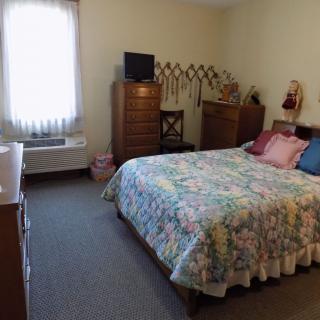
 Fully furnished
 Garden
 Housekeeping services
 Kitchenette
 Move-in coordination
 Outdoor space
 Restaurant-style dining
 Small library
 Telephone
 Wi-Fi/high-speed internet available
 24-hour call system
 Activities of daily living assistance
 Assistance with bathing
 Assistance with dressing
 Assistance with transfers
 Diabetes diet
 Medication management
 Mental wellness program
 Special dietary restrictions




 Essential Knowledge on Pneumonia in Older Adults
 Exploring Palliative Care in the Home: A Comprehensive Overview
 Comprehensive Insights into Palliative Home Care: What It Is and What to Expect