
1900 North Park Avenue, Herrin, IL 62948
For more information about senior living options: (866) 208-4318
Overall Review of Integrity Health Care Of Herrin
Pros
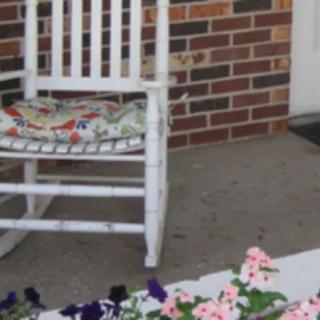
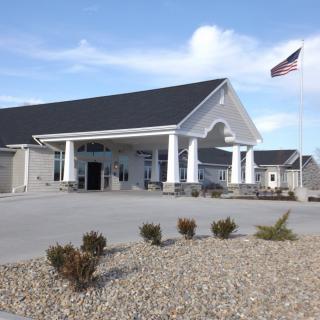
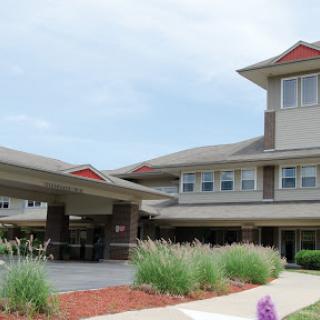
 The facility is described as a small, home-like setting with a tight-knit staff.
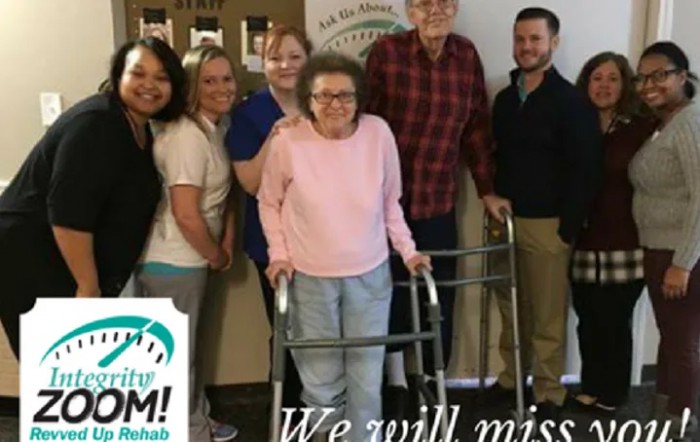
- Staff are described as caring, with some reviewers calling the team awesome and the administration great.
- Visitors observed residents smiling, suggesting a positive, friendly atmosphere.
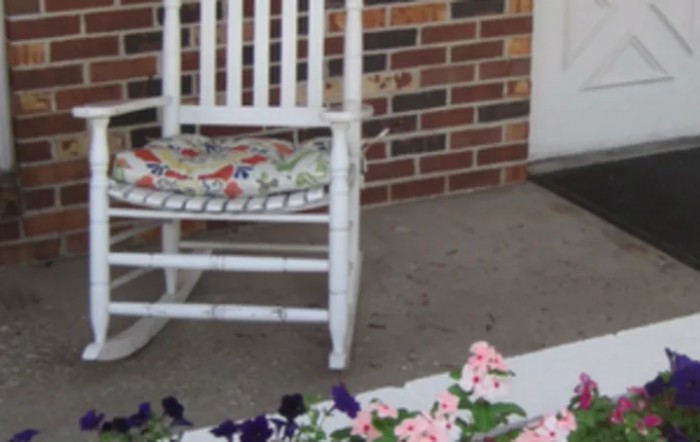
- The environment is portrayed as cute and cozy, with a homey feel.
- Reviewers note a close-knit community among the staff and residents.
Cons
 The facility has unpaid bills that lead to shortages of basic supplies like laundry soap and towels.
- Residents are left without essential items, which constitutes personal neglect.
- Staff have had to buy cleaning and household supplies with their own money.
- Mold covers half the building, creating serious health and safety concerns for residents.
- Beds are rusted and surfaces are not adequately cleaned, posing injury risks.
- Residents with open wounds and sores are at risk of infection due to neglect.
- Night shift CNAs are reported to yell at residents, indicating an abusive environment.
- The facility smells of urine and rooms are dirty, with waste left around.
- Short staffing results in insufficient care, with delays in showers and call lights going unanswered.
- Electrical and maintenance issues are evident (cracked socket plates, duct tape on window AC), signaling unsafe conditions.
Review
This community is best suited for families seeking a small, home-like atmosphere where residents can feel a close-knit, neighborly feel and receive personal attention from staff. The setting often reads as intimate and approachable, with residents described as enjoying a warm, small-house vibe and a lineup of caregivers who appear genuinely caring. That said, the positives are tempered by persistent safety and reliability concerns, and the overall quality hinges on vigilant oversight and timely fixes. For families without the bandwidth to supervise day-to-day operations, this environment risks slipping into wider problems that undermine health and dignity.
An explicit group to consider alternatives includes families prioritizing consistent safety, cleanliness, and dependable staffing. If a facility must demonstrate reliable access to supplies, prompt maintenance, and proactive management, this is not the strongest fit. Red flags cited across multiple accounts, unfinished repairs, odors and unsanitary conditions, mold, rusted fixtures, and reports of inadequate treatment of residents, signal structural shortcomings that are difficult to overlook. For residents with higher medical needs or cognitive challenges requiring reliable nursing coverage and strict infection-control practices, a facility with a steadier track record is a wiser choice.
The core advantages, personalized, small-community touch, and a staff that can feel like an extended family, sound appealing, and they do deliver meaningful comfort when operations stay steady. In this setting, residents can experience attentive, familiar faces and a sense of belonging that larger campuses sometimes lack. However, those advantages are consistently overshadowed by fundamental failures in basic care standards. Instances of mold, rusting bed frames, and rooms that feel neglected undermine the very warmth the home-like label is meant to convey. When daily cleanliness and material availability become uncertain, the emotional comfort of a small setting cannot compensate for ongoing safety risks.
Care quality and safety concerns run deeper than occasional missteps. Reports describe short-staffing, gaps in supervision, call lights left unanswered, and confrontations between staff and management that yield inconsistent care. Observations of urine odors, unattended rooms, and a hallway atmosphere suggesting resident neglect raise the risk of infections and injuries. The most alarming anecdotes involve residents left in soiled conditions, inadequate showers, and equipment in disrepair. These patterns indicate not merely occasional lapses but a systemic fragility that makes reliable, respectful caregiving uncertain on many shifts.
Families evaluating this facility should pursue a rigorous due-diligence process. Schedule visits at multiple times of day and on different days, speak with front-line caregivers as well as administrators, and inspect resident rooms for cleanliness, odor, and maintenance needs. Request a detailed, written corrective-action plan addressing repairs to mold, rust, and infrastructure; ask for current supply chains and inventory levels; and obtain a clear staffing schedule that demonstrates consistent nursing coverage during peak and off-peak hours. Demand transparent responses to past concerns and an explicit timeline for any promised improvements. These steps help separate promising intentions from operational reality.
In the end, this community can work for a family that is disciplined about oversight, values a small, homelike environment, and can actively engage to safeguard every residentā€™s welfare. For others, more reliable options exist where staffing levels, maintenance responsiveness, and infection-control practices are proven, transparent, and consistently delivered. When choosing between options, prioritize facilities with verifiable clean, well-maintained spaces, steady staffing, and proactive leadership, features that translate into safer days and more predictable quality of life for residents. If any red flags persist, the prudent course is to explore alternatives with stronger, verifiable safety and care standards.
 49 resident community capacity
 Skilled Nursing Facility
 Beauty salon
 Cable or satellite TV
 Dining room
 Fully furnished
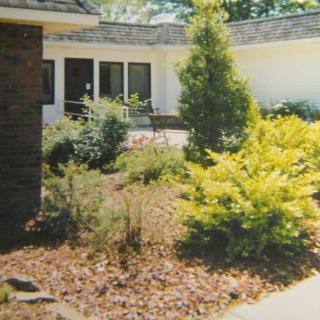
 Garden
 Housekeeping services
 Kitchenette
 Move-in coordination
 Outdoor space
 Restaurant-style dining
 Small library
 Telephone
 Wi-Fi/high-speed internet available
 24-hour call system
 Activities of daily living assistance
 Assistance with bathing
 Assistance with dressing
 Assistance with transfers
 Diabetes diet
 Medication management
 Mental wellness program
 Special dietary restrictions

 Financing Long-Term Nursing Home Care Through Social Security: A Thorough Exploration
 Essential Knowledge on Pneumonia in Older Adults
 Exploring Palliative Care in the Home: A Comprehensive Overview