



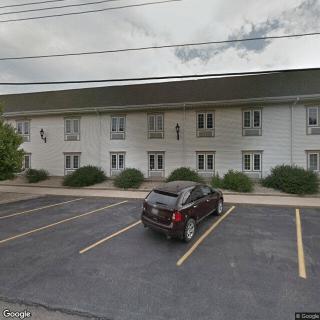
609 North Harpham Street, Havana, IL 62644
For more information about senior living options: (866) 208-4318
Overall Review of Havana Health Care Center
Pros
 The place is awesome.
- Residents were in mostly good spirits.
- The staff were friendly and helpful to residents and guests.
- The nurses see clients as unique individuals with their own stories.
- Management maintains constant, real-time communication with families.
Cons
 The place is a dump.
- Patients are neglected.
- They have to stay in bed all day.
- The staff don’t have a clue how to take care of patients.
- A friend needs his medication four times a day, but he is lucky if he gets it three times.
- Paint is literally falling off the walls and doors.
- The food is terrible.
- The facility is understaffed.
- They let elderly lie in bowel movements and urine for hours, where bed sores will appear and grow.
- They talk like they really care but it’s the total opposite.
Review
This community is best suited for families that can actively supervise care and value affordability, transparency, and responsive management more than a flawless day-to-day experience. It may work for residents who are relatively independent day-to-day but still need some hands-on assistance, provided an attentive family liaison can stay involved. The facility is not a reliable match for those who require constant skilled nursing oversight, aggressive wound or incontinence care, or rigorously monitored medication administration. In short, it serves as a lower-cost option with notable variability in care, where close family engagement becomes a core component of any decision to move a loved one here.
Those weighing alternatives should note this facility may not be suitable for loved ones with high-acuity needs or safety risk factors. Families prioritizing consistent nursing hours, reliable medication delivery, and strong abuse prevention should look elsewhere. Reviews raise red flags about staffing shortages and quality control, suggesting that campuses with proven staffing ratios, robust wound and medication protocols, and observable patient safety programs deserve priority. If a stable, professionally regulated environment is essential, exploring other options is prudent.
On the positive side, a number of reviews point to moments of genuine connection: staff who are friendly, nurses who see residents as individuals, and management teams that communicate changes promptly to families. When staffing levels allow, residents appear to enjoy relatable, person-centered care, and the atmosphere can be congenial. These pros matter: personal attention, timely updates, and a respectful approach to residents’ preferences can significantly elevate daily life and reduce anxiety for families visiting or coordinating care.
However, the dominant concerns overshadow these gains. Understaffing surfaces as a persistent theme, with residents described as neglected, kept in bed, or left in uncomfortable or unsanitary conditions for extended periods. Medication timing issues, reports of cold rooms and poor food, and the potential for bed sores point to systemic care gaps. Allegations of theft and inappropriate behavior among staff further erode trust and underscore the risk that a well-meaning team cannot compensate for structural weaknesses. The severity of these issues is not lightly dismissed and demands rigorous investigation.
The key takeaway is pragmatic: the pros can improve day-to-day life when staffing stabilizes and management is proactive, but they do not neutralize the most serious risks identified in multiple accounts. Prospective families should demand verification of current staffing levels, medication administration procedures, and rigorous quality assurance practices before any commitment. Tours should emphasize direct observation of care routines, opportunities to speak with current residents, and a clear plan for ongoing family communication. State inspections, recent corrective actions, and the facility’s response, as well as the track record of the management company, should inform the final assessment.
Ultimately, this community is not a default recommendation for most families seeking reliable, consistently high-quality care. It is a consideration for those who can maintain vigilant oversight, advocate relentlessly, and tolerate a wider range of daily care experiences in exchange for lower costs. If the loved one requires steady nursing support, predictable medication management, or a consistently clean and safe environment, alternatives with stronger staffing metrics and proven safety records should be pursued first. For those who proceed, insist on a concrete, time-bound improvement plan and unwavering family access to ongoing care updates.
 98 resident community capacity
 Skilled Nursing Facility
 Air-conditioning
 Beauty salon
 Cable or satellite TV
 Computer center
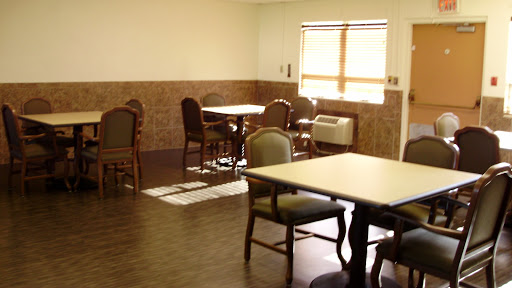
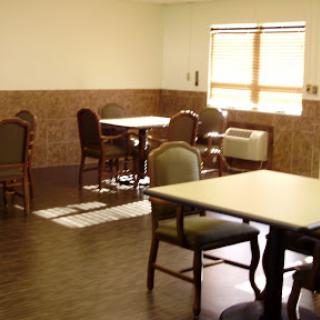
 Dining room
 Fitness room
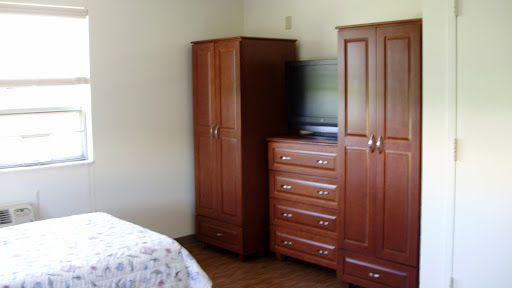
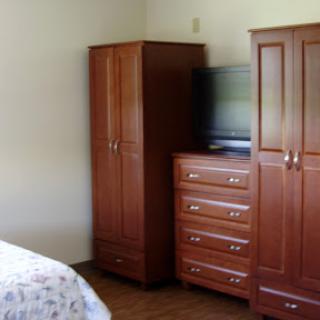
 Fully furnished
 Gaming room
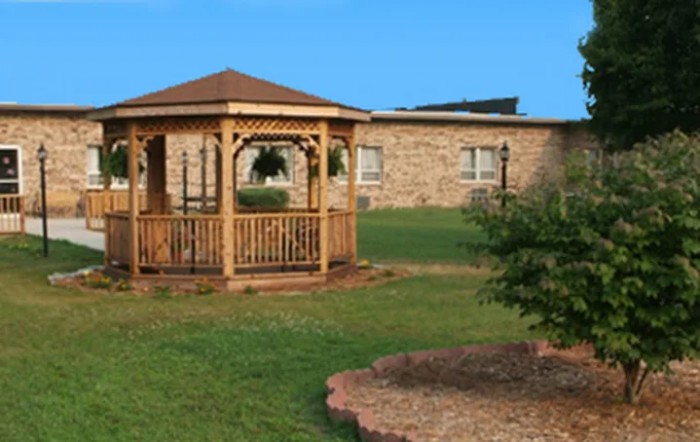
 Garden
 Housekeeping services
 Kitchenette
 Move-in coordination
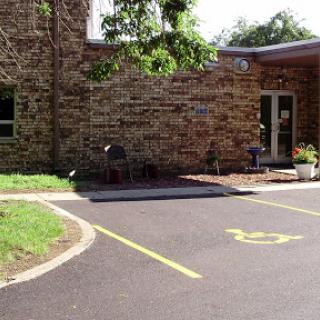
 Outdoor space
 Private bathrooms
 Restaurant-style dining
 Small library
 Telephone
 Wellness center
 Wi-Fi/high-speed internet available
 Community operated transportation
 12-16 hour nursing
 24-hour call system
 Activities of daily living assistance
 Assistance with bathing
 Assistance with dressing
 Assistance with transfers
 Diabetes diet
 Medication management
 Mental wellness program
 Special dietary restrictions
 Concierge services
 Planned day trips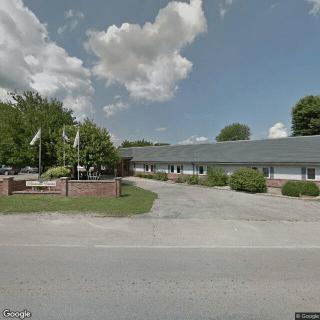




 Navigating the Financial Road to Nursing Home Care: In-Depth Guidance and Resources
 Supportive Employee Benefits That Help Caregivers Attain Better Work-Life Harmony
 Top Cars for Senior Drivers and Essential Safety Innovations