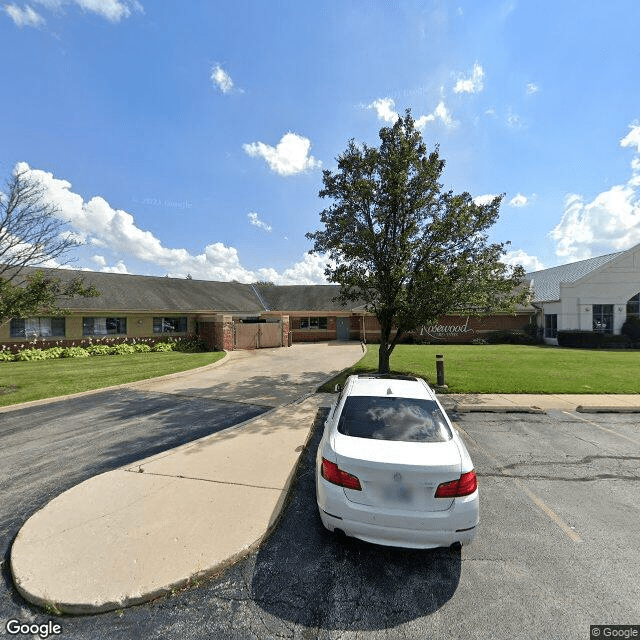
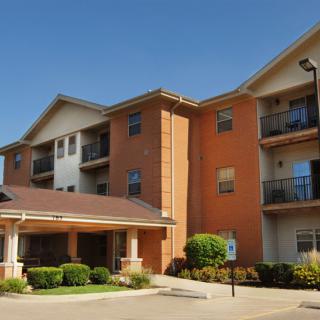
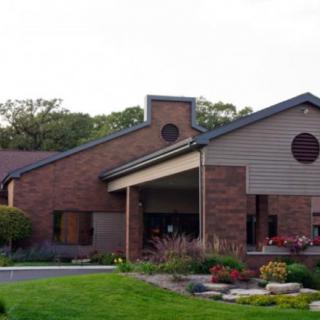
River Crossing of Elgin
Save
2355 Royal Blvd, Elgin, IL 60123
For more information about senior living options: (844) 490-3973
River Crossing of Elgin is best suited for families seeking skilled nursing care with a strong emphasis on rehab, wound care, and a homey, caregiver-driven culture. The community tends to shine for residents who need active therapy, physical, occupational, and wound-management programs, that can restore function and mobility. It also suits families who value a social environment: a steady stream of activities, a welcoming atmosphere, and staff who strive to treat residents like family. The facility’s multilingual staffing and emphasis on approachable administration can help families navigate complex care needs. However, this is not the best fit for those who prize flawless consistency in leadership, unblemished dining quality, or a purely clinical, rumor-free environment.
On the plus side, River Crossing earns consistent praise for cleanliness, approachable CNAs and nurses, and genuine warmth from frontline staff. Families repeatedly highlight wound-care successes, effective coordination with therapists, and the ability of the nursing team to communicate health updates clearly. Resident-centered programming, games, crafts, outdoor activities, and regular social events, helps residents stay engaged, while the care teams that accompany rehab and discharge planning receive frequent thanks from families. The depth of staff compassion often stands out, with several reviews pointing to individuals who make residents feel seen, safe, and valued.
Yet the community is not without significant drawbacks that should factor into decisions. A chorus of reviews points to persistent staffing pressures, with understaffing contributing to slower response times and gaps in communication. Some families report difficulty getting timely answers to questions, inconsistent information from different departments, and experiences where check-in and discharge processes felt disorganized. Food quality and meal service are a recurring concern for several families, including reports of meals that are cold or unappealing. Odors and smaller room sizes appear in multiple accounts, and concerns about safety, such as delays in assistance or inadequate bedside rails, have driven families to seek alternatives or to pull their loved ones out.
The strongest argument for choosing River Crossing rests on the clinical and rehabilitative upside: when wound care, PT/OT, and skilled nursing are delivering measurable progress, many other issues fade into the background. Clean, well-maintained public areas and a culture of care among many CNAs and nurses can create a reassuring environment for families worried about decline. The presence of a robust activity calendar, opportunities for socialization, and the facility’s memory-care offering provide a meaningful mix of independence and protection. For families navigating rehab after surgery or a hospital stay, the opportunity for decisive, hands-on treatment from clinicians who demonstrate competence and warmth can offset some operational rough edges.
Alternatives are worth considering for families who place higher weight on management consistency, flawless communication, or gastronomic standards. If a loved one requires highly reliable leadership, rapid call-light responses, and a tightly coordinated care plan with predictable daily routines, other local options may deliver more consistent experiences. Similarly, families who prioritize top-tier dining experiences or more spacious, private rooms might find better matches elsewhere. Given the mixed reviews about ownership changes and administrative performance, those with heightened sensitivity to governance should probe directly about current leadership, accountability structures, and recent survey results before committing.
Practical next steps: visit multiple times at different days and times, asking to speak with the director of nursing and the admissions liaison to understand current workflows and staffing plans. Request to tour the therapy suite and observe rehab sessions, gauge the responsiveness of the call system during peak hours, and speak with current residents and families about daily life. Clarify room configurations, especially for memory-care needs, and review recent inspection reports for any citations related to safety, nutrition, or housekeeping. If River Crossing aligns with priorities around rehab intensity, staff compassion, and a warm, community feel, and the family is prepared to engage closely with administration to monitor concerns, it remains a viable, practical choice. If not, earlier exploration of alternative facilities may prevent a hard-learned disappointment later.
River Crossing of Elgin is an assisted living community located in the vibrant city of Elgin, IL. Situated close to several amenities, residents can enjoy a variety of options for dining, recreation, healthcare, and cultural activities.
For those seeking a pleasant coffee experience or a quick bite to eat, there is a cozy cafe conveniently nearby. Additionally, nature enthusiasts will appreciate the proximity of a beautiful park where they can take leisurely walks or simply relax amidst nature's beauty.
Providing easy access to healthcare services, the community is surrounded by eight pharmacies and four physicians' offices. This ensures that residents can easily obtain their medications and receive timely medical attention when needed. In case of emergencies or specialized care requirements, three hospitals are within close reach.
Residents at River Crossing of Elgin are also spoiled for choice when it comes to dining out. With ten restaurants located nearby, they have ample options to choose from and indulge in delicious meals with family and friends.
Embracing diversity and accommodating various spiritual beliefs, there is a place of worship situated nearby where residents can find solace and engage in religious practices if desired.
Overall, River Crossing of Elgin offers its residents the convenience of being centrally located near essential amenities while providing a comfortable living environment. The combination of accessible cafes, parks, pharmacies, physicians' offices, restaurants, places of worship, and hospitals creates a complete package for individuals seeking quality assisted living in Elgin.
This part of Elgin, Illinois offers a variety of amenities that may appeal to individuals considering senior living. There are multiple places of worship nearby, providing opportunities for spiritual growth and community engagement. Access to several hospitals and physicians within a few miles ensures convenient healthcare options. A selection of pharmacies in close proximity makes managing medications easier. Additionally, there is a diverse range of dining options from casual eateries like McDonald's and Chipotle to more upscale establishments such as Old Republic Kitchen + Bar. For those who enjoy spending time outdoors, there are several parks within a short drive for leisurely walks or picnics. Lastly, seniors looking for entertainment can visit the AMC South Barrington 24 theater just under 10 miles away. Overall, this neighborhood provides a well-rounded environment with essential services and recreational activities nearby for seniors to enjoy.
River Crossing of Elgin is located at 2355 Royal Blvd, Elgin, IL 60123 in Kane County, Illinois
Weight Training for Seniors: Building Strength and Vitality

Weight training is vital for seniors to maintain muscle mass, bone density, and overall health, combating age-related declines through customized resistance exercises that enhance balance and well-being. Safe routines should start with realistic goals and proper form, while emphasizing gradual progress and consultations with healthcare providers to ensure safety and effectiveness.
Understanding the Sandwich Generation: Stress and Responsibilities for Multigenerational Caregivers

The Sandwich Generation comprises adults managing the dual responsibilities of caring for aging parents and raising children, leading to significant emotional, logistical, and financial challenges. This situation is exacerbated by longer life expectancies and cultural expectations, necessitating effective coping strategies and support resources to alleviate caregiver stress and burnout.
8 Essential Assistive Devices for Older Adults
The article highlights eight essential assistive devices that improve the independence and safety of older adults, addressing issues related to mobility, balance, vision, hearing, and dexterity. It emphasizes the importance of proper selection guided by healthcare professionals to enhance seniors' quality of life while allowing them to age in place.