
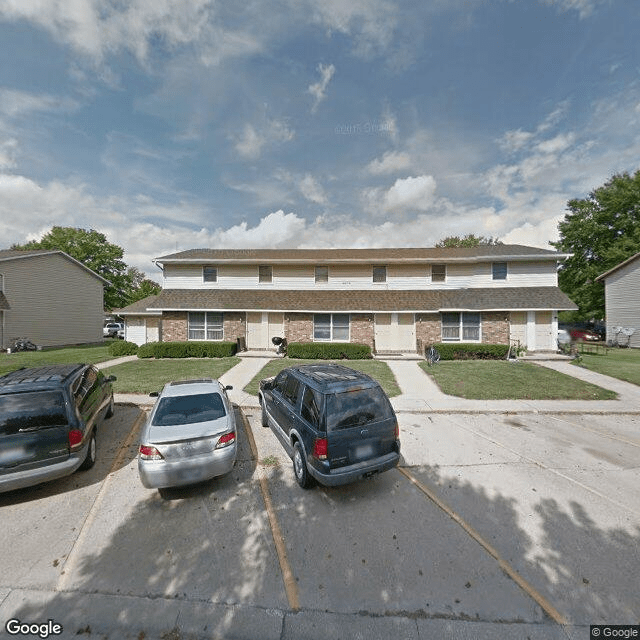
1115 N Wenthe Dr, Effingham, IL 62401
To contact a resident: (217) 347-7121
For more information about senior living options: (866) 208-4318
Evergreen Nursing & Rehabilitation Costs & Pricing
Evergreen Nursing & Rehabilitation offers competitive pricing for its private rooms, set at $3,270 per month. This rate aligns precisely with the average costs in Effingham County, providing local residents with an accessible option for high-quality care. In contrast, the broader Illinois state average significantly exceeds this figure, reaching approximately $5,049 per month for similar accommodations. This cost disparity highlights Evergreen's commitment to delivering affordable and compassionate care within the community, making it an attractive choice for families seeking reliable long-term rehabilitation options without sacrificing quality.
| Floor plans | Evergreen Nursing & Rehabilitation | Effingham County | Illinois |
|---|---|---|---|
| Private | $3,270 | $3,270 | $5,049 |
Overall Review of Evergreen Nursing & Rehabilitation
Pros
 The staff are caring and treat residents like family.
- Evergreen feels like home.
- The atmosphere at Evergreen is wonderful.
- The staff are patient and kind with residents and their families.
- The facility is very clean.
- The therapy department is great.
- Evergreen has some of the nicest, most caring individuals working with the residents.
Cons
 The facility is the most disorganized place the reviewer has ever seen, and the administrator does not want to rectify the situation.
- The facility is understaffed, with only adequate care in Medicare A or B wings, described as a total money grab.
- The reviewer warns that understaffing could lead to neglect, falls, and injuries to residents.
- The administration is criticized for not caring about understaffing and for prioritizing labor cuts to unacceptable levels.
- They accuse the facility of lying to its employees.
- The reviewer implies that placing a loved one there would risk neglect and harm, making it potentially unsafe.
Review
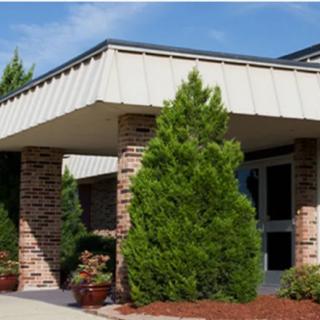
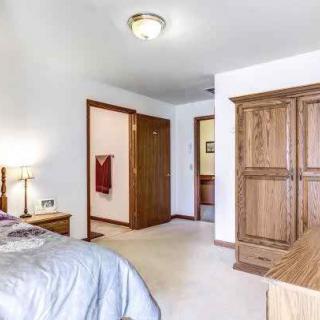
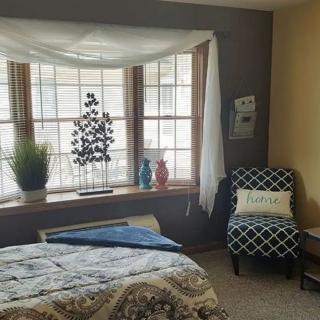
Evergreen Nursing & Rehabilitation in Effingham is best suited for families that prize a warm, home-like atmosphere where attentive staff and tangible rehab progress are real strengths. Reviews consistently describe a culture in which residents are treated like family, and where the care tone feels personal and nurturing. The rehab and therapy teams are frequently highlighted as effective, with residents showing meaningful improvement and families expressing gratitude for the level of dedication. The facility’s atmosphere, cleanliness, and ongoing interior updates contribute to a sense of comfort that many families are actively seeking when evaluating post-acute or long-term care options.
At the same time, a portion of the feedback signals that this community may not be the best fit for everyone. Alternatives should be considered by families needing near-flawless staffing consistency and airtight administrative responsiveness. Several reviewers raise concerns about understaffing and disorganization, and a subset accuses administration of slow responses or problematic communication. For residents with high needs, complex medical conditions, or cognitive challenges requiring constant oversight and quick problem resolution, a facility with more robust, transparent governance and staffing stability may be a safer choice.
The strongest pros center on staff warmth, patient-centered care, and a clean, well-maintained environment. Families repeatedly note that the staff cares deeply, treats residents with dignity, and goes above and beyond in day-to-day interactions. The therapy department earns high marks for effectiveness, which matters for recovery goals after a hospital stay or for ongoing functional improvements. The building’s recent interior remodeling contributes to a fresh, inviting feel, and the emphasis on a family-oriented culture helps mitigate anxiety for residents and their loved ones. When care needs align with rehab potential and a desire for a supportive, personable team, these positives can be persuasive.
Yet the main cons cannot be ignored. The most persistent red flag is understaffing, with multiple reviews suggesting that care quality can be compromised during staffing gaps. Administratively, some families report disorganization and a sense that issues are not resolved promptly or satisfactorily. A few remarks even imply financial constraints are driving labor reductions, which understandably fuels worry about ongoing care consistency and safety. These concerns create a tension: while the care and environment can be excellent in good periods, downturns in staffing or administration can erode that experience and raise risk for residents requiring steady monitoring.
The key question for families is whether the positive care culture can compensate for the staffing and administrative wrinkles. For residents focused on strong rehabilitative outcomes, empathetic daily attention, and a home-like environment, the positives may well offset the downsides. The care team’s perceived dedication and the clean, updated setting provide substantial emotional and physical comfort. However, for those whose decision hinges on unwavering staffing ratios, transparent governance, and proactive issue resolution, these cons may outweigh the advantages. The decision hinges on individual tolerance for variability and the primacy placed on rehab momentum versus administrative predictability.
To navigate a choice effectively, visit with a plan. Ask to observe a shift to gauge actual CNA coverage and how staff triage concerns in real time. Speak with the administrator about staffing levels, turnover, and steps taken when complaints arise. Inquire about the Medicare A/B wing versus other areas to understand where care quality may differ and why. Interview current residents and families about responsiveness and safety, and request a detailed tour of therapy facilities and activity programming to see if participation aligns with the resident’s interests and capabilities. In the end, Evergreen offers a compelling blend of warmth and rehab strength for the right family, but the decision should rest on a clear assessment of staffing reliability and administrative responsiveness in relation to the resident’s needs.
 Skilled Nursing Facility
 Private


 Home Health Care Aides: Understanding Their Role and Supporting Your Family
 Urinary Tract Infections in Older Adults: Comprehensive Insights on Symptoms, Treatment, and Prevention
 California's Form 602A: An In-Depth Examination of Senior Care Assessment