For more information about senior living options: (866) 208-4318
3.4 from 66 reviews
5 stars
38
4 stars
2
3 stars
0
2 stars
1
1 stars
25
Central Nursing & Rehab Costs & Pricing
Central Nursing & Rehab offers competitive pricing for its services, particularly when compared to the regional and state averages. For a semi-private room, residents can expect to pay $4,000 per month, which is significantly lower than the average costs in Cook County at $5,192 and across Illinois at $5,146. Similarly, the monthly rate for a private room at Central Nursing & Rehab is set at $4,500, again undercutting both Cook County's average of $5,168 and the statewide figure of $5,049. These cost efficiencies reflect Central Nursing & Rehab's commitment to providing accessible quality care while ensuring that residents receive the support they need without straining their financial resources.
Floor plans
Central Nursing & Rehab
Cook County
Illinois
Semi-Private
$4,000
$5,192
$5,146
Private
$4,500
$5,168
$5,049
Skilled Nursing Facilities with a similar price nearby
Residents and families frequently describe caring, helpful staff.
Many reviews highlight staff who treat residents well, help with daily needs, and respond to concerns. Multiple people also mention specific nurses and aides by name, and others describe administrators and therapy staff as professional and compassionate. A few reviewers contrast their experiences by saying communication and leadership didn’t meet expectations, but the overall pattern in the comments is strongly positive about day-to-day interactions.
common4 reviews mention this
Activities help residents stay engaged
Residents describe regular activities that keep them involved.
Several residents and families say the community offers activities that bring people together, including events on weekends. One review specifically lists game-style activities and group events, while another points to residents engaging happily during their stay. Reviewers connect these activities to how cared for residents feel day to day.
common3 reviews mention this
Therapy and wound care support recovery
Rehabilitation and therapy are a recurring part of stays.
Reviews mention therapy as part of the reason families chose the facility or the support residents receive during their stay. Some comments describe good physical therapy experiences and progress, including wound care that helped a resident improve. A smaller number of reviews include negative therapy-related experiences, but therapy still shows up repeatedly across the feedback.
caveat16 reviews mention this
Cleanliness and supplies are a concern
Multiple residents and families report serious cleanliness issues.
A recurring theme in the negative reviews is that rooms and common areas are not kept clean, with complaints about odors, dirty linens, and pests. Several reviewers also mention missing or inadequate supplies like towels, pillows, soap, or diapers, and others describe problems with housekeeping. A few reviews extend this to medication and basic care, which reinforces the concern that care routines were inconsistent for them.
How we summarize
Counts show how many written reviews mention each theme; a review can touch several themes, and only frequently mentioned themes are displayed.
Features
Types of Care
Skilled Nursing Facility
Transportation
Chicago O'Hare International (8 miles away)
Chicago Midway (10 miles away)
Nearby Places of Interest
This area of Chicago, Illinois offers a diverse range of amenities and services that cater to the needs of seniors. With a variety of restaurants including Culver's, Longman & Eagle, and Parson's Chicken & Fish within close proximity, residents can enjoy dining options to suit their tastes. Additionally, there are several parks nearby such as Portage Park and Humboldt Park where seniors can engage in outdoor activities and socialize with others. The area also boasts multiple pharmacies for convenient access to medication and healthcare needs. Transportation options like the CTA bus terminal at Jefferson Park provide easy mobility around the city. For medical care, there are reputable hospitals like Gottlieb Memorial Hospital and Loyola University Medical Center in the vicinity. Moreover, cafes like Starbucks offer cozy spaces for seniors to relax or meet with friends. With theaters such as Regal Webster Place nearby, seniors can also enjoy entertainment options in the area. Overall, this part of Chicago presents a vibrant and well-connected community that could be a suitable location for senior living.
Restaurants
Culver's (2.1 miles)
Longman & Eagle (3.1 miles)
Parson's Chicken & Fish (3.4 miles)
Chick-Fil-A (4.6 miles)
Big Star (4.7 miles)
Portillo's Hot Dogs (5 miles)
Superdawg Drive-In (5 miles)
Parks
Portage Park (2.1 miles)
The 606 — Western Terminus (2.5 miles)
Unity Playlot Park (2.8 miles)
Independence Park (2.8 miles)
Logan Boulevard (3 miles)
Palmer Square Park (3.3 miles)
Humboldt Park (3.6 miles)
Pharmacies
Walgreens (2.1 miles)
CVS Pharmacy (2.2 miles)
Walgreens (2.2 miles)
Walgreens (2.3 miles)
Walgreens (2.3 miles)
Walgreens (2.3 miles)
Walgreens (2.4 miles)
Transportation
Jefferson Park Bus Terminal (3.1 miles)
Cta (3.1 miles)
CTA - Kedzie-Homan (4.7 miles)
Cta (5.8 miles)
CTA - Fullerton (5.8 miles)
CTA - Belmont (5.9 miles)
Cta (6 miles)
Hospitals
Gottlieb Memorial Hospital (4.1 miles)
Loyola Medicine Transport (4.2 miles)
Swedish Covenant Hospital Cancer Care (4.9 miles)
Loyola University Medical Center (5.7 miles)
Loyola Outpatient Center (5.9 miles)
Advocate Illinois Masonic Medical Center (5.9 miles)
John H Stroger Jr Hospital (6 miles)
Cafes
Starbucks (4.2 miles)
Starbucks (4.3 miles)
Starbucks (4.8 miles)
Starbucks (5.3 miles)
Physicians
Resurrection Medical Center Professional Building (5 miles)
University of Illinois Mile Square Health Center: Near West Side (5.4 miles)
Central Nursing & Rehab offers competitive pricing for its services, particularly when compared to the regional and state averages. For a semi-private room, residents can expect to pay $4,000 per month, which is significantly lower than the average costs in Cook County at $5,192 and across Illinois at $5,146. Similarly, the monthly rate for a private room at Central Nursing & Rehab is set at $4,500, again undercutting both Cook County's average of $5,168 and the statewide figure of $5,049. These cost efficiencies reflect Central Nursing & Rehab's commitment to providing accessible quality care while ensuring that residents receive the support they need without straining their financial resources.
Living wills and advance directives are crucial legal documents that outline an individual's healthcare preferences when they cannot make decisions themselves, enhancing patient autonomy and alleviating family stress during medical crises. The article emphasizes the need for these documents to be personalized, legally valid, and regularly updated, while also encouraging communication about end-of-life wishes among family members and healthcare providers.
The article examines living wills and advance directives, highlighting their significance in expressing healthcare preferences for those unable to communicate due to illness or incapacity. It discusses their historical development, legal components, limitations, practical drafting advice, and the importance of clear communication among families and healthcare professionals regarding end-of-life decisions.
Hospice care focuses on providing comfort and support for individuals nearing the end of life, with Medicare Part A covering services like nursing care and counseling for patients with a terminal illness and a life expectancy of six months or less. While most hospice services are low-cost for eligible patients, families should be aware that certain expenses, such as room and board, may not be covered.
Get PricingAsk A QuestionSchedule A TourContact Senior Advisor
By clicking submit, you agree to our Partner's Terms of Use. You
also consent to receive calls and texts, which may be autodialed, from our Partner. Your consent is not a condition to
using our Partner's service. Please visit our Partner's Privacy Policy for information about their privacy practices.

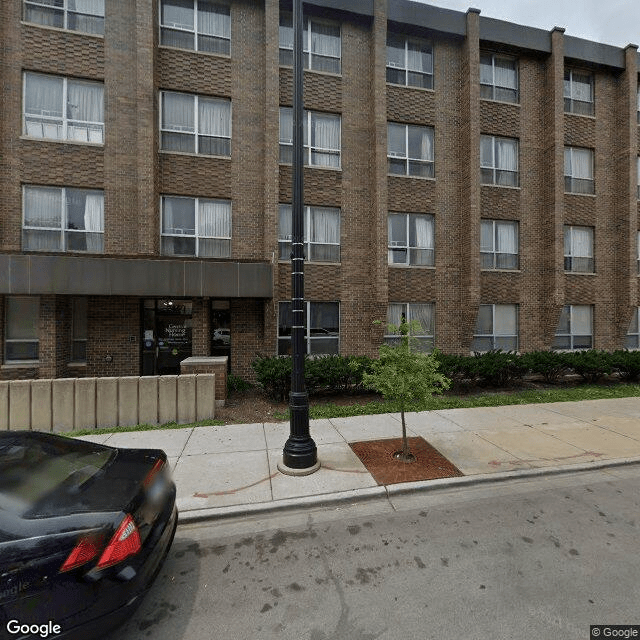
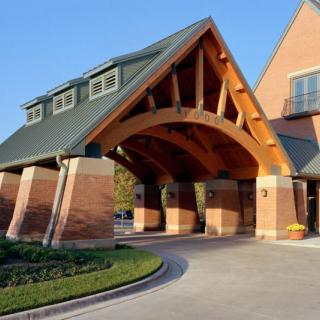
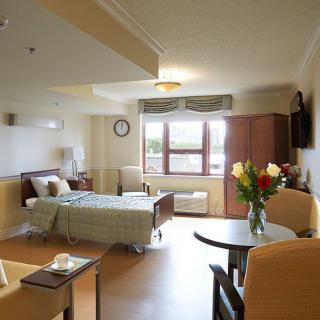
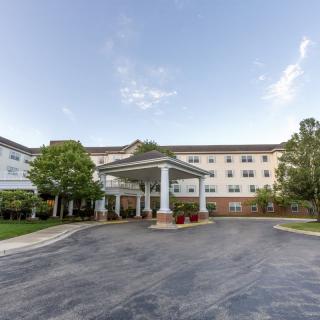

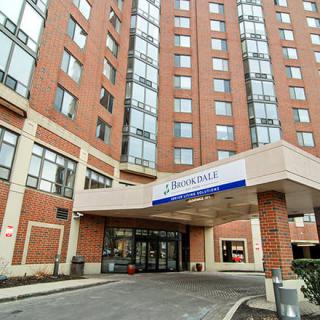
 Skilled Nursing Facility
 Chicago O'Hare International (8 miles away)
 Compassionate medical care and an engaged activity department that fosters resident involvement.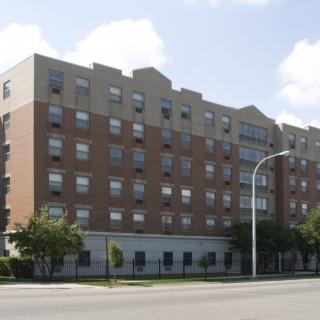

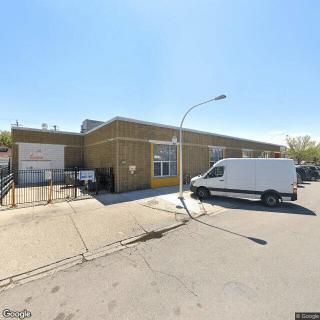
 Comprehensive Exploration of Living Wills and Other Advance Directives
 A Detailed Exploration of Living Wills and Advance Directives
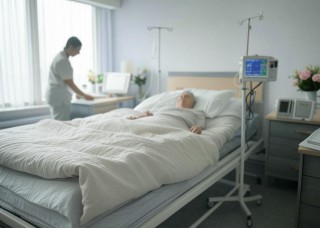 Comprehensive Guide to Medicare Coverage for Hospice Care