
309 East Springfield, Champaign, IL 61820
For more information about senior living options: (866) 208-4318
Overall Review of Champaign Living Center
Pros
 The care given was excellent from the time of transfer to the memory care unit.
 - The second floor staff treated the patient with great compassion and provided excellent care.
- The staff across roles were kind and considerate to the family’s concerns.
- Heartland is patient- and family-centered in its approach to care.
- The meals are fantastic and the in-house culinary staff is absolutely the best.
- The rehabilitation program and staff are unparalleled, diligently restoring physical and mental capabilities.
- The nurses and staff are cheerful, communicative, and always positive about their relationships with patients.
Cons
 The staff were completely rude and uncaring toward their patients.
- The facility should be shut down immediately because the staff are HORRIBLE and neglect patient needs and concerns.
- A patient was left on a bedpan for 45 minutes, indicating a clear lack of basic care.
- The place is a disgrace to nursing homes and the elderly, with no heat in a patient’s room for days and other safety concerns.
- A chemo pill was dropped on the floor and left there, and patients were not given fluids for more than 12 hours.
- Overcrowded, filthy rooms with bloody bandages on floors and high staff turnover left residents inadequately cared for.
- End-of-life care was mishandled, with delayed repositioning, patient misery, and poor communication.
- The third floor had a stench of urine, dirty showers, and not enough workers, leaving residents unhappy.
Review
Champaign Living Center is best suited for families pursuing a short, rehab-focused stay with solid medical oversight and an explicit emphasis on keeping families informed. In the Champaign market, the most compelling advantages show up where there is a structured rehab program, daily monitoring, and a clear framework for care planning. For loved ones who emerge from hospitalization needing skilled nursing, and for families willing to participate actively in the care plan, this setup can translate into tangible functional gains and confidence that progress is being tracked. That said, the upside hinges on consistent staffing and reliable bedside attention, not just promises from administrators.
Those who may want to consider alternatives include families prioritizing long-term residency, comfort, and steady day-to-day warmth. The review landscape in Champaign reveals a troubling variance: encounters with rude or uncaring staff, delays in basic assistance, and environments that feel cramped or unclean. Heat in rooms, unreliable call-light responsiveness, and questions about dietary accommodations or the ability to tailor meals to conditions like diabetes are recurring concerns. For families seeking a stable, consistently compassionate daily experience over time, these patterns are a meaningful obstacle to overlook.
The strongest pro-and-con dynamic centers on rehab clarity versus day-to-day reliability. When the rehab program operates as advertised, with attentive nurses and therapy staff, transparent communication, and regular progress updates, families notice a real benefit. On-site medical oversight, routine monitoring of intake and vital signs, and the ability to quantify progress create a credible path toward discharge or return home. In those contexts, the positives can, at least partially, offset systemic issues such as housekeeping gaps or occasional staff turnover. The rehab-focused framework can be compelling if the patient’s primary need is recovery and the family can stay closely engaged.
To make a well-founded decision, inspections and conversations should zero in on specific, tangible factors during tours. Probe staff-to-resident ratios on evenings and weekends, typical call-light response times, and how quickly maintenance issues are resolved. Confirm that heat control is reliable and that rooms stay at comfortable temperatures, especially in late fall and winter. Validate dietary flexibility, whether diabetic menus and other restrictions can be accommodated, and ask how menus are updated based on patient preferences and nutritional needs. Above all, speak with current residents and family members about consistency of care across shifts and the degree of real-time communication they experience.
Red flags remain a decisive signal to pause and reconsider. Reports of neglect or minimal bedside attention, rooms without heat, unaddressed safety hazards, and visibly overcrowded or poorly maintained spaces are not mere inconveniences; they are fundamental risks. If such concerns surface during visits or in conversations with staff and residents, it is essential to demand documentation, recent inspection results, staffing patterns, incident logs, and seek assurances about a concrete plan to mitigate these issues. For long-term care or end-of-life scenarios, these red flags demand especially careful scrutiny.
Ultimately, the decision hinges on whether rehab-driven needs can be met with reliable day-to-day quality. Champaign Living Center offers a potential path to meaningful recovery through a disciplined program, robust medical oversight, and a communication cadence that can reassure families. However, persistent concerns about staff consistency, environmental conditions, and the responsiveness of basic daily care require serious due diligence. For families with acute rehab goals and the capacity to advocate actively, the center can be workable, provided clear, verifiable assurances are secured. For those prioritizing steady, compassionate daily living and long-term safety, it is prudent to compare this option with stronger, more consistently reviewed facilities in the area and to arrange decisive visits before committing.
 102 resident community capacity
 Skilled Nursing Facility
 Air-conditioning
 Beauty salon
 Cable or satellite TV
 Computer center
 Dining room
 Fitness room
 Fully furnished
 Gaming room
 Garden
 Housekeeping services
 Kitchenette
 Move-in coordination
 Outdoor space
 Private bathrooms
 Restaurant-style dining
 Small library
 Telephone
 Wellness center
 Wi-Fi/high-speed internet available
 University of Illinois-Willard (6 miles away)
 Community operated transportation
 12-16 hour nursing
 24-hour call system
 Activities of daily living assistance
 Assistance with bathing
 Assistance with dressing
 Assistance with transfers
 Diabetes diet
 Medication management
 Mental wellness program
 Special dietary restrictions
 Concierge services
 Planned day trips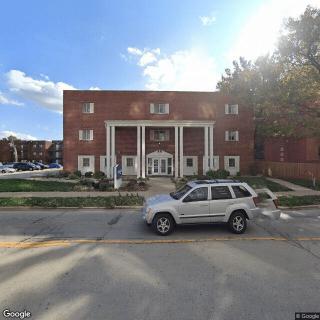






 Compassionate Conversations: How to Comfort Someone Who Is Grieving
 Home Health Care Aides: Understanding Their Role and Supporting Your Family
 Urinary Tract Infections in Older Adults: Comprehensive Insights on Symptoms, Treatment, and Prevention