
216 College Boulevard, Carmi, IL 62821
For more information about senior living options: (866) 208-4318
Overall Review of Wabash Christian Retirement
Pros
 Wabash Retirement Center is resident-centered.
 - The aunt feels at home with her new neighbors.
- She is in a nice large room with a sweet roommate.
- The nurses are wonderful and stop by to speak with visitors.
- The CNAs show true respect for the residents and do a great job.
- The aunt notes that the staff are friendly and sweet.
- Arts and crafts is a favorite activity, with patient staff who have a calling for their work.
- The unit at Wabash Christian Assisted Living was a very nice one-bedroom, and he could cook his own meals.
- The nurses were very sweet to him and called him Gramps.
- He grew to love the nurses and CNAs who made him feel safe and happy.
Cons
 She just couldn't remember to take her medicine when she needed to.
- He had a heart attack and had to move into a full care unit.
- He sadly died before he got the chance.
Review
Wabash Christian Retirement is best suited for seniors who want a warm, resident-centered assisted living experience where neighbors become familiar, and staff feel like a supportive extended family. It works well for individuals who prize a home-like atmosphere, privacy, and the ability to maintain some independence while receiving dependable help with everyday tasks and medication reminders. The environment rewards social engagement, with activities such as arts and crafts and card games playing a central role. Residents who value consistent, personable contact with nurses and CNAs, people who genuinely engage and check in during visits, will likely feel at ease and respected from day one.
The strongest positives are the culture and the care ecosystem. The reviews consistently highlight a resident-focused staff that treats residents with kindness and respect. Nurses and CNAs are described as genuinely attentive, stopping by to chat and offering reassurance, which creates a sense of safety and belonging. Room setups contribute to comfort, many residents enjoy a spacious, private or semi-private living arrangement with the option to share congenial living space. The social fabric is reinforced by activities that resonate with older adults, particularly arts and crafts, which provide meaningful engagement and a sense of purpose. This isn’t a sterile program; it’s a small-community feel where staff members become familiar faces and friends to the residents.
Pros are meaningful enough to offset a few understandable limitations, but the decision hinges on acuity and care needs. The ability for a resident to still cook in a small kitchen within the unit, as shown in one unit example, supports independence and dignity while staying in place. The 24/7 call-for-help capability and the presence of a formal nursing and CNA team mitigate safety concerns for seniors who require monitoring without needing continuous hospitalization-level care. Yet the record suggests this setting excels for those who are not in high-acuity medical conditions or in the most intensive memory-support trajectories. For residents who anticipate rapid changes in medical status or require robust, specialized memory care, the continuum offered here may feel limited.
The core pros, genuine staff engagement, resident-centered routines, and a home-like social network, offset most of the potential drawbacks when matched to appropriate needs. The personal attention, calm pace, and opportunities to participate in crafts and social activities can blunt the isolation that sometimes accompanies aging in place. The comfortable rooms and the ability to share a living space or live independently within the same community provide flexibility as needs evolve. However, the gap appears for residents who require frequent, complex medical interventions or structured memory-care programs. In those cases, a community with a dedicated memory-care unit or a broader continuum of care would better align with expectations and safety.
For families making a choice, prioritize a visit that tests the core interactions: how staff greet residents, how promptly help is offered, and how much independence residents actually retain in daily routines. Confirm unit layouts, kitchen access, and privacy options, then review the activity calendar to ensure it matches the resident’s interests. Inquire about med-management processes, fall precautions, and how care plans adapt when health status shifts. If the goal is a warm, personalized, socially rich environment where staff know residents well and residents can maintain meaningful independence, this community stands out. If, instead, the priority is comprehensive medical oversight or specialized memory support, explore alternatives with more extensive acuity resources.
Ultimately, Wabash Christian Retirement presents a practical, emotionally resonant option for seniors who value connection, respectful care, and a homelike setting. It earns credibility from families who speak of friendly nurses, patient CNAs, and a community that feels like home. For those whose needs sit at the higher end of assisted living, particularly with complex medical requirements or advanced memory care, a careful comparison with other communities offering a fuller continuum of care is advised. The right fit hinges on aligning expectations with the intimate, people-first strengths this home-like setting delivers.
 156 resident community capacity
 Skilled Nursing Facility
 Air-conditioning
 Beauty salon
 Cable or satellite TV
 Computer center
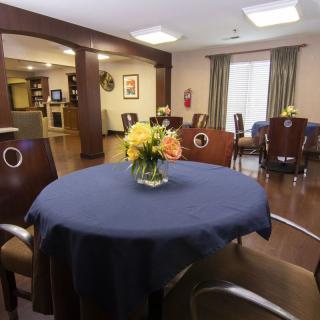
 Dining room
 Fitness room
 Fully furnished
 Gaming room
 Garden
 Housekeeping services
 Kitchenette
 Move-in coordination
 Outdoor space
 Private bathrooms
 Restaurant-style dining
 Small library
 Telephone
 Wellness center
 Wi-Fi/high-speed internet available
 Community operated transportation
 12-16 hour nursing
 24-hour call system
 Activities of daily living assistance
 Assistance with bathing
 Assistance with dressing
 Assistance with transfers
 Diabetes diet
 Medication management
 Mental wellness program
 Special dietary restrictions
 Concierge services
 Planned day trips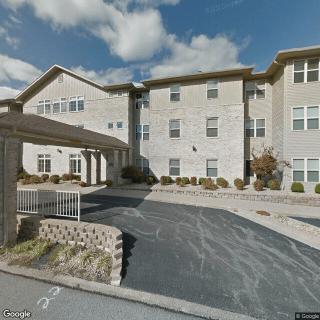



 Home Health Care Aides: Understanding Their Role and Supporting Your Family
 Urinary Tract Infections in Older Adults: Comprehensive Insights on Symptoms, Treatment, and Prevention
 California's Form 602A: An In-Depth Examination of Senior Care Assessment