
615 West Webb Street, Po Box 133, Carmi, IL 62821
For more information about senior living options: (866) 208-4318
Overall Review of Carmi Manor Rehab & Nursing Center
Pros
 They received care that was top-notch.
- The Administrator is notably professional in her conduct.
- The Administrator's professional demeanor stands out in a positive way.
Cons
 The management is incompetent.
- The management is verbally abusive.
- The management is very entitled in their business practices.
- The administrator behaves differently from most professionals, raising questions about why she is in that position.
Review
Carmi Manor Rehab & Nursing Center in Carmi, Illinois is best suited for seniors who need steady nursing oversight and rehabilitative services and who can tolerate a management culture that some residents and families find challenging. The facility appears capable of delivering solid, hands-on care on a daily basis, and for residents requiring skilled nursing, physical therapy, or post-acute recovery, the clinical team can provide reliable attention and steady progress. In short, the care level can be a differentiating strength when clinical needs are primary and the surrounding landscape supports consistent, attentive caregiving.
Those who should consider alternatives are families that prize administrative professionalism and seamless leadership. The reviews surface serious concerns about management, including perceptions of incompetence, verbal abuse, and entitlement in business dealings. Such dynamics can color every interaction, from billing and discharge planning to family communications and complaint resolution. If a transparent, respectful, and predictable administrative experience is non-negotiable, it would be prudent to explore other communities where leadership patterns have a steadier track record and where escalation paths and accountability are clear.
On the positive side, there is clear evidence of strong caregiving when operations run smoothly. At least one resident reports excellent care during their stay, signaling that the nursing and rehab teams are capable of delivering high-quality, attentive service. When the administrative environment supports, the daily experience can feel seamless: timely assistance, careful monitoring, and progress toward rehab goals. The facility’s clinical core, if allowed to function without organizational friction, has the potential to deliver genuinely competent, compassionate care that residents and families can trust in moments of vulnerability and transition.
The most consequential drawbacks, however, revolve around leadership and how it shapes resident experience. The most pointed concerns describe management as incompetent, with abusive verbal conduct and business practices perceived as self-serving. Such patterns, if validated, threaten not only morale but also consistency in communication, scheduling, and problem resolution. An administrator who diverges from expected professional conduct raises legitimate questions about trust, transparency, and the facility’s ability to sustain quality over time. Families should scrutinize the administrative culture during tours, request specifics on grievance handling, and seek candid feedback from current residents or families about day-to-day interactions with leadership.
The key question is whether the benefits of high-caliber clinical care can offset the risks associated with management issues. For families where immediate health needs and rehab potential are the top criteria, and where administrative friction can be navigated through clear expectations and proactive engagement, Carmi Manor may still be a viable option. For others, particularly those seeking a consistently respectful, professionally managed environment with predictable policies, the management concerns are likely to weigh heavily in the final decision. The balance tilts in favor of choosing Carmi Manor only when compelled by the certainty of strong nursing care and when confidence exists that administrative tensions can be managed without compromising resident well-being.
Practical next steps for decision-makers are concrete. Schedule a thorough tour with an emphasis on observing administrator–family interactions and the cadence of problem resolution. Meet with the director of nursing and request to speak with frontline staff about morale and scheduling stability. Review recent care plans, rehab progress notes, and discharge processes to gauge how well communication flows between families and the care team. Inquire about staffing ratios during peak hours and the process for addressing complaints or billing questions. If honest answers and demonstrable improvements cannot be observed, or if administrative behavior raises red flags, it is wise to broaden the search to other communities in the region, where clinical strength is paired with steadier leadership and a consistently respectful operational culture.
 74 resident community capacity
 Skilled Nursing Facility
 Air-conditioning
 Beauty salon
 Cable or satellite TV
 Computer center
 Dining room
 Fitness room
 Fully furnished
 Gaming room
 Garden
 Housekeeping services
 Kitchenette
 Move-in coordination
 Outdoor space
 Private bathrooms
 Restaurant-style dining
 Small library
 Telephone
 Wellness center
 Wi-Fi/high-speed internet available
 Community operated transportation
 12-16 hour nursing
 24-hour call system
 Activities of daily living assistance
 Assistance with bathing
 Assistance with dressing
 Assistance with transfers
 Diabetes diet
 Medication management
 Mental wellness program
 Special dietary restrictions
 Concierge services
 Planned day trips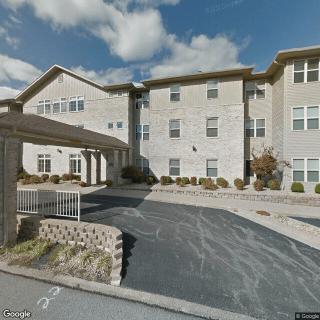



 Comprehensive Look at Senior Blood Pressure Charts: Normal and Elevated Levels by Age
 Top Canine Companions for Older Adults
 Comprehensive Guide to Blood Pressure Charts for Older Adults: Understanding Normal and High Readings by Age