
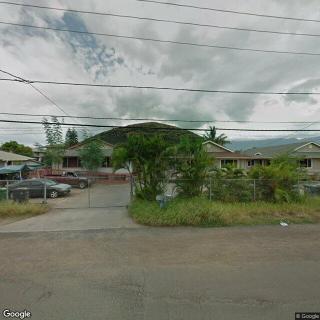
84-390 Jade Street, Waianae, HI 96792
For more information about senior living options: (866) 208-4318
Overall Review of Pu'Uwai 'O Makaha
Pros
 The staff provided compassionate, comprehensive care.
- The facility was beautiful, with fun activities and attentive nurses.
- The on-site cats, including momma kitties with kittens, were friendly and relatively tame.
- The gardens, shrine, flowers, and mountain view created a beautiful, rural ambience.
- It truly felt like a rural home.
- The app is awesome.
Cons
 They claim the staff failed to provide timely medical attention, and it was too late when it finally happened.
- They felt they were asking too much for basic care like brushing teeth or washing legs and feet.
- They worry the resident couldn't report harm or medication issues due to almost no short-term memory.
- They were unable to visit during Covid, which prevented proper monitoring and checking for sores.
- They observed a musty smell and poor hygiene, making the facility feel unclean.
- They described impatience and rudeness from a nurse’s aide toward a patient.
- They perceived the facility as understaffed and secluded, looking like a camp with a dry, dusty landscape.
- They reported that call bells were not answered and there were lingering smells of soiled diapers.
Review
Pu‘uwai ‘O Makaha is best suited for families that can be actively involved in daily oversight and are prioritizing affordability over flawless care. The community sits in Waianae, Hawaii, and it tends to attract residents whose families can provide hands-on advocacy, frequent visits, and careful monitoring of routine tasks. For loved ones with moderate needs and strong family support, there may be a willingness to accept inconsistent responsiveness in exchange for a lower price point. This is a setting where the family footprint becomes a necessary complement to on-site care.
Those evaluating other options should consider alternatives if reliable, respectful, and medical-grade oversight is non-negotiable. For Kupuna who require steady medical management, timely call-button responses, thorough hygiene, and transparent communication about health events, the case for alternatives becomes clear. The most compelling reason to look elsewhere is the pattern of care gaps that can escalate quickly when staffing is insufficient or turnover is high, and when basic daily tasks, like oral care, personal hygiene, or timely pain control, go unattended.
On the upside, there are scattered memories of when care was compassionate and attentive. A past account describes a facility that could feel like a rural home: a well-tended setting with gardens and even animal companions, and caregivers who demonstrated genuine care in certain stretches. These moments show that the potential for feeling well-supported exists within the walls, but they are not consistently realized. The appealing environment and occasional kindness become important reminders that the facility can deliver good moments, yet those moments are unevenly distributed.
The overwhelming pattern across multiple reviews is one of significant care gaps. Chronic understaffing translates into delayed responses to call bells, neglect of routine hygiene, and limited ability to monitor medications or daily needs. Odors and cleanliness concerns underscore that basic sanitation is not consistently up to standard, while staff interactions at times border on impatient or disrespectful. Communication failures, most pointedly around family notification and updates when a resident’s condition changes, compound the risk. In short, the operational weaknesses eclipse the positive moments, making the care environment feel reactive rather than proactive.
Given these dynamics, the key pros do not reliably offset the main cons. The potential for compassionate care and a pleasant physical setting exists, but it is sporadic and not dependable enough to serve as the foundation of a long-term plan. Families cannot rely on consistent, high-quality daily care without substantial advocacy and oversight. The best use of Pu‘uwai ‘O Makaha is as a temporary option for those who can bring in additional support and who are prepared to intervene frequently to prevent lapses in basic care.
For families moving forward, a rigorous due diligence plan is essential. During visits, assess staffing levels during different shifts, request to review recent care plans, and push for clear accountability structures, including a designated family liaison and weekly health updates. Ask for concrete metrics on call-bell response times, wound and skin-care routines, and medication administration accuracy. Investigate the facility’s maintenance and sanitation routines, and seek recent resident or family testimonials beyond a single positive narrative. If consistent, respectful, medically appropriate care cannot be assured, prioritizing alternatives with stronger oversight and reputations for reliability will minimize risk to a loved one’s wellbeing.
 93 resident community capacity
 Skilled Nursing Facility
 Air-conditioning
 Beauty salon
 Cable or satellite TV
 Computer center
 Dining room
 Fitness room
 Fully furnished
 Gaming room
 Garden
 Housekeeping services
 Kitchenette
 Move-in coordination
 Outdoor space
 Private bathrooms
 Restaurant-style dining
 Small library
 Telephone
 Wellness center
 Wi-Fi/high-speed internet available
 Honolulu International (21 miles away)
 Community operated transportation
 12-16 hour nursing
 24-hour call system
 Activities of daily living assistance
 Assistance with bathing
 Assistance with dressing
 Assistance with transfers
 Diabetes diet
 Medication management
 Mental wellness program
 Special dietary restrictions
 Concierge services
 Planned day trips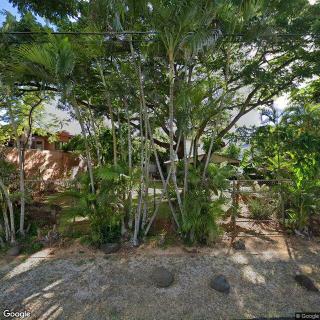


 Recognizing the Journey: Understanding and Navigating Anticipatory Grief
 Encouraging Participation in Adult Day Care: A Guide to Supporting a Hesitant Parent
 Comprehensive Exploration of Living Wills and Other Advance Directives