
433 N Mcgriff St, Whigham, GA 39897
To contact a resident: (229) 762-4121
For more information about senior living options: (866) 208-4318
Overall Review of Pinewood Nursing Ctr
Pros
 Patricia Perry is exceptionally wonderful to the family and is always on top of everything.
- The staff are consistently kind, compassionate, attentive, and welcoming toward Marvin.
- The care at Pinewood Nursing Home is outstanding, giving the family complete peace of mind.
- The facility has greatly improved and is regarded as a great place.
- The staff are amazing and do their best for the residents, and the environment is clean and pleasant.
Cons
 The facility is HORRIBLE.
- The place smells.
- They are keeping him there against his will.
- The way they run things is terrible.
- A family member was kept there for over two months after being ready to go home.
- They are being told various reasons why he can't leave, with no one to ask for help.
- Others said it took forever to get their loved ones out.
Review
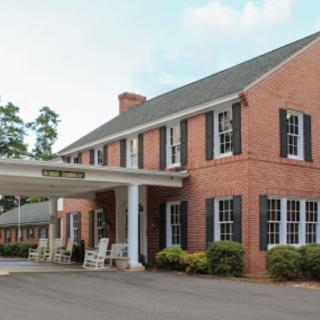
Pinewood Nursing Center in Whigham, GA, is best suited for seniors who need rehabilitation services and value a warm, person-centered front-line experience. Families that prioritize a compassionate, attentive staff and a clean, home-like environment will find Pinewood a reassuring option during recovery or short-term rehab. Those whose priorities include highly coordinated discharge planning, absolute transparency in clinical decision-making, or consistently tight governance across shifts should consider alternatives that emphasize administrative precision and predictable timelines.
On the upside, several reviewers point to strengths that matter in rehab and daily living. The admission process is often described as handled with real care by Patricia Perry, noted for being attentive, welcoming, and reliably on top of details. Front-line staff are repeatedly praised for kindness and genuine concern for residents, creating a sense of safety and warmth at a difficult time. Claims of improvement over time suggest management responsiveness, and where the environment is concerned, several accounts describe a generally clean facility where odors are controlled and comfort is prioritized. For families focused on personal connection and steady, encouraging care, these factors translate into tangible reassurance during a stressful transition.
Nevertheless, significant caveats emerge in the record. A number of reviews allege systemic governance challenges that color the experience, particularly around discharge and care coordination. Instances of prolonged stays after hospital rehab, with explanations that leave families uncertain about readiness to return home, point to gaps in how medical and administrative decisions align. Other accounts describe confusing or inconsistent communications about transfer decisions, and at least one family recounts a caregiver-led move to hospice followed by a return to the nursing home with a subsequent loss, raising questions about oversight and decision-making processes. These divergent experiences indicate that quality of care can be strong on a personal, day-to-day basis, yet the surrounding administrative framework may undermine reliability over the course of a stay.
The pros and cons interact in a way that will drive decisions differently by family need. For those who want a reassuring, person-driven care team and a setting that feels welcoming, Pinewood often delivers substantial value. The care relationships and the responsive admission experience can create peace of mind when a loved one is navigating rehabilitation and the return-to-home transition. However, the same environment can feel unpredictable when discharge timelines stretch or when families sense that administrative decisions are driving the plan rather than medical readiness alone. In practical terms, Pinewood can be a strong fit for short-term rehab with clear goals and active family involvement, but it may be less dependable for residents whose care trajectory requires consistently timely moves and highly transparent governance across shifts.
Careful due diligence is essential. Prospective families should ask for a current discharge coordinator’s process, request realistic timelines for expected rehab lengths, and establish preferred channels for ongoing updates among therapists, nurses, and family members. A candid tour should include conversations with current residents’ families about discharge experiences, as well as a review of recent state surveys or regulator communications to gauge current compliance and any required corrective actions. If possible, request a defined trial period with a concrete discharge plan that all parties sign off on, and compare that plan against nearby facilities known for tighter throughput and more predictable discharge outcomes. This approach minimizes the risk of drifting into prolonged stays or opaque decision-making.
In the end, Pinewood Nursing Center represents a pragmatic choice for families prioritizing warmth, approachable staff, and a rehab-centric atmosphere. It can deliver genuine reassurance through compassionate care and a clean, dignified setting, but it carries a clear caveat: the potential for discharge delays and ambiguous operational decisions. For families whose calculus weighs administrative reliability as heavily as bedside compassion, exploring alternatives with more consistent discharge planning and governance may be prudent. The facility’s mix of strong, personal care and inconsistent administrative experiences is best understood through a hands-on evaluation, with frank conversations about discharge timelines, governance practices, and how staff communicate across the care team. A well-informed decision will align Pinewood’s strengths with the family’s risk tolerance and the resident’s care goals.
 Skilled Nursing Facility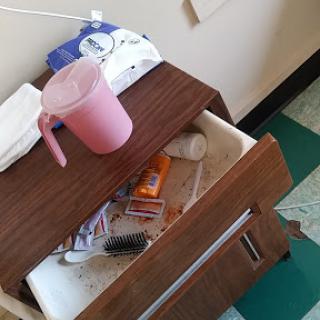



 Encouraging Participation in Adult Day Care: A Guide to Supporting a Hesitant Parent
 Comprehensive Exploration of Living Wills and Other Advance Directives
 A Detailed Exploration of Living Wills and Advance Directives