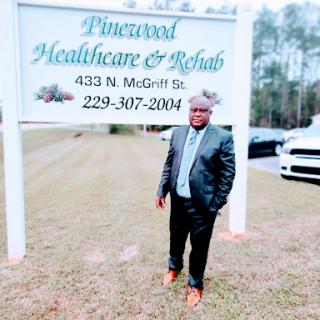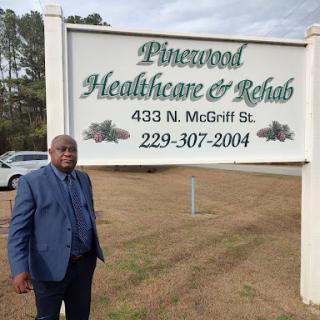
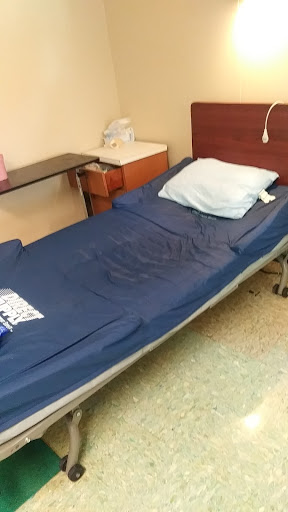
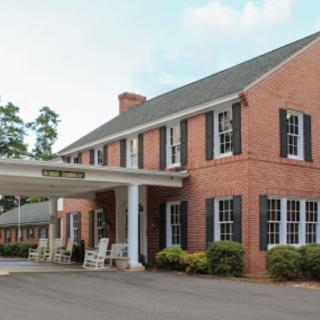
433 North Mcgriff Street, Whigham, GA 39897
For more information about senior living options: (866) 208-4318
Overall Review of Pinewood Nursing Center
Pros
 The staff are amazing and do the best they can for their residents.
- The facility is clean and smells good inside.
- The people are very nice, and the environment is caring and welcoming.
- The place is great.
Cons
 They would not leave their poor dog in this place because it is HORRIBLE.
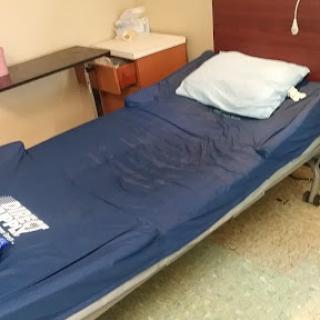
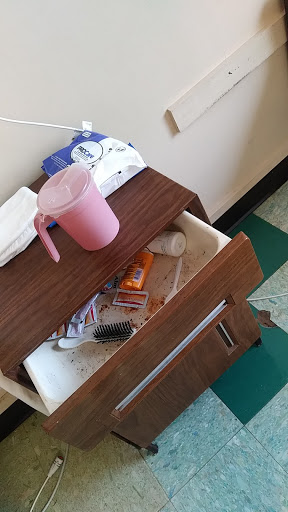
- The place is HORRIBLE, and it smells like faces throughout.
- They wonder how this place stays open.
- The way the facility is run is terrible.
- They say a family member was kept there against his will, and they are told all kinds of reasons why he can't go.
- They believe someone did something to their wife to cause her death.
Review
Pinewood Nursing Center in Whigham, GA is best suited for seniors who prize hands-on, compassionate care delivered in a homey, clean environment. When frontline caregivers are attentive and sincerely focused on residents’ comfort, the daily experience feels warm, respectful, and reassuring. Reviews repeatedly point to a core strength: staff who are caring and welcoming, paired with a clean interior that smells pleasant and feels less institutional. For residents who do not require high-intensity medical intervention or complex therapies, Pinewood can provide reliable day-to-day support and a steady, comforting atmosphere. The fit, however, rests on one significant caveat: the administrative and operational side of the facility can undermine otherwise solid caregiving.
Alternatives should be strongly considered by families facing frequent or prolonged discharge uncertainty, or anyone unwilling to tolerate inconsistent care planning and communication. Some reviewers describe delays in rehab releases, with loved ones staying beyond the anticipated return home, accompanied by vague or conflicting explanations. There are also accounts of confusion surrounding hospice transfers and troubling questions about what happened when a resident died. These patterns signal a need for robust discharge planning, transparent communication, and dependable administrative oversight, areas where other communities may offer more predictability. For residents with higher medical or transitional needs, the risk calculus tilts toward facilities with tighter governance and clearer processes.
On balance, the strongest positives are the people. When staff are described as amazing, caring, and welcoming, everyday life becomes more manageable and dignified, even if the setting remains a nursing center. The evident cleanliness and a well-kept interior amplify these advantages, making ordinary routines smoother and more comfortable. Those benefits, however, do not erase the downsides. Administrative lapses, ambiguous explanations about discharge timelines, and reports of being kept in the facility longer than medically appropriate temper the overall experience and erode trust. In a landscape where family peace of mind matters as much as bedside care, these organizational gaps are a meaningful, often decisive, drawback.
Where Pinewood succeeds, it cultivates a humane, resident-centered rhythm that can offset some risk. The caring staff can counterbalance less-than-ideal public relations by delivering consistent daily support, attentiveness to basics, and genuine warmth. Cleanliness reduces infections, odors, and discomfort, which matters for resident morale. Yet these strengths operate within a fragile framework: when management issues cloud communication or slow the discharge process, families begin to worry about whether solutions are being pursued with urgency. In short, the care experience can feel warm and steady day-to-day, but the broader governance and logistics can undermine overall safety and satisfaction.
Practical steps for families considering Pinewood include conducting a thorough, early assessment of discharge planning and accountability. Request direct meetings with the administrator or the director of nursing, review the care plan with ongoing updates, and ask for a clear timeline for any anticipated transfers or discharges. Observe staffing levels during peak hours and inquire about how shifts affect consistency of care. Ask about how hospice or rehab transitions are managed and who is responsible for coordinating those moves. Speak with current residents’ families to gauge consistency of communication, and set concrete expectations about reporting: incident follow-ups, changes in medical status, and escalation paths if concerns arise.
Bottom line: Pinewood Nursing Center can deliver genuine, compassionate day-to-day care in a clean, welcoming setting, which makes it viable for residents who do not require rapid rehab milestones and who benefit from steady, personable staff. However, the facility’s operational gaps, especially around discharge planning, communication, and perceived governance, make alternatives worth considering for families needing reliable timelines and airtight oversight. If choosing Pinewood, approach with a proactive plan: tour multiple times, ask hard questions, and establish a documented care-and-discharge plan with explicit points of contact. For families seeking fewer days of uncertainty and more predictable transitions, explore other options that demonstrate stronger administrative coordination alongside solid bedside care.
 142 resident community capacity
 Skilled Nursing Facility
 Air-conditioning
 Beauty salon
 Cable or satellite TV
 Computer center
 Dining room
 Fitness room
 Fully furnished
 Gaming room
 Garden
 Housekeeping services
 Kitchenette
 Move-in coordination
 Outdoor space
 Private bathrooms
 Restaurant-style dining
 Small library
 Telephone
 Wellness center
 Wi-Fi/high-speed internet available
 Community operated transportation
 12-16 hour nursing
 24-hour call system
 Activities of daily living assistance
 Assistance with bathing
 Assistance with dressing
 Assistance with transfers
 Diabetes diet
 Medication management
 Mental wellness program
 Special dietary restrictions
 Concierge services
 Planned day trips


 In-Depth Look at the VA Aid and Attendance Program
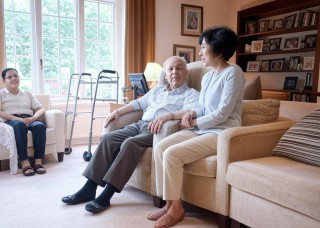 Nurturing Our Loved Ones: A Daughter's Journey in Caring for Her Mother
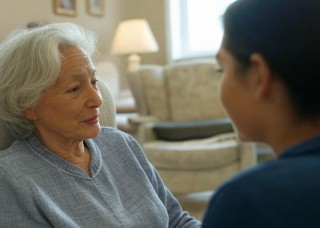 Nurturing Our Elders: Linda's Journey of Supporting Her Mother