







112 Hospital Drive, Washington, GA 30673
For more information about senior living options: (866) 208-4318
Overall Review of Pruitthealth - Washington
Pros
 The staff is consistently friendly, courteous, and respectful, with Nora singled out for her exceptional care.
- The administration welcomes families warmly and makes the rehab or care transition feel smooth and reassuring.
- The care team provides attentive, around-the-clock care, helping residents feel well cared for and safe.
- The meals are praised as good, and the activities (like exercise classes and bingo) contribute to a welcoming, homelike atmosphere.
- Nurses such as Shelby Bailey are highlighted for compassionate, high-quality care.
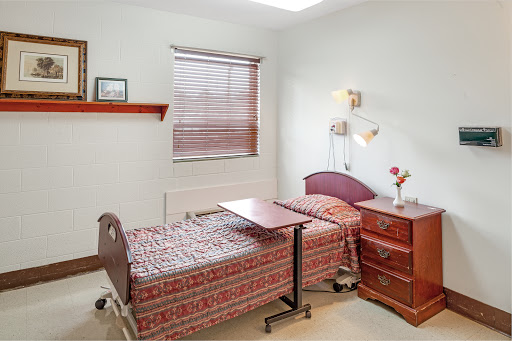
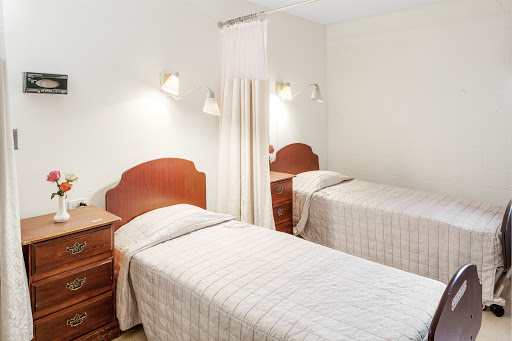
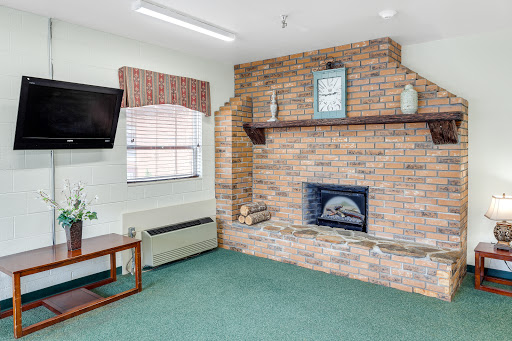
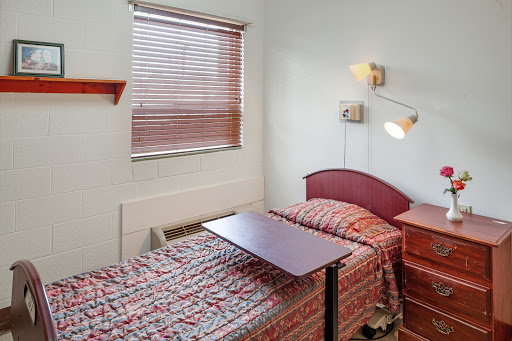
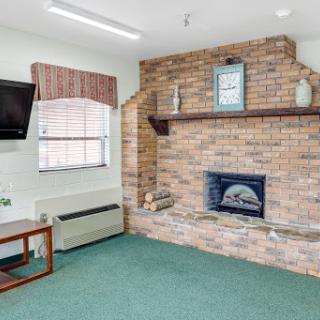
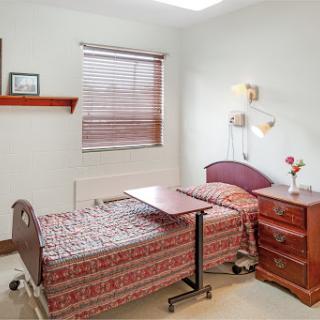
- The facility is clean both inside and outside, creating a comfortable environment.
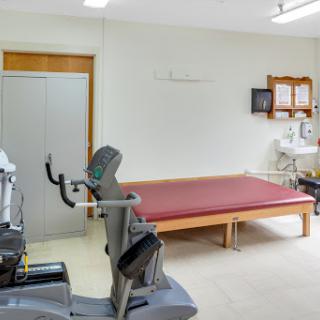
- The staff helps residents regain strength and receive detailed, appropriate care.
Cons
 In the last year or so the care team has declined.
- The top leading staff has fallen off.
- This place needs a serious investigation with family members and residents.
- People are beaten there.
- Definitely not the cleanest place.
- He was removed from the facility and was denied his medication.
- HR does not return calls or emails and when things have been taken to the owner, nothing has been done.
- Patients are at risk based on the quality of people they hire.
Review
PruittHealth Washington in Washington, GA is best suited for families that prize a warm, engaging frontline experience and solid rehab-oriented care, especially when a loved one responds well to routine, regular interaction with staff, and a clean, home-like environment. This community tends to work well for seniors who benefit from predictable daily rhythms, visible kindness from aides and nurses, and a calendar full of activities that support social connection and physical well-being. Those who need unwavering, turnkey medication management, consistently staffed coverage across all shifts, and a governance culture with zero tolerance for care gaps may want to weigh alternatives more carefully. In short, the setting is practical and comforting for many families, but it is not universally ideal for those who prioritize flawless clinical control and ironclad administrative oversight.
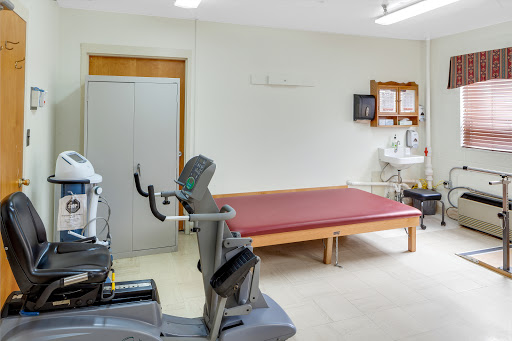
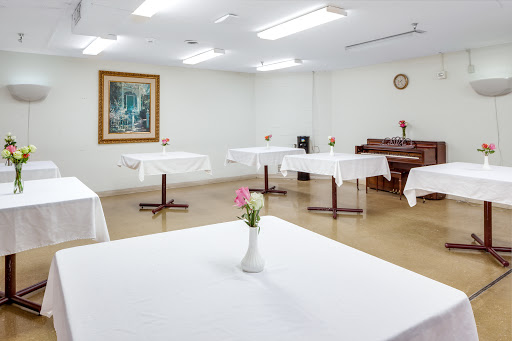
On the plus side, the experiential texture of care at PruittHealth Washington feels solid. Families repeatedly praise the demeanor of the staff, with particular affection for individuals like Nora, and note that administrators and managers have a welcoming, responsive approach during transitions into care. The facility presents as clean and well-kept, from patient rooms to common areas, contributing to a sense of safety and dignity. For residents in rehab or recovery trajectories, there are credible signs of progress: staff support is described as thorough, and the meals are generally well-regarded, contributing to appetite and overall mood. The activity slate, exercise classes, bingo, seasonal events, keeps residents involved and helps sustain quality of life, while the ability to prepare for departures or short-term needs in a timely fashion is cited as a practical strength. All told, the environment can feel trustworthy and refreshing to families seeking visible, everyday competence.
However, a handful of reviews pull the curtain back to reveal meaningful concerns that cannot be dismissed. Several accounts describe a decline in care quality over time, tied to leadership turnover and what appears to be waning consistency in oversight. Medication management emerges as a recurring fault line, instances of miscommunication about dosages, a patient being denied a prescribed medication, and conflicting instructions at discharge, signaling a risk that basic pharmacy processes are not consistently reliable. Basic responsiveness can falter as well: a resident reportedly waited an hour for assistance to use the bathroom while a family member was present, underscoring a potential gap in timely help during peak moments. Most troubling is a documented allegation of abuse and a broader claim that administrative culture may tolerate problematic practices, with criticism aimed at policies, human resources responsiveness, and escalation of concerns. Taken together, these reports point to a real safety and trust question that families must weigh heavily.
Those pros and cons do not cancel each other out; instead they create a nuanced balance that families must assess against their tolerance for risk and their expectations for consistency. The warmth of staff and the reliability of basic daily routines can deliver a meaningful quality of life that shortens the emotional distance between home and care, and for some residents the rehab progression and nutrition profile can translate into tangible daily benefits. Yet these advantages are fragile if medication accuracy, shift coverage, and administrative accountability cannot be held to a steady standard. In practice, the positive elements may offset modest concerns for families who can closely monitor care, advocate effectively, and prefer a more collaborative, family-centered model of oversight. For others, especially those requiring strict, hospital-grade governance, risk tolerance will tilt toward alternative options.
The facility most likely to appeal to families is those not yet pressed into demanding clinical imperatives but who still want credible, personable care, a clean setting, and accessible programs that keep a loved one engaged. Those who cannot tolerate ongoing questions about governance, reports of inconsistent med administration, or weekend staffing gaps should seriously consider other providers with stronger quality assurance frameworks, clearer escalation paths, and a more consistent staffing profile. For stroke survivors or individuals undergoing rehab, PruittHealth Washington offers meaningful potential in the right scenario, provided a strong care plan, explicit medication reconciliation, and a robust weekend coverage protocol are in place. If any of these red flags resonate, it makes sense to explore other options in parallel rather than making a single-path decision.
When a family moves forward with PruittHealth Washington, a deliberate, action-oriented due-diligence plan is essential. Schedule meetings with the facility’s administrator and nursing leadership, and request tours during multiple shifts, including weekends, to test how promptly needs are met and how consistently staff respond. Review the latest state inspections or accreditations and demand a current, written care plan with a transparent medication management process, discharge criteria, and escalation steps for concerns. Speak with several current residents’ families about weekend support, continuity of care, and access to therapy and aides. If choosing this community, set precise expectations up front and agree to a structured trial period with periodic review checkpoints. The setting can be a solid, even excellent choice for the right mix of warmth, structure, and rehab potential, but only when governance, med management, and staffing reliability are demonstrably stable day in and day out.
 47 resident community capacity
 Skilled Nursing Facility
 Beauty salon
 Cable or satellite TV
 Dining room
 Fully furnished
 Garden
 Housekeeping services
 Kitchenette
 Move-in coordination
 Outdoor space
 Restaurant-style dining
 Small library
 Telephone
 Wi-Fi/high-speed internet available
 24-hour call system
 Activities of daily living assistance
 Assistance with bathing
 Assistance with dressing
 Assistance with transfers
 Diabetes diet
 Medication management
 Mental wellness program
 Special dietary restrictions








 Caregiver Exhaustion: Recognizing the Signs and Restoring Your Well-Being
 Understanding Hospice Care at Home: Comprehensive Services, Key Benefits, and Eligibility
 Understanding the Full Cost of 24/7 In-Home Care: A Detailed Overview