

Highway 78 & Oglethorpe St, Crawford, GA 30630
To contact a resident: (706) 743-5452
For more information about senior living options: (866) 208-4318
Overall Review of Quiet Oaks Nursing Home
Pros
 The staff are loving and become like family to residents and their families.
- The staff stand by families, cry with them, and provide loving support through difficult times.
- Residents are loved and well cared for in this facility.
- The staff consistently provides phone updates when changes occur, keeping families informed.
- Families never have to wonder if their loved one is being cared for.
- The facility is staffed by nice, friendly, and professional people.
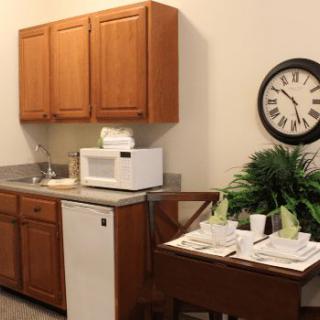
- The facility is well maintained with a clean environment and delivers quality care in trying circumstances.
Cons
 The staff were not doing their job and kept the mom doped up to avoid addressing her health issues; they should be ashamed.
- The administrator did not return a call after a family member left a voicemail about care for their mother-in-law, while other places responded within 1–2 days.
Review
Quiet Oaks Nursing Home in Crawford, GA is best suited for families that prize a warm, intimate atmosphere where staff form genuine bonds with residents and keep families closely informed about care changes. This community shines for residents who respond well to personal attention, meaningful interactions, and a home-like environment rather than a sterile, clinical feel. When medication updates, care plan shifts, and day-to-day caregiving trust are priorities, Quiet Oaks often delivers with a level of emotional support that can feel almost like an extension of family.
Those weighing alternatives should note that the strongest caveat is the variability some families report in staffing consistency and leadership responsiveness. While several families sing praises of a caring, engaged team, other accounts raise red flags about accountability and communication gaps. Prospective families with high medical complexity, urgent needs for timely escalation, or a requirement for unwavering administrative follow-through should scrutinize these areas closely. A facility can feel reassuring in person, but the history of mixed communication outcomes warrants careful probing before committing.
The program’s positives are shaped by a staff that many families describe as loving, supportive, and devoted. Stories abound of staff who “became our family” and stayed by a resident’s side through difficult times, offering emotional warmth alongside competent care. Regular phone updates about medication changes and responsive callbacks contributed to a sense of transparency and trust for those involved in daily decision-making. The environment is noted as clean and well-kept, with a fresh, pleasant odor and a calm, orderly atmosphere that supports comfort and safety.
On the downside, the more negative voices highlight meaningful concerns. Allegations that staff did not address underlying health issues or relied on sedating residents to sidestep difficult tasks are serious and not easily dismissed. Another recurring thread is limited administrator accessibility, one family specifically cited not receiving a return call, contrasting with other places that prioritized prompt communication. Together, these concerns point to an uneven experience: care quality can be excellent when the team is engaged, but lapses in leadership responsiveness can undermine trust and create lasting worry for families.
That tension between strong, compassionate caregiving and gaps in accountability is the key balancing act at Quiet Oaks. For families who value the human connection, the kind that makes a difficult transition more bearable, the pros can offset many drawbacks, delivering days when residents feel seen, supported, and well cared for. However, for those who require flawless clinical oversight, rigorous medication management, and consistently proactive leadership, the cons may outweigh the benefits. The facility’s real strength rests in the ability of the caregiving team to rally around a resident’s needs; the risk lies in uneven systems that fail to translate that care into timely, reliable administrative action.
Decision-making should center on disciplined due diligence. Prospective residents and families should schedule extended visits at multiple times to observe shifts, speak directly with frontline staff, and request candid answers about medication management protocols and escalation procedures. Ask to meet the administrator and to review recent care plans and family communications. Seek references from current residents or families who have recent experiences to gauge consistency beyond the strongest days. If a warm, family-like caregiver culture is the top priority and robust oversight is acceptable with vigilant reporting, Quiet Oaks can be a blessing. If not, exploring alternatives with steadier clinical governance and steadier leadership may prove prudent.
 Skilled Nursing Facility




 Comprehensive Exploration of Living Wills and Other Advance Directives
 A Detailed Exploration of Living Wills and Advance Directives
 Comprehensive Guide to Medicare Coverage for Hospice Care