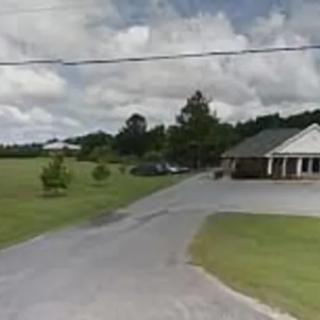
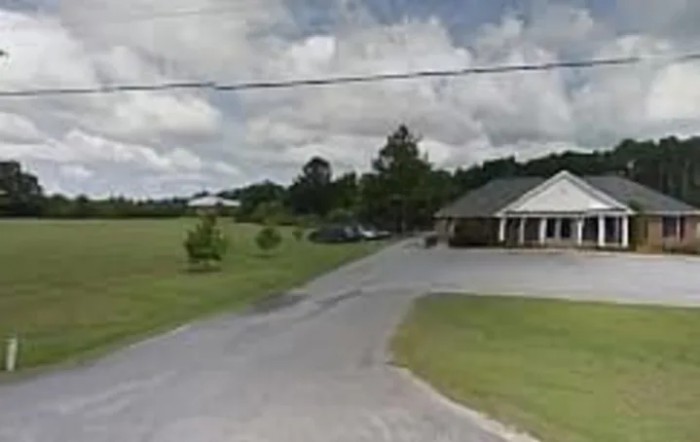
511 Mt. Pleasant Road, Thomson, GA 30824
For more information about senior living options: (866) 208-4318
Overall Review of Thomson Health And Rehabilitation
Pros
 The new CNA was very sweet and helpful.
- The staff were compassionate and professional with Barbara Sue.
- A former schoolmate thrived there for seven years thanks to the facility's care.
- Seven years of care through the COVID-19 pandemic was outstanding.
- Nurses and care staff did everything possible to make the stay pleasant.
- The personnel seemed very friendly.
- They offered bingo and preaching services as activities.
Cons
 The facility is described as the nastiest place the reviewer has ever seen.
- The electrical setup includes a surge protector plugged into the wall and tacked over the door.
- There is mold on the wall behind the bed.
- Feces were left in a diaper on the dresser.
- There is no TV.
- The bed had a dirty sheet on the floor.
- The room was not clean at all for the next person.
- The facility is not a true rehab facility, and the CNAs or nurses are not up to standard.
- The establishment smells old, looks antiquated, and induces depression and uneasiness.
- The care planning process is described as being about formalities and politics.
- The facility is too far from Augusta.
- A CNA allegedly left a patient unsupervised with a razor, leading to self-harm.
Review
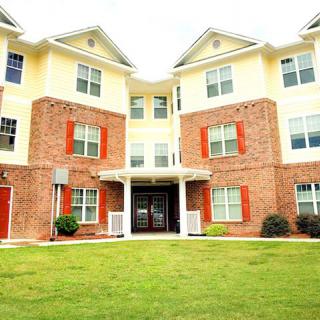
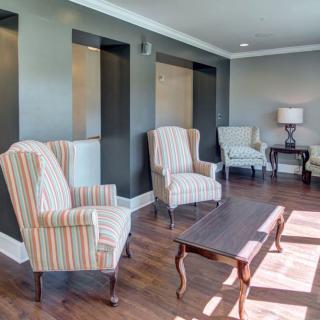
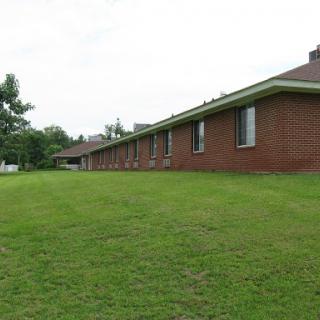
This Thomson Health And Rehabilitation is best suited for families operating on a tight budget who can actively supervise daily care and tolerate an older, crowded facility that does not promise pristine surroundings or heavy clinical oversight. It can work for a short rehab stay or routine care when cost matters more than polish, provided there is a plan for regular family or trusted aide involvement. In short, the community rewards those willing to trade a modern, spotless environment for affordability and the possibility of staying connected through frequent in-person visits. It is not the pick for families prioritizing spotless rooms, seamless clinical management, or a setting built around aggressive rehab protocols.
Alternatives should be strongly considered for residents with high safety needs, cognitive challenges, or dependence on consistent, professionally staffed rehab teams. Those who demand impeccable hygiene, a modern facility, and reliable CNA-to-resident coverage will find more secure options elsewhere. If proximity to Augusta or a larger medical ecosystem is less important than guaranteed cleanliness and steady care teams, other local facilities are likely to deliver a more protective environment. Residents who require structured memory care or specialized clinical oversight should pursue facilities with demonstrated expertise in those programs, rather than this community’s variable staffing and facilities.
On the upside, a handful of staff members emerge as meaningful connection points, with at least one CNA described as sweet and helpful and nurses who show compassion. The care teams can keep a relative engaged through long periods, and social activities such as bingo and preaching services provide predictable routines that ease anxiety for some residents. These threads of warmth matter and prove genuine care can exist even under staffing pressure. The location also matters for families who need to visit without long drives. Yet these positive notes sit alongside a pattern of fluctuating staffing and uneven daily experience that blunt their broader impact on quality of life.
The most troubling picture centers on sanitation and safety gaps. Across multiple accounts, rooms and wards were not consistently clean, with mold and odors signaling ongoing housekeeping challenges. Instances of unsanitary conditions, such as dirty bedding or even exposed waste, underscore a risk families cannot ignore. Overcrowding worsens the environment, and reports of staff juggling many roles point to insufficient CNA and nurse coverage. The care-planning process is described by some as more formal than substantive, leaving families uneasy about how needs will be met consistently. A serious safety lapse was alleged in at least one account, involving unsupervised moments during a potential self-harm risk, a red flag that cannot be dismissed by any responsible decision-maker.
For families evaluating this community, a disciplined, question-driven tour is essential. Inquire about current cleanliness standards, room-by-room inspections, and the availability of a steady nurse and CNA team on each shift. Speak with residents about daily routines, meals, and the consistency of care, and probe for concrete examples where care planning led to real improvements rather than paperwork. Inspect common areas for smells, condition, and safety equipment, and verify the presence of basic amenities like a TV in the room. Request recent state inspection results or complaint logs and ask how urgent safety concerns, wound care, and fall prevention are handled in practice. If answers feel reactive rather than proactive, that signals a facility requiring intense family oversight long-term.
In summary, Thomson Health And Rehabilitation presents a stark trade-off: affordability and a handful of compassionate staff moments versus pervasive cleanliness issues, crowding, and inconsistent clinical coverage. For households able to supervise care closely and willing to accept a facility that may demand urgent oversight, it can function as a budget-friendly short-term option or a basic residential choice. For most seniors requiring reliable safety, consistently clean conditions, and steady, professional rehab, alternatives with stronger track records are advisable. The decision should hinge on whether cost relief justifies ongoing vigilance, and whether the family can provide the level of oversight necessary to counter the facility’s most consequential gaps.
 150 resident community capacity
 Skilled Nursing Facility
 Air-conditioning
 Beauty salon
 Cable or satellite TV
 Computer center
 Dining room
 Fitness room
 Fully furnished
 Gaming room
 Garden
 Housekeeping services
 Kitchenette
 Move-in coordination
 Outdoor space
 Private bathrooms
 Restaurant-style dining
 Small library
 Telephone
 Wellness center
 Wi-Fi/high-speed internet available
 Community operated transportation
 12-16 hour nursing
 24-hour call system
 Activities of daily living assistance
 Assistance with bathing
 Assistance with dressing
 Assistance with transfers
 Diabetes diet
 Medication management
 Mental wellness program
 Special dietary restrictions
 Concierge services
 Planned day trips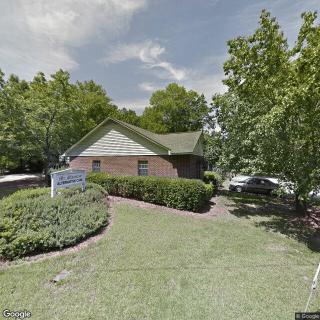


 Understanding the Nuances of Palliative Care and Hospice: A Comprehensive Exploration
 Fecal Incontinence in Older Adults: A Comprehensive Guide
 Nurturing Well-Being Through Gardening: A Detailed Guide for Senior Enthusiasts