

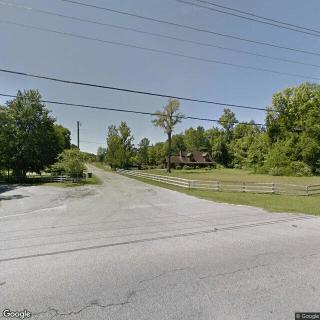
459 Highway 119 South, Springfield, GA 31329
For more information about senior living options: (866) 208-4318
Overall Review of Effingham Care Center
Pros
 The facility provided exceptional care for the mother.
- The family would recommend the facility to others needing swing bed services.
- Physical therapy was provided twice daily, five days a week, with regular occupational therapy.
- Requests for help were met quickly with pleasant assistance.
- The team aimed to get Mom well and transition her from hospital to home in a timely, appropriate manner.
- Pat and the care providers were gratefully appreciated for their dedication.
- The staff showed a high level of compassion and kindness, with nurses described as angels on Earth.
- The facility was clean and the staff was great.
Cons
 The reviews are all positive; there are no negative third-person statements to list. If you’d like, I can extract positive third-person statements instead.
Review
Effingham Care Center in Springfield, GA is most appropriate for families seeking a facility that excels in short-term, post-acute rehab with a clear aim to return the resident to home quickly. The reviews emphasize a strong rehabilitation track, twice-daily physical therapy and regular occupational therapy, delivered with prompt, courteous responses from care staff. The emphasis on a hospital-to-home trajectory, rather than prolonged custodial care, makes this community a solid match for seniors who are recovering from a hospital stay and need focused therapy to regain function. The staff’s compassion is repeatedly highlighted, and the environment is described as clean and free of odor, reinforcing a sense of respect and dignity during a critical recovery window.
Those considering alternatives should note where Effingham’s strengths may not align with different needs. Families pursuing long-term, around-the-clock medical complexity, advanced dementia care, or highly specialized memory-care programming may want to compare options with dedicated memory units or higher acuity capabilities. The ratings include some lower marks, suggesting that not every family experiences the same level of satisfaction, which can reflect differences in expectations around daily routines, ongoing chronic care, or transparency in discharge planning. For residents who require sustained, non-rehab-focused oversight or a broader array of social and therapeutic offerings beyond rehab-oriented services, other communities may offer a more comprehensive fit.
The strongest positives, the rapid response to assistance requests, the consistency of care teams, and the focused rehab regimen, tend to offset the potential downsides for the target use case. Families report that help is readily available whenever needed and that therapy teams stay engaged with clear goals aimed at getting residents home. Cleanliness and an odor-free environment reinforce a sense of well-being and reduce stress during a vulnerable period. For families valuing a caring, almost “angelic” bedside presence from nurses and aides, Effingham delivers on emotional reassurance as well as clinical attention, which often makes a meaningful difference in recovery momentum and peace of mind.
To make the most of a potential stay, prospective residents and their families should ask targeted questions during tours or initial assessments. Inquire about the exact schedule and intensity of therapy, whether weekends see consistent staffing, and how discharge planning is managed, the pathway from hospital to home should be clearly defined. Confirm the availability of nurses for non-therapy concerns and how quickly staff respond to requests for help. It’s prudent to probe how a swing-bed stay would transition into beyond-acute care if recovery plateaus, and whether there are options for ongoing support if home recovery needs evolve. Understanding daily routines and meal planning can also help gauge compatibility with personal preferences.
Cost structure and length of stay will hinge on medical needs and insurance coverage, but the swing-bed model inherently centers the experience on rehabilitation with a finite horizon tied to recovery goals. Families should clarify what happens after discharge: will there be a transition to home health services, outpatient therapy, or a longer-term placement within the same campus? For those seeking a purely custodial, 24/7-care environment, or a facility with deeper specialization in chronic or terminal conditions, budgeting time to visit alternatives is wise. Effingham Care Center delivers strong rehab outcomes and a compassionate atmosphere, but its best fit rests with residents aiming to regain independence quickly and families prioritizing responsiveness and cleanliness over a broader long-term care catalog.
In the end, Effingham Care Center stands out as a practical, steady choice for post-acute recovery with an emphasis on getting residents home as efficiently as the medical condition allows. It rewards families who value proactive therapy schedules, quick help, and a warm, clean setting. Those who need extended, highly specialized care or who want a long-term, all-inclusive living arrangement may be better served by comparing with other communities that emphasize memory care capabilities, palliative pathways, or broader social programming. A well-timed visit, asking the hard questions about discharge trajectories, staffing norms, and post-acute options, will reveal whether this community aligns with the specific recovery and long-term goals of the resident.
 105 resident community capacity
 Skilled Nursing Facility
 Air-conditioning
 Beauty salon
 Cable or satellite TV
 Computer center
 Dining room
 Fitness room
 Fully furnished
 Gaming room
 Garden
 Housekeeping services
 Kitchenette
 Move-in coordination
 Outdoor space
 Private bathrooms
 Restaurant-style dining
 Small library
 Telephone
 Wellness center
 Wi-Fi/high-speed internet available
 Savannah International (18 miles away)
 Community operated transportation
 12-16 hour nursing
 24-hour call system
 Activities of daily living assistance
 Assistance with bathing
 Assistance with dressing
 Assistance with transfers
 Diabetes diet
 Medication management
 Mental wellness program
 Special dietary restrictions
 Concierge services
 Planned day trips




 Ten Vital Duties of a Senior Caregiver: A Comprehensive Guide
 9 Stimulating Memory Activities for Seniors: Puzzles, Cards, and Much More
 Managing Nursing Home Expenses After Medicare Coverage Ends