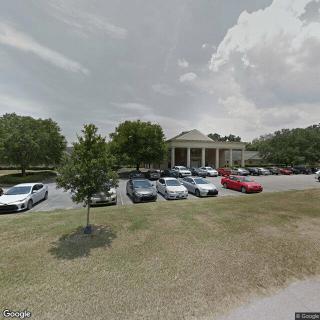
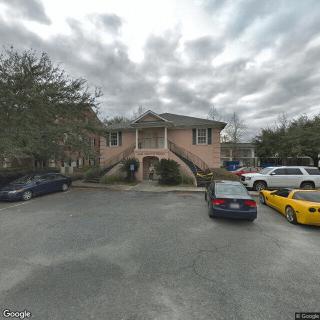
2040 Colonial Drive, Savannah, GA 31406
For more information about senior living options: (866) 208-4318
Overall Review of Azalealand Nursing Home
Pros
 The staff is caring, supportive, communicative and kind.
- The staff is friendly, professional, helpful and patient, and the food is very good.
- The facility is wonderful at caring for residents and demonstrates a strong focus on patient well-being.
- The home is locally owned and family run, with owners present daily, and the staff is nice and cooperative.
- The nurses and therapists are kind and helpful, reflecting a strong emphasis on patient care.
- The facility offers engaging activities for residents, such as book clubs, games, and ice cream.
Cons
 The reviewer notes zero compassion.
 - They were never available to help with his loved one.
- He was told repeatedly that no one would come to check on him.
- He always smelled like urine.
- The facility did not deserve any stars.
- They could not provide any type of special diet for rehab patients.
- They were severely understaffed or their staff was extremely lazy.
- Her death was a result of blatant neglect.
- Patients were left in their own filth for up to 12 hours.
- They lied to insurance and claimed she was ready to be released.
- They would not recommend anyone put their loved one there.
- Some caregivers were the complete opposite and should probably leave nursing.
Review
Azalealand Nursing Home in Savannah is best suited for families who want a small, family-owned, locally led setting where leadership is clearly present on site and care tends to feel personalized. The long-standing, private ownership, established in 1947 by a local doctor and his wife, creates a sense of continuity and accountability that appeals to families seeking a hands-on, community-focused environment. For residents needing moderate daily assistance, structured rehabilitation, and a steady social program, Azalealand can deliver a warm, neighborly atmosphere with staff who are praised for kindness and approachability.
Those weighing alternatives should consider that this community is not uniformly praised across all experiences. Several reviews describe severe gaps in compassion, responsiveness, and overall safety, including situations where help was scarce, odors or cleanliness concerns appeared, and families faced frightening questions about care quality. The breadth of experiences suggests that the facility may not be the best fit for families that require watertight clinical governance, highly predictable staffing, or rigorous oversight of medical needs. Families with loved ones who have complex medical conditions or high-risk needs may want to look at facilities with demonstrated, consistent clinical supervision and transparent accountability.
The strongest pros at Azalealand, hands-on ownership, visible leadership, and, in many cases, genuinely caring staff, do have meaningful impact. Several positive accounts highlight attentive nurses, supportive therapists, and a resident experience that includes engaging activities, a sense of community, and dependable rehab services. The rehabilitation and physical therapy teams are repeatedly credited with helping patients regain strength and mobility, which is crucial for short- and long-term recovery. In environments where a family can cultivate direct lines of communication and partner with a proactive care team, these strengths can offset some variability in everyday staffing, particularly for residents who respond well to a familiar, family-like setting.
However, the main drawbacks are substantive and affect decision-making. Inconsistent staffing and reported lapses in supervision can translate into missed cues, delayed assistance, or uneven quality of care between shifts. Diet and hydration concerns recur in the feedback, with questions raised about individualized meal planning, diabetic or other special-diet accommodations, and fluid intake monitoring. Disquieting anecdotes about discharge pressures and insurance-related decisions further complicate trust in the facility’s clinical and administrative processes. Taken together, these cons underscore a core risk: care quality and safety may hinge on staffing rhythms and on-the-ground leadership day to day, rather than a uniformly applied standard.
To navigate this landscape, families should conduct targeted diligence before deciding. Visit and observe, speaking with residents and families about daily routines, response times, and meal service. Request a candid conversation with the administrator about staffing ratios, nurse coverage, and how diet orders are managed for residents with medical or nutritional restrictions. Inquire about rehab protocols, goal-setting, and how progress is communicated to families. Ask for recent quality indicators, turnover rates among front-line staff, and a written plan for any ongoing medical concerns. Finally, explore current residents’ engagement levels, activity calendars, and whether private rooms or shared accommodations align with expectations for comfort and privacy.
Bottom line: Azalealand offers a compelling option for families seeking a traditional, intimate, locally owned setting with substantive rehab capabilities and a personable staff backbone. The advantages of personal attention, continuity of ownership, and a livelier activity environment can make a real difference for residents who fit a moderate-care profile and whose families are prepared to actively partner with the facility. Yet this community carries notable risks tied to staffing inconsistency, variable care experiences, and complex medical or dietary needs. If peace of mind about clinical governance and unwavering daily reliability is non-negotiable, exploring alternatives with stronger, more uniform oversight is prudent. For the right family, a careful, up-front assessment can confirm whether Azalealand’s strengths outweigh the drawbacks in the specific case of a loved one.
 107 resident community capacity
 Skilled Nursing Facility
 Air-conditioning
 Beauty salon
 Cable or satellite TV
 Computer center
 Dining room
 Fitness room
 Fully furnished
 Gaming room
 Garden
 Housekeeping services
 Kitchenette
 Move-in coordination
 Outdoor space
 Private bathrooms
 Restaurant-style dining
 Small library
 Telephone
 Wellness center
 Wi-Fi/high-speed internet available
 Savannah International (11 miles away)
 Community operated transportation
 12-16 hour nursing
 24-hour call system
 Activities of daily living assistance
 Assistance with bathing
 Assistance with dressing
 Assistance with transfers
 Diabetes diet
 Medication management
 Mental wellness program
 Special dietary restrictions
 Concierge services
 Planned day trips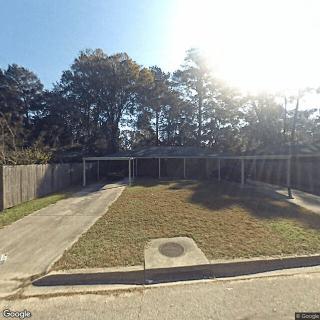


 Comprehensive Look at Senior Blood Pressure Charts: Normal and Elevated Levels by Age
 Top Canine Companions for Older Adults
 Comprehensive Guide to Blood Pressure Charts for Older Adults: Understanding Normal and High Readings by Age