For more information about senior living options: (866) 208-4318
2.8 from 57 reviews
5 stars
20
4 stars
5
3 stars
2
2 stars
2
1 stars
28
Overall Review of Abercorn Rehabilitation Center
differentiator7 reviews mention this
Wound care is a key divide
Wound care is a major point of praise and concern in reviews.
Several residents and families mention bed sores or worsening wounds, including cases where wound care communication was questioned and outcomes were described as severe. Other reviewers describe an in-house wound care team and highlight wound care as a standout strength. Across these accounts, families appear to pay close attention to whether wound care is actually being performed and explained during the stay.
caveat5 reviews mention this
Medication delivery draws complaints
Reviews frequently describe problems with medications being administered or communicated.
Some reviewers report that medications were not given as expected or were handled without clear instruction for families. Others describe medication timing or pain-med needs not being handled in a way they thought appropriate. Taken together, residents’ families often frame medication management as a communication and follow-through issue, not just a scheduling detail.
caveat6 reviews mention this
Facility cleanliness is mixed
Cleanliness is inconsistent across residents’ experiences in reviews.
A number of reviewers say the facility feels clean, including comments about no odors and a generally well-kept environment. At the same time, other reviews describe unsanitary conditions, including smells, dirty entryways, and pests. This split suggests cleanliness is highly variable from unit to unit or over time, at least as reflected in reviews.
common6 reviews mention this
Food quality affects satisfaction
Dining quality comes up repeatedly, with both positive and negative feedback.
Some residents and visitors describe the food positively, while others criticize it for being cold, hard to eat, or otherwise unappealing. Several reviews connect food concerns with the overall care experience, and at least one describes portion size issues. Even for families who were generally satisfied, food quality still shows up as an important factor in day-to-day satisfaction.
How we summarize
Counts show how many written reviews mention each theme; a review can touch several themes, and only frequently mentioned themes are displayed.
Features
Housing
100 resident community capacity
Types of Care
Skilled Nursing Facility
Amenities
Air-conditioning
Beauty salon
Cable or satellite TV
Computer center
Dining room
Fitness room
Fully furnished
Gaming room
Garden
Housekeeping services
Kitchenette
Move-in coordination
Outdoor space
Private bathrooms
Restaurant-style dining
Small library
Telephone
Wellness center
Wi-Fi/high-speed internet available
Transportation
Savannah International (10 miles away)
Community operated transportation
Transportation arrangement
Transportation arrangement (non-medical)
Transportation to doctors appointments
Care Services
12-16 hour nursing
24-hour call system
24-hour supervision
Activities of daily living assistance
Assistance with bathing
Assistance with dressing
Assistance with transfers
Diabetes diet
Meal preparation and service
Medication management
Mental wellness program
Special dietary restrictions
Dining
Diabetes diet
Special dietary restrictions
Activities
Community-sponsored activities
Concierge services
Fitness programs
Planned day trips
Resident-run activities
Scheduled daily activities
Videos
Nearby Places of Interest
Pharmacies
CVS Pharmacy (0.1 miles)
Walgreens (0.3 miles)
Lo Cost Pharmacy (0.7 miles)
Walmart Pharmacy (1.2 miles)
Lewis Brothers (1.5 miles)
CVS Pharmacy (2.4 miles)
Kroger Pharmacy (2.8 miles)
Hospitals
St Joseph s Transitional Care Unit (0.1 miles)
St Joseph's/Candler Health (3.7 miles)
Georgia Regional Hospital (4.4 miles)
Physicians
Karen Karen Z Hanna Hanna MD (0.1 miles)
Dr Jose Rendon-Garcia Internal Medicine (0.1 miles)
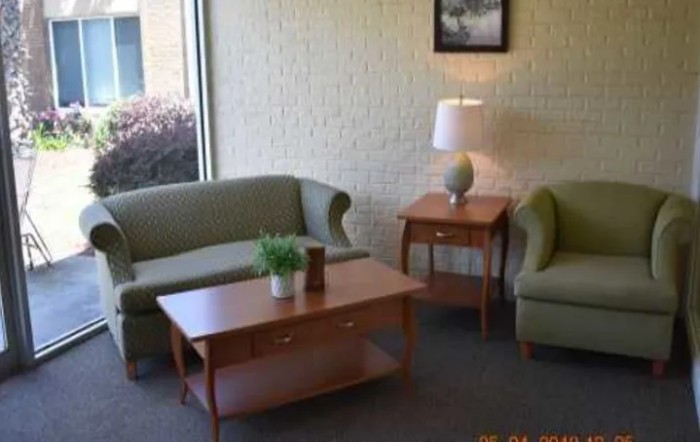
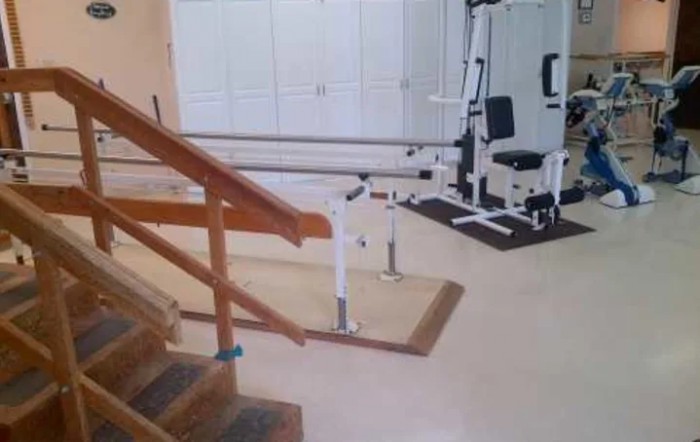
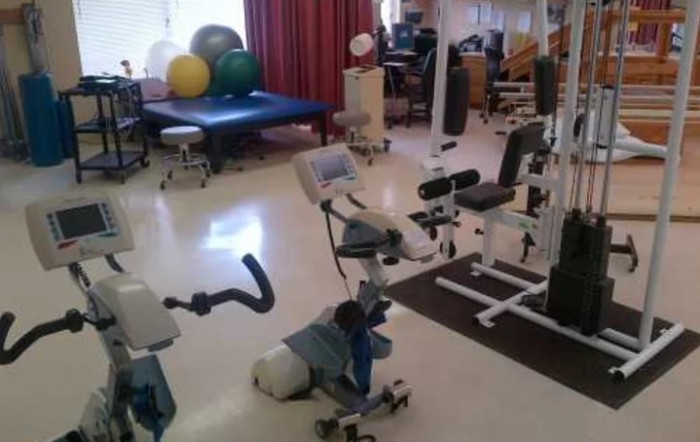
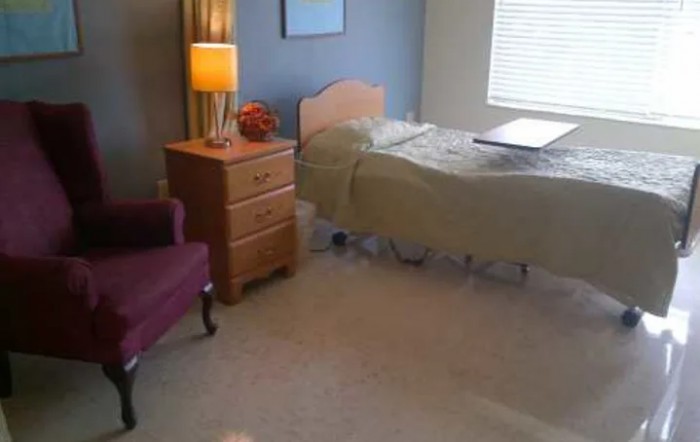
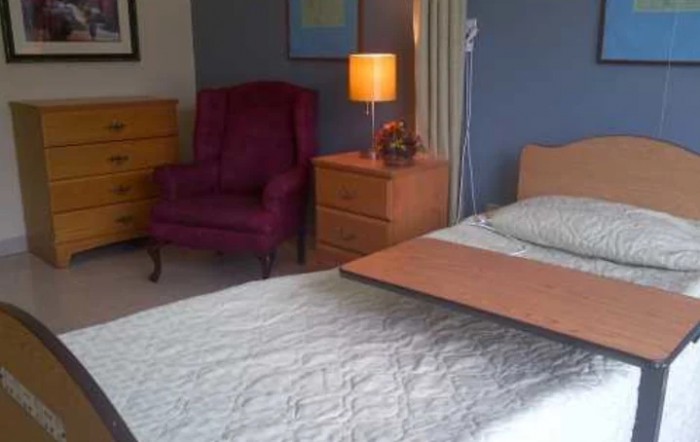
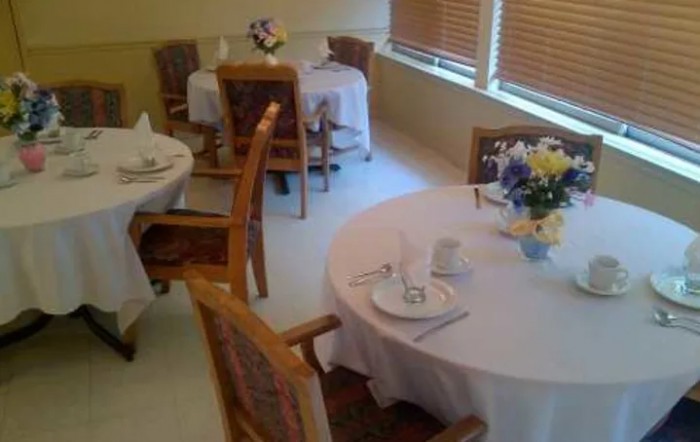
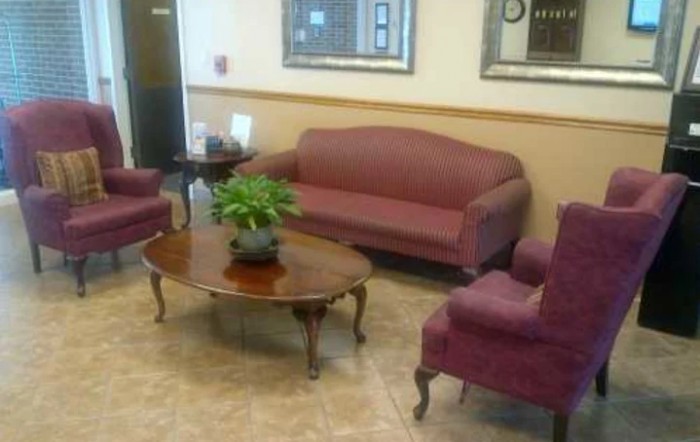
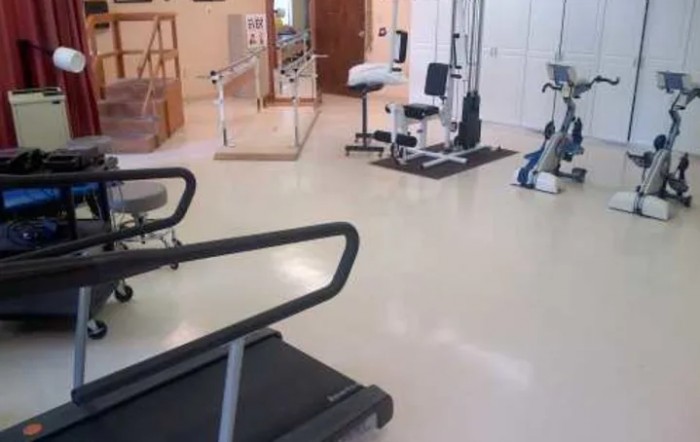
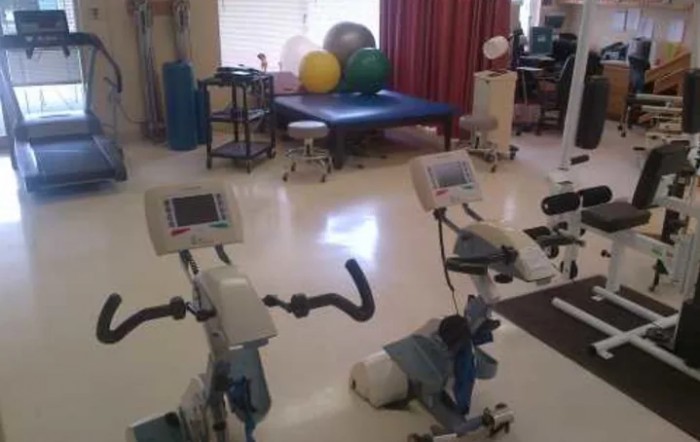
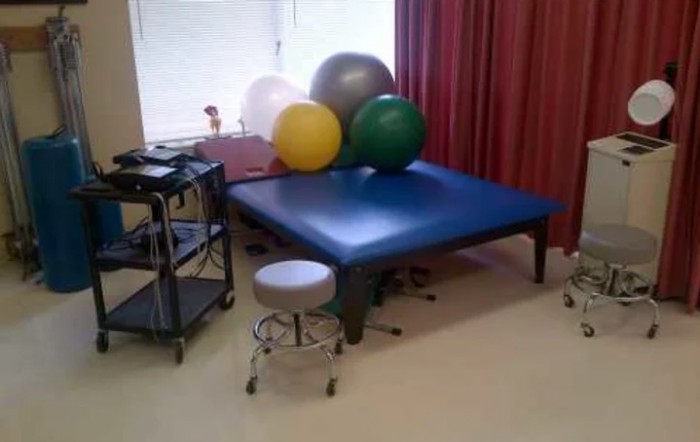
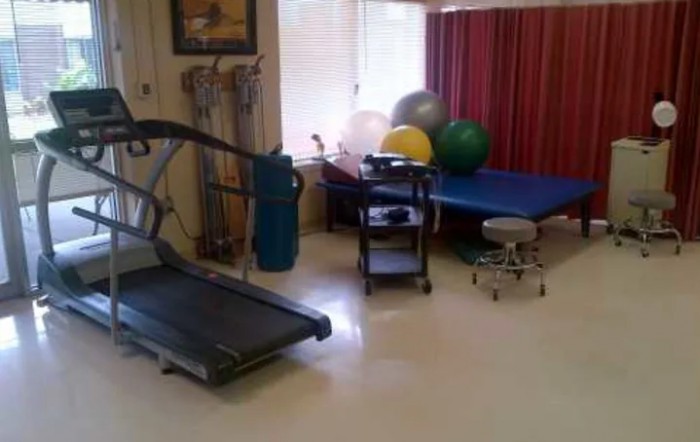
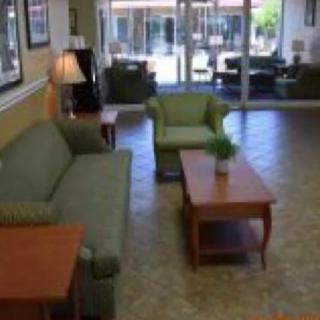
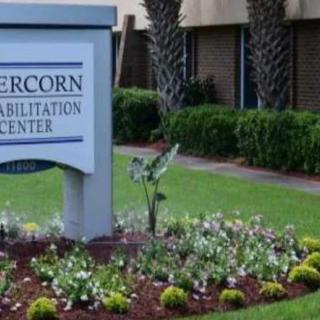
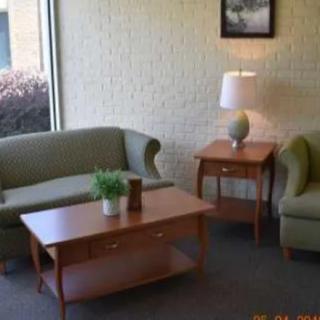
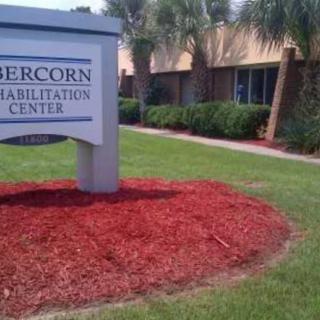
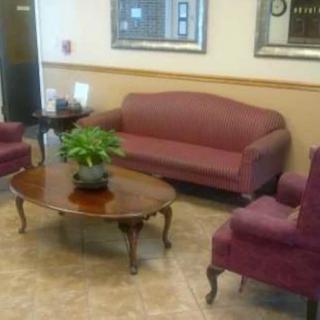
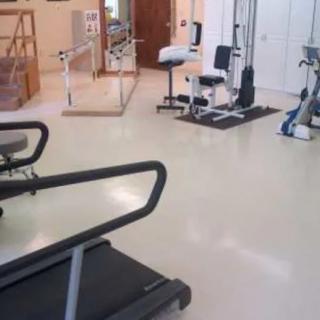
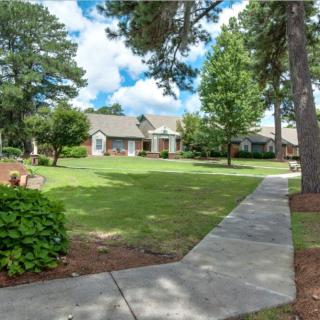
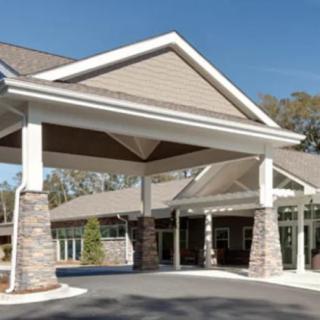
Abercorn Rehabilitation Center on seniors.fyi includes 19 photos including images showing exercise equipment, landscaping, interior, rehabilitation, physical therapy, outdoors, garden, building, and more.
Nearby Communities
St Joseph's Transitional Care Unit
Savannah, GA
Comprehensive 24/7 care with ADL support, dietary meals, medication management, and move-in coordination.
JZC Personal Care Home
Savannah, GA
1 from 2 reviews
$1,500 / month
Private rooms and relatively low monthly price ($1,500).
The Social at Savannah
Savannah, GA
4.4 from 130 reviews
$1,795 to $4,030 / month
Supportive staff, clean facility, and engaging activities.
The Social at Savannah
Savannah, GA
4.6 from 137 reviews
Caring, friendly staff; clean, well-organized environment with engaging activities and convenient transportation; comfortable apartments with on-site amenities.
807 Tavern Road
Savannah, GA
Comprehensive assisted living with 24-hour supervision and dietary accommodations.
Mg Personal Care I
Savannah, GA
Small, personalized care with comprehensive services.
Savannah Square
Savannah, GA
4.3 from 166 reviews
$2,850 to $3,500 / month
Warm, friendly community with engaging activities, helpful staff, and reliable safety and care options.
Sunabella at Savannah
Savannah, GA
4.7 from 70 reviews
$3,895 to $4,395 / month
Compassionate, family-like staff with a warm, engaging environment and personalized care.
Pruitthealth - Savannah
Savannah, GA
4.1 from 125 reviews
Clean, welcoming environment with strong therapy staff and well-maintained rooms.
Geriatric care managers create personalized care plans for older adults, addressing their medical, social, financial, and psychological needs while coordinating services and advocating for their well-being. They help families navigate caregiving challenges but may be hindered by high costs and a shortage of qualified professionals.
The article highlights the importance of empathy and open communication when comforting someone who is grieving, noting that grief is unique to each individual and emphasizing the need for sincere expressions of condolence, active listening, and ongoing support. It also addresses cultural differences in mourning practices and encourages tailored approaches to provide effective comfort.
Home health care aides provide vital medical and non-medical support to individuals at home, assisting with daily living activities and promoting emotional well-being, while the demand for these services increases due to an aging population. Families benefit from in-home care's flexibility and cost-effectiveness but face challenges like scheduling consistency and caregiver turnover.
Get PricingAsk A QuestionSchedule A TourContact Senior Advisor
By clicking submit, you agree to our Partner's Terms of Use. You
also consent to receive calls and texts, which may be autodialed, from our Partner. Your consent is not a condition to
using our Partner's service. Please visit our Partner's Privacy Policy for information about their privacy practices.













 100 resident community capacity
 Skilled Nursing Facility
 Air-conditioning
 Beauty salon
 Cable or satellite TV
 Computer center
 Dining room
 Fitness room
 Fully furnished
 Gaming room
 Garden
 Housekeeping services
 Kitchenette
 Move-in coordination
 Outdoor space
 Private bathrooms
 Restaurant-style dining
 Small library
 Telephone
 Wellness center
 Wi-Fi/high-speed internet available
 Savannah International (10 miles away)
 Community operated transportation
 12-16 hour nursing
 24-hour call system
 Activities of daily living assistance
 Assistance with bathing
 Assistance with dressing
 Assistance with transfers
 Diabetes diet
 Medication management
 Mental wellness program
 Special dietary restrictions
 Concierge services
 Planned day trips
 Comprehensive 24/7 care with ADL support, dietary meals, medication management, and move-in coordination.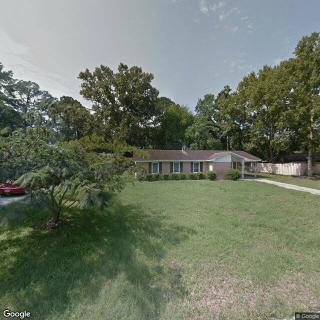



 Is a Geriatric Care Manager the Right Choice for Your Family?
 Compassionate Conversations: How to Comfort Someone Who Is Grieving
 Home Health Care Aides: Understanding Their Role and Supporting Your Family