For more information about senior living options: (866) 208-4318
3.4 from 106 reviews
5 stars
51
4 stars
12
3 stars
5
2 stars
5
1 stars
33
Overall Review of Lake City Nursing And Rehabilitation Center
common
Staff care is a mixed theme
Residents and families often mention the staff as either attentive and kind or lacking follow-through.
Many reviews describe supportive staff who communicate well, address concerns, and keep families updated, including references to nurses, CNAs, therapists, and social workers. Several other reviews are sharply critical, citing neglect, poor communication, and situations where care did not happen as expected. Across these accounts, the experience depends heavily on the individual shift, wing, and who is providing care at the time.
common
Cleanliness comes up often
Cleanliness is a recurring point, with residents describing both clean conditions and strong odor or dirt concerns.
Some visitors and families say the facility feels clean, including room and bathroom cleanliness and a generally “clean” smell when they enter. Other reviews describe serious cleanliness problems such as odors, soiled linens, mold, and unclean rooms. Together, the reviews suggest cleanliness is not consistently experienced in the same way from one visit to another.
caveat
Nursing communication and responsiveness
Several families report trouble reaching staff or delays in responding to urgent needs.
Some reviews praise staff for being reachable and for answering calls promptly during intake and daily updates. Other reviews report difficulty contacting the nurses’ station by phone, staff not checking as needed at night, and unanswered call buttons during emergencies. A few reviews also describe needing follow-up on medications, showers, and notifications, implying communication lapses can affect care.
differentiator
Rehab and therapy support
Physical therapy and related rehab services are highlighted as an important part of the experience.
A number of reviews specifically mention therapy and rehab progress, including improvements attributed to physical therapy and speech therapy support. Several families also describe a rehab-focused approach, with encouragement and daily care that helped with recovery after surgery or health events. At the same time, some negative reviews discuss missing or inadequate help with basic needs, which contrasts with the therapy praise in other stories.
common
Activities and facility life
Community activities are mentioned, though not everyone feels they are consistently delivered.
Reviews reference activities and day-to-day engagement, including resident interactions, planned programming, and arts-and-crafts time. Others say they were told activities existed but that participation was not encouraged when a patient refused. This suggests activities may be available but vary in how they are handled depending on resident preferences and staff follow-through.
How we summarize
We summarize when many written reviews mention each theme; a review can touch several themes, and only frequently mentioned themes are displayed.
Features
Housing
242 resident community capacity
Types of Care
Skilled Nursing Facility
Amenities
Air-conditioning
Beauty salon
Cable or satellite TV
Computer center
Dining room
Fitness room
Fully furnished
Gaming room
Garden
Housekeeping services
Kitchenette
Move-in coordination
Outdoor space
Private bathrooms
Restaurant-style dining
Small library
Telephone
Wellness center
Wi-Fi/high-speed internet available
Transportation
William B Hartsfield-Atlanta International (7 miles away)
Community operated transportation
Transportation arrangement
Transportation arrangement (non-medical)
Transportation to doctors appointments
Care Services
12-16 hour nursing
24-hour call system
24-hour supervision
Activities of daily living assistance
Assistance with bathing
Assistance with dressing
Assistance with transfers
Diabetes diet
Meal preparation and service
Medication management
Mental wellness program
Special dietary restrictions
Dining
Diabetes diet
Special dietary restrictions
Activities
Community-sponsored activities
Concierge services
Fitness programs
Planned day trips
Resident-run activities
Scheduled daily activities
Nearby Places of Interest
Located in Lake City, Georgia, this area is a bustling community with a variety of amenities and services nearby. For medical needs, there are several physicians and pharmacies within a short distance, including Southern Crescent Behavioral Medicine and Walgreens. Dining options range from fast food chains like Chick-Fil-A and McDonald's to more casual spots like Arby's. If you're looking for entertainment, the AMC Southlake 24 theater is just a few miles away. Outdoor enthusiasts will appreciate the proximity to Forest Park Recreation & Parks for leisurely walks or picnics. In terms of healthcare, Southern Regional Health System is conveniently located for any medical emergencies. Overall, this area offers convenience and accessibility for seniors looking to settle down in a vibrant community.
Physicians
Hicks David W DDS (0.9 miles)
Clayton Eye Center (2 miles)
Kelly Rich, MD (2 miles)
For Eyes (2.4 miles)
Southern Crescent Behavioral Medicine (4.1 miles)
Kevin Stewart Freeman (4.2 miles)
Village Overlook (4.4 miles)
Pharmacies
Walgreens (1 miles)
CVS Pharmacy (2 miles)
CVS Pharmacy (4 miles)
CVS Pharmacy (4.4 miles)
Walgreens (4.6 miles)
Walgreens (4.9 miles)
CVS Pharmacy (5.2 miles)
Restaurants
Chick-Fil-A (2.2 miles)
Chick-Fil-A (2.5 miles)
Arby's (2.5 miles)
McDonald's (2.5 miles)
McDonald's (4.2 miles)
Chick-Fil-A (4.3 miles)
McDonald's (4.5 miles)
Cafes
Eat More Korean (2.2 miles)
Theaters
AMC Southlake 24 (2.5 miles)
Starlight Six Drive-In (7.4 miles)
Parks
Forest Park Recreation & Parks (2.8 miles)
Memorial Park (6.7 miles)
Hospitals
Southern Regional Health System (4.1 miles)
Labor & Delivery (4.2 miles)
Transportation
International Arrivals Hall (6.2 miles)
TSA PreCheck (6.2 miles)
Maynard H. Jackson International Terminal (6.3 miles)
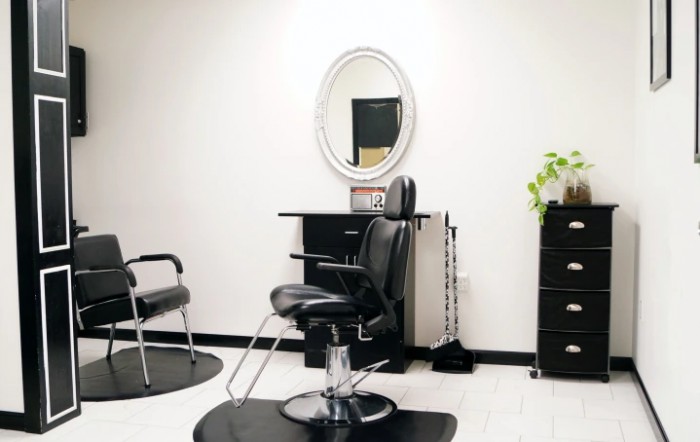
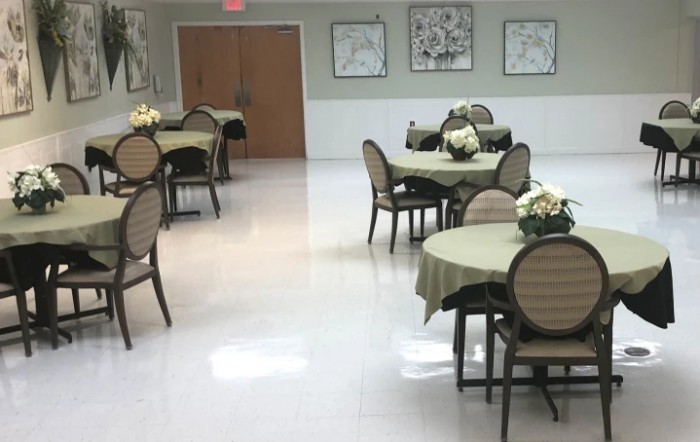
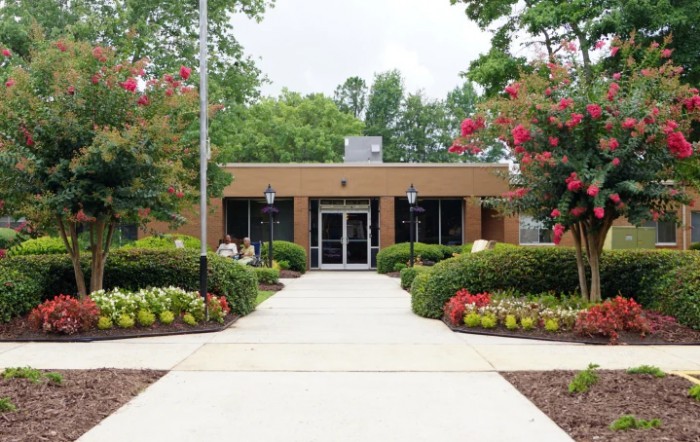
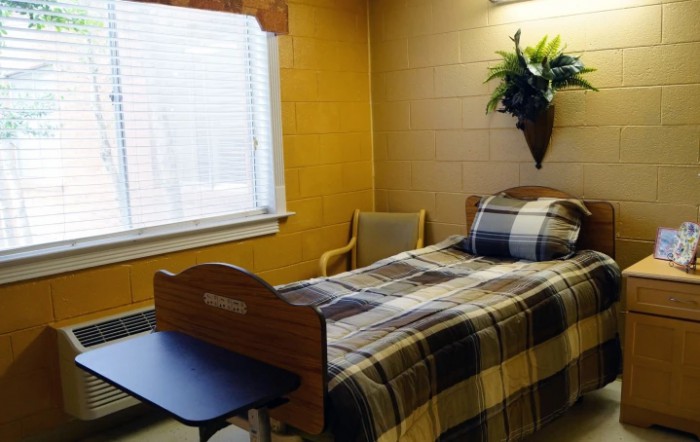
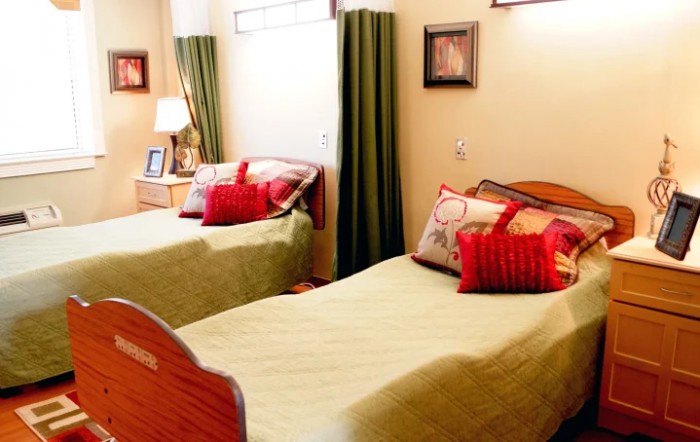
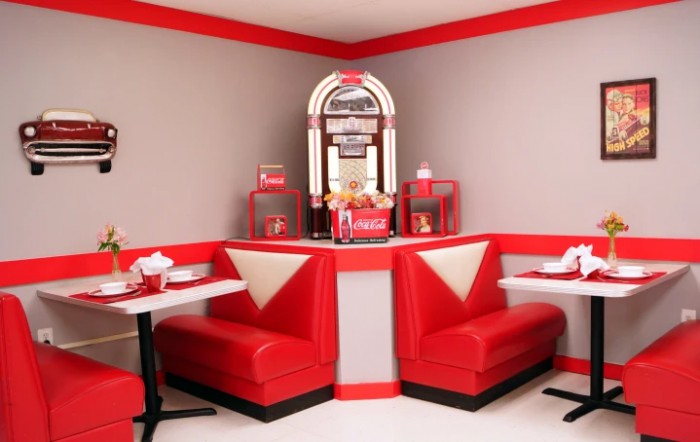
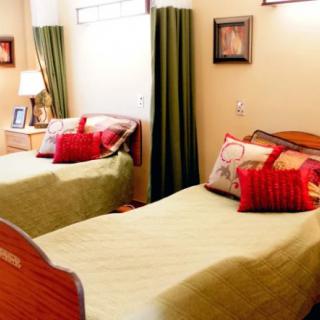
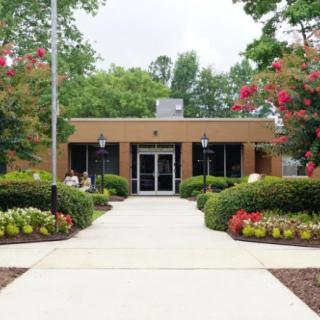
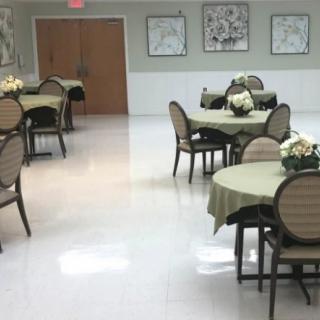
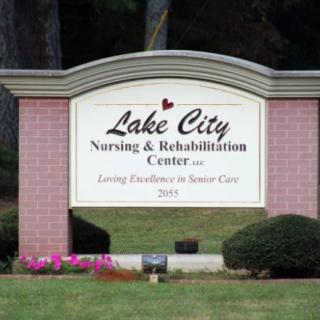
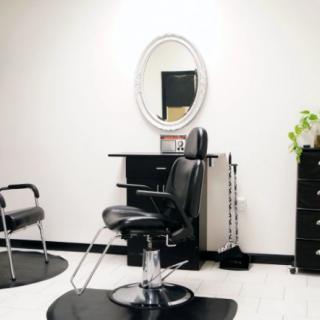
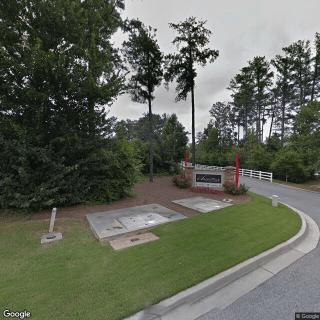
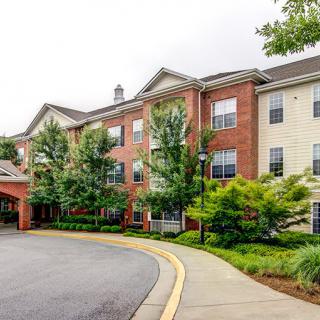
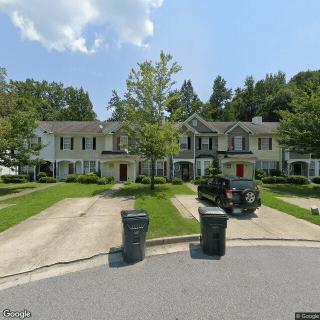
Lake City Nursing And Rehabilitation Center on seniors.fyi includes 7 photos including images showing interior, bedroom, decor, salon, garden, trees, shrubs, windows, and more.
Nearby Communities
Crenshaw
Morrow, GA
Comprehensive care and amenities with 24-hour supervision, ADL assistance, diabetes diet and medication management, plus restaurant-style dining and a variety of social activities.
Reynolds
Lake City, GA
5 from 20 reviews
Intimate, personalized care with a 4-resident capacity
Bonnie's Private Personal Care
Morrow, GA
4.2 from 6 reviews
24/7 supervision with comprehensive caregiving and restaurant-style dining.
Jagdeo Home Care
Morrow, GA
$1,800 to $2,500 / month
Competitive pricing for semi-private and private rooms with comprehensive assisted living services.
New Dawn Personal Care Home
Morrow, GA
Strong access to nearby healthcare, dining, parks, and entertainment.
Platinum Care Personal Care Home
Morrow, GA
5 from 2 reviews
$1,600 to $1,800 / month
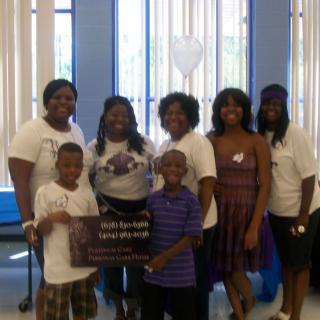
Compassionate, family-like care in a clean, cheerful environment.
Ashton Walk Apartments
Forest Park, GA
3.7 from 58 reviews
$625 to $740 / month
Spacious layouts at affordable rent with helpful staff.
Palms of Lake Spivey
Lake Spivey, GA
4.3 from 65 reviews
$2,700 to $3,500 / month
Friendly staff, strong activity program, and spacious, well-maintained apartments.
Safe Care Homes Group
Riverdale, GA
4.7 from 70 reviews
$500 to $800 / month
Affordable pricing with extensive amenities and specialized care options.
Skilled nursing facilities (SNFs) provide high-level medical care and rehabilitation for short-term recovery, typically covered by Medicare after hospitalization, while nursing homes focus on ongoing custodial care for chronic conditions, mainly funded by Medicaid or private payments. The staffing and regulatory structures differ significantly between the two, necessitating clarity for families in choosing appropriate long-term care options.
Nursing home care costs in the U.S. vary significantly based on location, level of care, and amenities, with private room prices ranging from approximately $6,700 to over $30,000 monthly. Families need to explore various payment options and conduct thorough research to manage these expenses effectively.
Nonmedical home care provides assistance with daily activities and companionship for individuals wishing to maintain independence and quality of life at home, without medical intervention. Its growing popularity is driven by an aging population, the need for supportive environments for recovery, and the emotional benefits of caregiver companionship, while costs vary based on service frequency and location.
Lake City Nursing And Rehabilitation Center photos
×
Interior
Decor
Building
Dining
Outdoor
Salon
Interior
Decor
Bedroom
Dining
Landscaping, Building, Trees, Garden, Entrance, Pathway, and Shrubs
Windows
Outdoor and Rehabilitation
Salon and Minimalist
Additional Photos
Get PricingAsk A QuestionSchedule A TourContact Senior Advisor
By clicking submit, you agree to our Partner's Terms of Use. You
also consent to receive calls and texts, which may be autodialed, from our Partner. Your consent is not a condition to
using our Partner's service. Please visit our Partner's Privacy Policy for information about their privacy practices.

 242 resident community capacity
 Skilled Nursing Facility
 Air-conditioning
 Beauty salon
 Cable or satellite TV
 Computer center
 Dining room
 Fitness room
 Fully furnished
 Gaming room
 Garden
 Housekeeping services
 Kitchenette
 Move-in coordination
 Outdoor space
 Private bathrooms
 Restaurant-style dining
 Small library
 Telephone
 Wellness center
 Wi-Fi/high-speed internet available
 William B Hartsfield-Atlanta International (7 miles away)
 Community operated transportation
 12-16 hour nursing
 24-hour call system
 Activities of daily living assistance
 Assistance with bathing
 Assistance with dressing
 Assistance with transfers
 Diabetes diet
 Medication management
 Mental wellness program
 Special dietary restrictions
 Concierge services
 Planned day trips
 Comprehensive care and amenities with 24-hour supervision, ADL assistance, diabetes diet and medication management, plus restaurant-style dining and a variety of social activities.
 Skilled Nursing Facilities vs. Nursing Homes: Making Sense of the Differences
 A Detailed Examination of Nursing Home Costs Across the U.S.
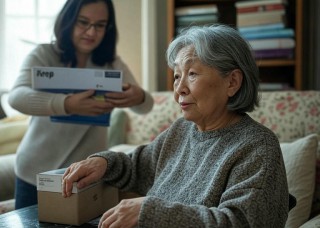 Exploring Nonmedical Home Care: Understanding Services, Costs, and Financial Approaches