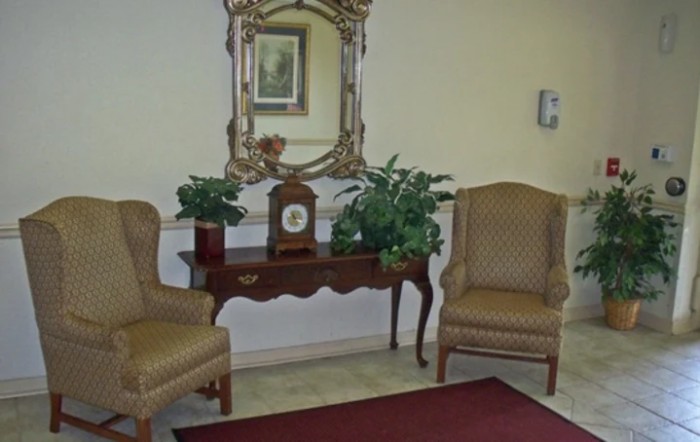
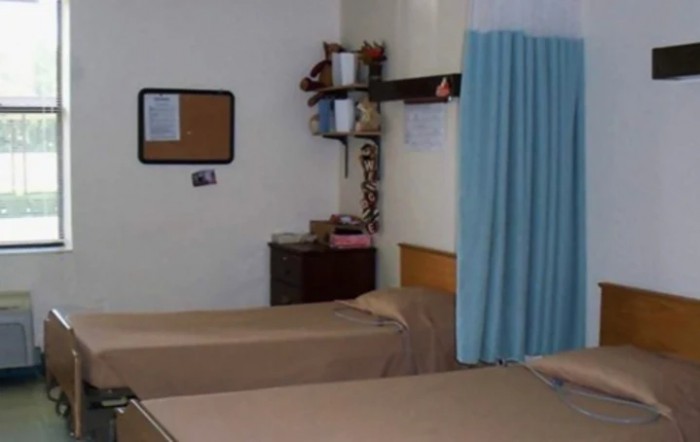
2036 South Main Street, Madison, GA 30650
For more information about senior living options: (866) 208-4318
Overall Review of Madison Health And Rehab
Pros
 The facility is worth the money and is full of great people with heart and priorities.
- It’s described as the best place.
- Staff know the residents personally and recognize family connections, making care feel personal.
- The rehab center at Madison is described as good.
Cons
 The nurse dismissed serious symptoms as normal for age and dementia.
- The family had to point out all the health concerns themselves because staff failed to notice.
- The facility was short-staffed and unprepared to care for dementia patients.
- The staff were unprofessional and hung up on the family when asked to help.
- The facility is not equipped to accommodate dementia or Alzheimer's patients.
- The rehab staff were not great and were very demanding.
Review
Madison Health And Rehab is best suited for families that prize warmth and personal connection, where staff genuinely knows residents and treats them with heart. The community appears well matched to seniors who need daily assistance and a rehab-oriented cadence, delivered in an approachable, less clinical setting. Price is a practical consideration, and the facility earns points for offering value relative to comparable options. This is not a luxury campus; it is a practical place where relationships and daily engagement matter. However, for residents whose needs are highly complex, especially cognitive impairment or acute medical issues, the fit becomes more nuanced and calls for careful scrutiny.
The strongest, most consistent positives center on the people who work there. Multiple reviewers emphasize staff who care deeply about residents, recall names, and demonstrate a genuine commitment to daily well‑being. One family highlighted staff members who not only know their loved one but also share a personal connection, underscoring a culture of attentiveness and respect. Another observer described the facility as “the best place,” underscoring a sense of community, purpose, and moral priorities among the team. A rehab-focused backdrop also surfaces as a practical advantage, with remarks about useful therapy options that accompany the daily living rhythm, reinforcing the sense that the staff intends to help residents progress and recover.
Yet, serious red flags appear in other threads, driven by credible safety and care-oversight concerns. A comfortingly comprehensive account of a grandmother’s decline underscores failures in timely recognition and escalation of symptoms, nursed explanations framed as normal aging or dementia, followed by a rapid, disturbing deterioration that culminated in pneumonia and ICU care. That narrative highlights risks around symptom assessment, hospital transfer timing, and the potential for life-threatening delays when medical issues are brushed off or minimized. Such episodes erode confidence in the facility’s ability to consistently intervene when conditions worsen, signaling a critical area for prospective families to probe.
Additional reviews amplify the warning light: reports from a dementia-focused perspective describe staffing shortages and alerts about being asked to monitor a loved one at home because staff cannot reliably provide care on site. In one instance, a staffer’s communication was bluntly unsatisfactory, including an abrupt discharge-like tone when families pressed for appropriate care. A separate account from a rehab stay recounts a highly demanding environment and situations where a patient felt physically unable to comply with care plans, suggesting a culture in which patient autonomy is restricted rather than supported. Collectively, these notes illuminate a pattern where medical acuity, consistent dementia care, and reliable staffing may be uneven.
The key pros, genuine, compassionate staff; a rehab-friendly, resident-centered atmosphere; and the sense that care is delivered with heart, do offset some risk for residents without heavy medical needs or advanced dementia. For families seeking a manageable, home-like environment where staff relationships can meaningfully improve daily life, the positives can translate into meaningful quality of life and satisfaction. However, the magnitude of the cons cannot be ignored. When dementia or complex medical monitoring is a principal concern, and when rapid escalation of medical issues is a priority, the downsides become material considerations that may tilt the recommendation toward alternatives with stronger medical oversight and dementia-capable programming.
In short, Madison Health And Rehab warrants serious consideration for residents who value human warmth, consistent interpersonal connections, and a clear rehab focus, provided there is careful, proactive oversight by family and medical partners. For others, particularly those dealing with advanced dementia, significant medical fragility, or a history of delayed medical escalation, the deliberation should tilt toward facilities with demonstrated strength in high-acuity care, robust staffing, and specialized dementia programs. Prospective families are advised to have direct conversations about staffing levels, escalation protocols, and the facility’s approach to cognitive impairment, and to seek out recent, facility-specific performance data before deciding.
 70 resident community capacity
 Skilled Nursing Facility
 Air-conditioning
 Beauty salon
 Cable or satellite TV
 Computer center
 Dining room
 Fitness room
 Fully furnished
 Gaming room
 Garden
 Housekeeping services
 Kitchenette
 Move-in coordination
 Outdoor space
 Private bathrooms
 Restaurant-style dining
 Small library
 Telephone
 Wellness center
 Wi-Fi/high-speed internet available
 Community operated transportation
 12-16 hour nursing
 24-hour call system
 Activities of daily living assistance
 Assistance with bathing
 Assistance with dressing
 Assistance with transfers
 Diabetes diet
 Medication management
 Mental wellness program
 Special dietary restrictions
 Concierge services
 Planned day trips







 In-Home Care Costs in 2025: A Detailed State-by-State Exploration
 Understanding Home Health Care: A Comprehensive Guide
 Home Health Care Demystified: A Comprehensive Guide for Families and Caregivers