1067 Battlefield Parkway, Fort Oglethorpe, GA 30742
For more information about senior living options: (866) 208-4318
3.9 from 89 reviews
5 stars
54
4 stars
11
3 stars
5
2 stars
1
1 stars
18
Overall Review of Pruitthealth - Fort Oglethorpe
common39 reviews mention this
Staff are caring, but mixed
Residents and families describe both very caring help and occasions where service feels unprofessional.
Many reviewers say staff members are friendly, helpful, and attentive—especially when they are onboarding, answering questions, or keeping families informed. Several also describe caregivers by name and highlight regular communication about health status and comfort. At the same time, a smaller set of reviews report rough phone experiences, rude interactions, and concerns about how promptly care needs were handled.
common7 reviews mention this
Clean rooms, but odor complaints
Families frequently mention cleanliness, though some reviewers report strong odor concerns.
Positive reviews repeatedly point to a clean building and clean rooms, including reports of no urine smell in hallways and bedrooms. Some residents also describe improvements like cleaner, newer-feeling areas and furnishings. However, other reviews call out unpleasant smells, including strong odor in shared spaces, which is a recurring negative detail for those reviewers.
common2 reviews mention this
Diet needs and food quality
Meal support is important here, with reviews referencing pureed food and mixed meal quality.
One reviewer describes their loved one’s meals being pureed due to swallowing and related limitations, which ties directly to the attention families are watching for with diet needs. Another review mentions that some food was not great and that meal combinations felt off to them. The community also offers dining tied to special dietary restrictions and diabetes diets.
caveat8 reviews mention this
Care consistency and staffing concerns
Some reviews raise concerns about care consistency, including delays with basic needs.
A few reviewers describe situations where they felt information wasn’t communicated clearly, such as not being told about severe pain and later describing it differently. Others mention missed or delayed basics like showers, clothing changes, or care tasks, and describe it as happening during short staffing. One review also contrasts therapy help with concerns about portions of the nursing staff, and another review says the facility felt understaffed and overworked.
How we summarize
Counts show how many written reviews mention each theme; a review can touch several themes, and only frequently mentioned themes are displayed.
Features
Housing
120 resident community capacity
Types of Care
Skilled Nursing Facility
Amenities
Air-conditioning
Beauty salon
Cable or satellite TV
Computer center
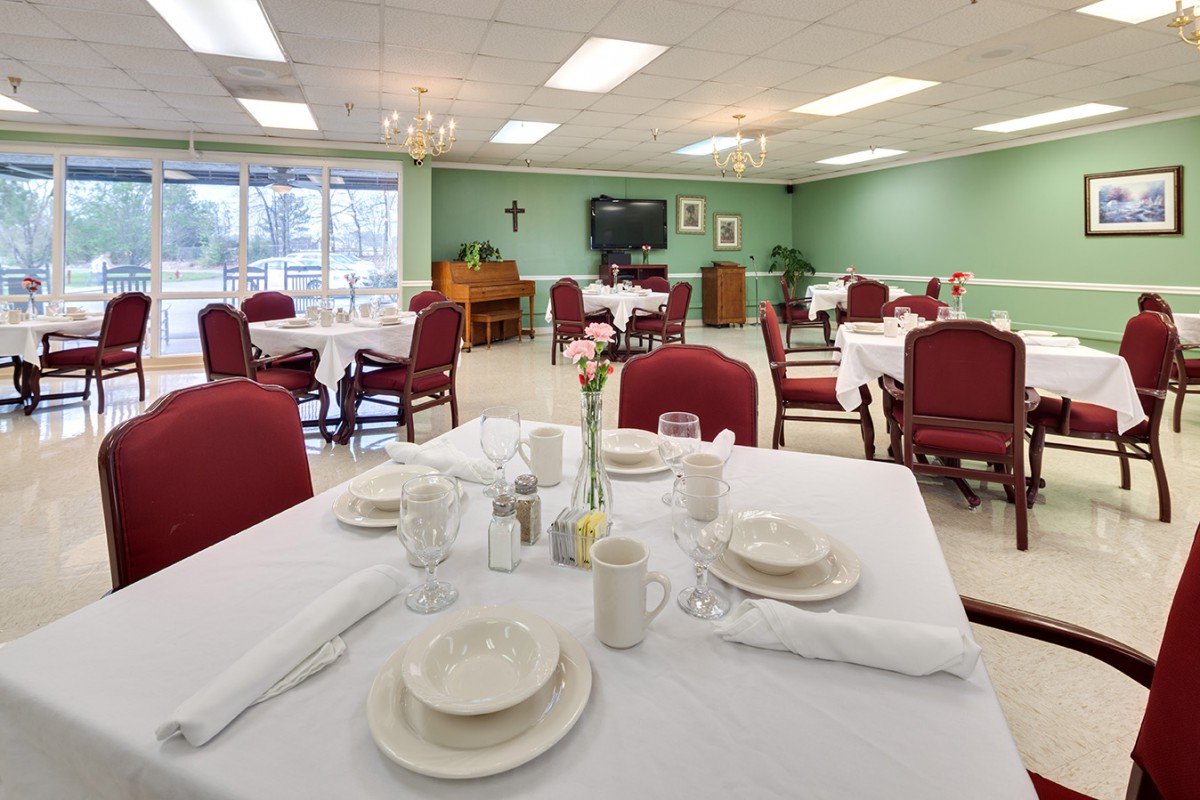
Dining room
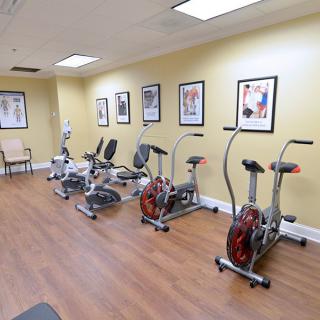
Fitness room
Fully furnished
Gaming room
Garden
Housekeeping services
Kitchenette
Move-in coordination
Outdoor space
Private bathrooms
Restaurant-style dining
Small library
Telephone
Wellness center
Wi-Fi/high-speed internet available
Transportation
Lovell (6 miles away)
Community operated transportation
Transportation arrangement
Transportation arrangement (non-medical)
Transportation to doctors appointments
Care Services
12-16 hour nursing
24-hour call system
24-hour supervision
Activities of daily living assistance
Assistance with bathing
Assistance with dressing
Assistance with transfers
Diabetes diet
Meal preparation and service
Medication management
Mental wellness program
Special dietary restrictions
Dining
Diabetes diet
Special dietary restrictions
Activities
Community-sponsored activities
Concierge services
Fitness programs
Planned day trips
Resident-run activities
Scheduled daily activities
Nearby Places of Interest
Restaurants
Chick-Fil-A (0.1 miles)
Cook Out (0.2 miles)
Golden Corral (0.4 miles)
KFC (0.4 miles)
El Matador Mexican Restaurant (0.7 miles)
Corazon de Mexico (1.7 miles)
Wendy's (2.5 miles)
Pharmacies
CVS Pharmacy (0.2 miles)
Walgreens (0.3 miles)
Battlefield Pharmacy (0.5 miles)
Walmart Pharmacy (2.1 miles)
Longley Pharmacy (2.5 miles)
Walgreens (2.6 miles)
Walgreens (2.9 miles)
Physicians
Erdman John P MD (0.3 miles)
Diagnostic Radiology Cnsltnts (1.1 miles)
Roberts Matthew A DO (2 miles)
The Ridge Family And Cosmetic Dentistry (2.9 miles)
Dr Bosshardts Office (3 miles)
Chattanooga Family Practice (3.3 miles)
Nathan Hartgrove, MD (3.3 miles)
Parks
Gilbert Stephenson Park (0.5 miles)
Chickamauga and Chattanooga National Military Park (1.3 miles)
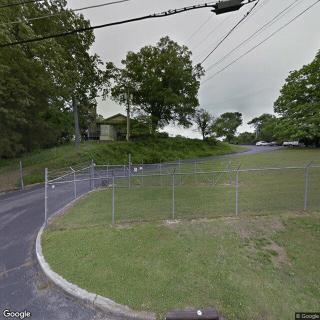
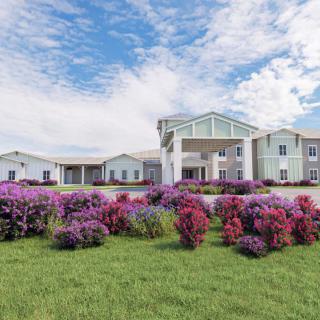
Pruitthealth - Fort Oglethorpe on seniors.fyi includes 3 photos including images showing dining, railing, trees, windows, garden, interior, outdoor, and more.
Nearby Communities
SHADY REST GROUP CARE HOME
Fort Oglethorpe, GA
$1,000 to $1,600 / month
Affordable pricing relative to local averages; intimate, homelike setting with comprehensive care.
Nhc Healthcare Ft Oglethorpe
Fort Oglethorpe, GA
3.7 from 43 reviews
Clean facility with attentive staff and a pleasant dining experience.
Parkside Nursing and Rehabilitation Center
Rossville, GA
4.6 from 29 reviews
Caring, attentive staff in a clean, welcoming setting with strong family communication.
Center For Advanced Rehab At Parkside
Rossville, GA
$2,295 to $2,995 / month
Comprehensive care with 24/7 assistance, restaurant-style dining, and extensive amenities.
The Rosewood at Fort Oglethorpe
Fort Oglethorpe, GA
4.8 from 160 reviews
$3,675 to $4,410 / month
Warm, attentive staff with a home-like atmosphere and engaging activities.
Southern Heritage Assisted
East Ridge, TN
4.2 from 39 reviews
$975 / month
Affordable pricing in a small, friendly community with personalized care and on-site amenities.
Caldsted Foundation Inc.
Chattanooga, TN
Excellent access to parks, cafes, pharmacies, physicians, hospitals, transportation, and places of worship.
The Canopy at Boynton Ridge
Ringgold, GA
4.6 from 52 reviews
$3,400 to $4,100 / month
Beautiful, well-maintained facility with caring staff and engaging activities.
Rockbridge Oaks
Chattanooga, TN
4.1 from 57 reviews
$4,150 to $5,950 / month
Friendly staff and clean, apartment-like environment with flexible dining and engaging activities.
Palliative care focuses on alleviating distress at any stage of a serious illness and can accompany curative treatments, while hospice care is for those nearing the end of life with a prognosis of six months or less, emphasizing comfort over curative measures. Both prioritize holistic care for patients and families but differ in timing, goals, and scope.
Fecal incontinence, prevalent among older adults, arises from factors like weakened pelvic muscles and nerve damage, significantly affecting well-being and social interactions. Diagnosis involves clinical evaluation and tests to inform tailored treatments, while caregivers and preventive measures can aid in managing the condition effectively.
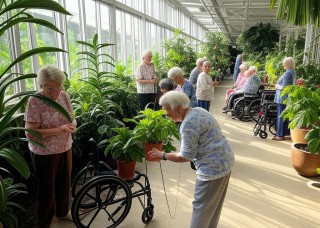
Gardening provides seniors with physical exercise, mental and emotional support, and social interaction opportunities, while accommodating their needs through raised beds and ergonomic tools. It promotes health benefits like improved dexterity and cardiovascular health, encourages sustainable practices, and allows for manageable upkeep with low-maintenance plants.
Get PricingAsk A QuestionSchedule A TourContact Senior Advisor
By clicking submit, you agree to our Partner's Terms of Use. You
also consent to receive calls and texts, which may be autodialed, from our Partner. Your consent is not a condition to
using our Partner's service. Please visit our Partner's Privacy Policy for information about their privacy practices.



 120 resident community capacity
 Skilled Nursing Facility
 Air-conditioning
 Beauty salon
 Cable or satellite TV
 Computer center
 Dining room
 Fitness room
 Fully furnished
 Gaming room
 Garden
 Housekeeping services
 Kitchenette
 Move-in coordination
 Outdoor space
 Private bathrooms
 Restaurant-style dining
 Small library
 Telephone
 Wellness center
 Wi-Fi/high-speed internet available
 Lovell (6 miles away)
 Community operated transportation
 12-16 hour nursing
 24-hour call system
 Activities of daily living assistance
 Assistance with bathing
 Assistance with dressing
 Assistance with transfers
 Diabetes diet
 Medication management
 Mental wellness program
 Special dietary restrictions
 Concierge services
 Planned day trips
 Affordable pricing relative to local averages; intimate, homelike setting with comprehensive care.




 Understanding the Nuances of Palliative Care and Hospice: A Comprehensive Exploration
 Fecal Incontinence in Older Adults: A Comprehensive Guide
 Nurturing Well-Being Through Gardening: A Detailed Guide for Senior Enthusiasts