
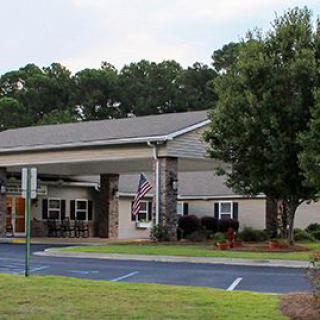
176 Lincoln Avenue, Fitzgerald, GA 31750
For more information about senior living options: (866) 208-4318
Overall Review of Life Care Center
Pros
 The facility is under new management with ongoing improvements.
- The therapy gym has big improvements and is huge.
- Patients look well taken care of and happy.
- The nurses are very nice and compassionate.
- The building is kept clean.
Cons
 The facility is described as the absolute worst nursing home—filthy, unclean, and severely understaffed.
 - A resident is alleged to be abused and kept under inconsistent supervision.
- A reviewer claims animals are treated better than the residents.
- Staff are described as disrespectful, unprofessional, and lacking compassion for residents and their families.
- Care is criticized for delays and neglect, including long delays in basic tasks and untreated bedsores.
- Management is accused of misusing funds and not investing in the building.
- The building is described as in need of significant work and upkeep.
- There are reports of serious harm, including a resident who was beaten and overdosed.
- Visitors report rude staff who fail to direct them to their relatives.
Review
Life Care Center in Fitzgerald, GA is best suited for families that are open to a potential turnaround under new management and that prioritize rehabilitation-oriented care, with the therapy gym as a standout feature. The best-case scenario here is a resident who can benefit from an active emphasis on physical therapy and who can tolerate a period of adjustment as leadership implements ongoing improvements. The reports of a large, improved therapy space and a perception that some residents look well cared for suggest a foundation capable of stabilizing, provided staff and administration stay engaged, the building is maintained, and care plans are consistently followed. This is not a hands-off option; it requires active oversight, regular follow-up, and a willingness to advocate for high-quality daily caregiving as improvements continue to unfold.
Those who may want to consider alternatives include families seeking a consistently predictable, fully staffed environment with minimal drama or variability from shift to shift. Multiple reviews point to chronic understaffing, uneven attentiveness, and friction among staff, which can translate into delayed assistance with basic needs, delayed baths, and unaddressed medical or hygienic concerns. Cleanliness and maintenance emerge as recurring concerns, as does communication with doctors and transparency around billing and administration. For residents with high-acuity needs, or for families unable to commit to close monitoring and proactive problem-solving, other communities with stronger staffing ratios and more stable leadership are likely to provide greater peace of mind.
On balance, the strongest positives emphasize potential and progress. The new management is delivering visible changes, and the therapy gym is described as expansive and modern, with tangible benefits for residents undergoing rehab. Some staff members are cited as compassionate and dedicated, and there are anecdotes of employees going beyond the call of duty to support residents, even at personal expense. These factors matter because they indicate what is possible when leadership prioritizes resident welfare, training, and morale. However, these advantages do not automatically cancel out the persistent downsides, understaffing, inconsistent caregiving, and questions about daily routines and basic comforts, that frequently surface in reviews and can undermine overall safety and well-being.
The main cons center on staffing, care consistency, and environment. Reports consistently describe aides and nurses stretched thin, with signs of fatigue and atypical behavior such as using personal phones during shifts, which correlates with slower response times and missed care. Residents recount missed changes, delayed assistance with toileting, and the development of bedsores that were not adequately addressed for extended periods. The atmosphere is sometimes portrayed as tense or unfriendly, with visitors noting difficulty locating staff or obtaining requested documentation. Sanitation and maintenance concerns recur, leading to questions about overall safety. When the numbering of complaints includes allegations of abuse or severe neglect, the risk profile becomes substantial, and the case for caution becomes compelling.
Practically, families considering this community should undertake structured, proactive due diligence. Schedule multiple visits, request candid conversations with the administrator and the head nurse, and review current staffing rosters, care plans, and incident logs. Inspect the therapy gym during a formal tour and ask for a concrete timetable on how ongoing improvements will translate into day-to-day care quality. Probe billing transparency, medication management, and escalation procedures for urgent medical needs. Compare with nearby facilities that emphasize stronger staffing ratios, cleaner environments, and more consistent customer service. Consider a trial period or short-term placement to observe daily routines before committing to long-term residency, and ensure a clear plan for regular reviews of care quality.
Ultimately, the decision hinges on risk tolerance, care needs, and the capacity for families to engage actively in oversight. Life Care Center can offer a hopeful pathway for residents whose rehabilitation potential aligns with the facility’s improving therapy resources and leadership-driven improvements. For families prioritizing predictability, safety, and consistently respectful treatment across shifts, exploring stronger options is prudent. The facility’s trajectory matters: if continued, well-structured governance, sustained staffing investments, and transparent accountability become the norm, it can become a viable home. If not, alternatives with steadier operations and clearer daily care assurances will likely outperform in delivering reliable comfort, safety, and dignity for residents.
 167 resident community capacity
 Skilled Nursing Facility
 Air-conditioning
 Beauty salon
 Cable or satellite TV
 Computer center
 Dining room
 Fitness room
 Fully furnished
 Gaming room
 Garden
 Housekeeping services
 Kitchenette
 Move-in coordination
 Outdoor space
 Private bathrooms
 Restaurant-style dining
 Small library
 Telephone
 Wellness center
 Wi-Fi/high-speed internet available
 Community operated transportation
 12-16 hour nursing
 24-hour call system
 Activities of daily living assistance
 Assistance with bathing
 Assistance with dressing
 Assistance with transfers
 Diabetes diet
 Medication management
 Mental wellness program
 Special dietary restrictions
 Concierge services
 Planned day trips



 Comprehensive Insights and Practical Strategies to Help Older Adults Avoid Falls
 6 Crucial Ways an Elder Law Attorney Assists Families
 Navigating the Tax Landscape of Caregiving: Credits, Deductions, and Beyond