

1634 Telfair St, Dublin, GA 31021
To contact a resident: (478) 272-1133
For more information about senior living options: (866) 208-4318
Overall Review of Shamrock Nursing & Rehab Ctr
Pros
 Southland Healthcare and Rehab Center is described as the nicest community the reviewer toured, with pleasant staff and residents who seemed very happy.
- The staff are very helpful and have great attitudes.
- The facility is a great place to be, with friendly staff, no odors, and clean surroundings.
- The reviewer was very pleased with their overall experience there.
Cons
 It is a horrible place to send any loved one.
- The staff did not perform their duties professionally.
- Things were missing or misplaced, and the family was not notified when needed.
- It is an unfit place.
- It is by far the worst facility; if another option exists, one should avoid it.
- The staff did not assist the patient when needed and showed little attention.
- The facility repeatedly failed to communicate or respond to calls, contributing to unsafe conditions.
- They refused to provide bedrails when requested.
Review
Shamrock Nursing & Rehab Center in Dublin, GA is best suited for families that can stay closely involved in a loved one’s daily care, prioritize a clean, odor-free environment, and are willing to tolerate significant variability in staffing and responsiveness in exchange for a lower-cost option. The community can deliver a pleasant atmosphere and seemingly friendly staff, but the overarching pattern in the feedback shows care delivery that fluctuates widely from shift to shift. Families who can commit to frequent visits, clear care plans, and rigorous follow-up will be able to leverage what’s positive while mitigating the obvious risks.
Those weighing this facility should explicitly consider alternatives if safety, consistent communication, and proactive medical oversight are non-negotiable. Several families report systemic gaps that undermine trust: front-desk responsiveness, timely updates to families, and reliable monitoring of residents who need assistance. If a loved one requires steady supervision, predictable escalation of care, or a transparent, accountable care team, it is prudent to look at other options with stronger reputations for reliability and fewer recurring claims of neglect or mismanagement.
On the bright side, multiple comments highlight a hardworking, approachable staff culture and a generally clean environment. When care staff are present and engaged, residents appear to respond positively, and some reviewers describe a pleasant, supportive tone in the facility. In short bursts, the atmosphere can feel calm and respectful, and residents may seem comfortable in the shared spaces. These positive elements matter, but they are not a substitute for consistently safe and accountable practice across all shifts.
The darker thread running through the reviews is hard to overlook: neglectful behavior, missed calls, and failures in basic safety protocols. Families describe situations where patients were not rolled, bedrails were not provided when requested, and remote controls or equipment were mismanaged or removed. Hearing aids and other assistive devices have reportedly gone missing or remained unaddressed for long stretches. Front-desk lines allegedly go unanswered, with critical updates and doctor assessments not communicated promptly. The combination of these gaps points to a care environment where serious incidents could be left unaddressed for too long.
Pros can only go so far when major safety and communication gaps persist. The positive attributes, cleanliness, friendly staff, and a generally agreeable atmosphere, do not meaningfully offset recurring reports of falls, delayed responses, and inconsistent care. For families, the calculation comes down to risk versus affordable access. If oversight and proactive problem-solving are unlikely to be present without constant, direct involvement, the cons overwhelmingly outweigh the pros. The facility may function adequately on paper, but real-world reliability appears to be the critical weakness.
In practical terms, families considering Shamrock should demand concrete safeguards before admission. Require a formal, written care plan with explicit fall-prevention measures, daily care check-ins, and guaranteed bed-rail usage when needed. Insist on direct, timely communication protocols, daily updates after physician rounds, guaranteed call-backs, and a clear point of contact for concerns. Obtain a signed commitment on rehabilitative services, so PT is not abruptly discontinued without a documented rationale. If these assurances cannot be secured, or if recent patterns of neglect persist, exploring nearby facilities with stronger safety records becomes the responsible course. In the end, Shamrock may serve as a last resort for families willing to live with enhanced oversight, but for those prioritizing dependable safety, alternatives are the prudent path.
 Skilled Nursing Facility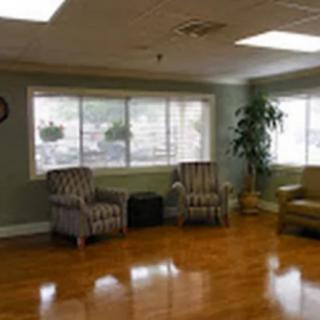






 Navigating the Financial Road to Nursing Home Care: In-Depth Guidance and Resources
 Supportive Employee Benefits That Help Caregivers Attain Better Work-Life Harmony
 Top Cars for Senior Drivers and Essential Safety Innovations