
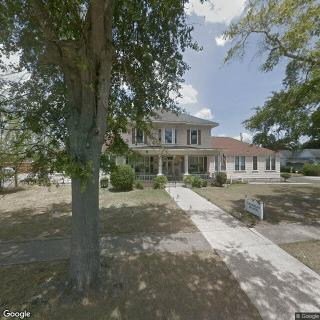
903 Bellevue Avenue, Dublin, GA 31021
For more information about senior living options: (866) 208-4318
Overall Review of Villas 3
Pros
 The staff here are so considerate.
- They keep her room and clothes clean.
- They make sure she takes her meds.
- They call if there's an issue and give the family time to take care.
Cons
 My aunt is often difficult.
- Deaf, dementia, and isolation have worn her out.
- They did not get him medical attention at all.
- They did not tell the family until the next day.
- They never informed the family that he was sent to the hospital.
Review
Villas 3 in Dublin, GA is best suited for families seeking steady, hands-on daily care for a loved one who benefits from structured routines, reliable medication management, and regular family updates. This community's strength lies in practical, attentive day-to-day support: staff who keep rooms and belongings clean, ensure medications are taken on time, and proactively reach out when issues arise. For residents with dementia or deafness, the ability to maintain dignity through consistent staff interactions and clear, routine care offers a meaningful framework that can reduce agitation and isolation. In short, this setting rewards families that prioritize dependable, lived-in support over flashy programming, placing a premium on reliable caregiving that shows up day after day.
Those considering alternatives should note that, if medical crisis responsiveness and transparent, timely family communication during emergencies are non-negotiable, Villas 3 may raise alarms. One review highlights a troubling gap: during a fall, no immediate medical attention was secured, and family members were not informed until the following day. In another instance, severe stomach pain prompted an ambulance, but the family only learned after the hospital had already taken action. When emergencies arise, these gaps create real risk and erode trust. For families where the speed and clarity of medical coordination are central to peace of mind, exploring other communities with explicit emergency protocols is prudent.
The strongest argument in Villas 3’s favor rests on consistency of daily care. The staff’s attentiveness translates into reliable routines, help with medications, verifications of routine needs, and a steady hand in maintaining personal spaces. This translates into fewer missed dosages and more predictable days, which in turn reduces anxiety for both residents and their families. The ability to “call if there’s an issue” is not just a courtesy; it is a practical lifeline for families who tire of being left in the dark. In cases where isolation or confusion could otherwise magnify, such dependable daily oversight becomes the backbone of the resident’s well-being.
Yet the deterrent in the overall picture is clear: emergency communication failures can nullify otherwise solid daily care. The absence of timely medical attention for a fall, and the lack of prompt notification about hospital involvement, strike at the heart of safety. These failures are not minor administrative hiccups; they influence outcomes and perception of care quality. They also place families in the position of piecing together information after the fact, which damages confidence and can complicate decisions about ongoing placement. In other words, the daily pros do not fully compensate for the significant, high-stakes gaps in crisis management.
Practically, families weighing Villas 3 should demand concrete safeguards before committing. Insist on a documented emergency protocol that requires immediate family notification, explicit thresholds for hospital evaluation, and timely incident reporting with supervisor sign-off. Seek a clear escalation ladder so a family can receive real-time updates during emergencies, not just after-the-fact summaries. If these safeguards are nonnegotiable, Villas 3 can still be a strong fit for residents who need dependable day-to-day care and who value steady staffing relationships. If not, alternatives with stronger, transparent emergency responsiveness warrant serious consideration.
In the end, Villas 3 offers reliable, compassionate routine care that can anchor a dignified life for residents with dementia, deafness, or isolation challenges. It is best for families prioritizing consistent daily support and clear, regular family communication about non-emergency matters. It is less ideal for those whose primary criterion is guaranteed, rapid medical response and immediate, transparent crisis communication. With explicit emergency protocols and strict adherence to timely family updates, this community can be a sound, budget-conscious choice; without them, the safety calculus shifts toward looking at other options that foreground crisis management as a core competency.
 15 resident community capacity
 Assisted Living
 Board and Care Home
 Cable or satellite TV
 Dining room
 Fully furnished
 Garden
 Housekeeping services
 Move-in coordination
 Outdoor space
 Telephone
 Wi-Fi/high-speed internet available
 24-hour supervision
 Activities of daily living assistance
 Assistance with bathing
 Assistance with dressing
 Assistance with transfers
 Diabetes diet
 Meal preparation and service
 Medication management
 Special dietary restrictions
 Transportation arrangement (medical)
 Transportation to doctors appointments






 Funding and Affording Assisted Living: A Thorough Overview
 Assisted Living Expenses and Long-Term Care Insurance: A Comprehensive Exploration
 Securing Financial Support for Assisted Living: A Comprehensive Overview