For more information about senior living options: (866) 208-4318
2.6 from 28 reviews
5 stars
8
4 stars
4
3 stars
0
2 stars
2
1 stars
14
Overall Review of Chatsworth Health Care Center
common16 reviews mention this
Staff care is a mixed picture
Residents and families describe both very caring staff and serious concerns about care and oversight.
Many reviews describe staff as caring, loving, and attentive, including comments about supervision, help with hygiene, and families feeling reassured. Others report problems getting help, concerns about supervision and check-ins, and staff responses they felt were unacceptable. Taken together, the reviews point to strong moments of compassion alongside recurring complaints about reliability and patient care on certain shifts.
caveat4 reviews mention this
Phone access and communication issues
Families report difficulty reaching the facility and limited updates for residents and loved ones.
Several reviews say it was hard or impossible to reach someone by phone, with one noting the phone mailbox was full. Others mention delays in care check-ins until after a family member called. There are also complaints about not sharing activity or program information, even after requesting better ways for updates.
caveat6 reviews mention this
Cleanliness concerns and improvements
Reviews mention strong cleanliness concerns, alongside a smaller set of reports of a clean, pleasant environment.
Some families describe severe cleanliness and odor issues, including reports about urine and feces, dirty beds, and conditions they felt were unfit. A few reviews also raise concerns about the building feeling old, dark, and damp. In contrast, at least one review describes a cleaner, more comfortable environment and residents kept clean and freshly bathed. Overall, cleanliness is a recurring point of disagreement in the feedback.
caveat2 reviews mention this
Dining quality is inconsistent
Dining reviews describe food that is inconsistent or not well received.
One review calls the food inconsistent, while another says the food was terrible. The community does offer restaurant-style dining and meal service as part of its setup, but the reviews show that residentsā€™ experiences with food quality can vary.
caveat2 reviews mention this
Outings and activities feel uneven
Families describe different activity experiences, including communication gaps and limits on being outdoors.
A review describes residents entertaining during visits and mentions arranging a virtual visit during a lockdown. Another review reports missing outings like fishing and live music, plus concerns that outdoor time was restricted to smokers unless family requested otherwise. While activities are a regular part of the community, feedback suggests access and updates can differ across situations.
How we summarize
Counts show how many written reviews mention each theme; a review can touch several themes, and only frequently mentioned themes are displayed.
Features
Housing
120 resident community capacity
Types of Care
Skilled Nursing Facility
Amenities
Air-conditioning
Beauty salon
Cable or satellite TV
Computer center
Dining room
Fitness room
Fully furnished
Gaming room
Garden
Housekeeping services
Kitchenette
Move-in coordination
Outdoor space
Private bathrooms
Restaurant-style dining
Small library
Telephone
Wellness center
Wi-Fi/high-speed internet available
Transportation
Community operated transportation
Transportation arrangement
Transportation arrangement (non-medical)
Transportation to doctors appointments
Care Services
12-16 hour nursing
24-hour call system
24-hour supervision
Activities of daily living assistance
Assistance with bathing
Assistance with dressing
Assistance with transfers
Diabetes diet
Meal preparation and service
Medication management
Mental wellness program
Special dietary restrictions
Dining
Diabetes diet
Special dietary restrictions
Activities
Community-sponsored activities
Concierge services
Fitness programs
Planned day trips
Resident-run activities
Scheduled daily activities
Nearby Places of Interest
Physicians
Murray Internal Medicine (0.1 miles)
Hamilton Physician Group - Murray Campus (0.2 miles)
Gordon Health Depot (0.2 miles)
Magnolia Family Medicine (0.5 miles)
White's Pediatrics (0.9 miles)
Advance Eye Care (0.9 miles)
Franklin Dental (8.6 miles)
Hospitals
Murray County Hospital (0.1 miles)
Murray Medical Center (0.1 miles)
Hamilton Medical Center (11.2 miles)
Pharmacies
Living Well Medical Supply (0.2 miles)
Living Well Express Pharmacy (0.2 miles)
Express Pharmacy (0.2 miles)
Ingles Market (0.3 miles)
Food City Pharmacy (0.8 miles)
Walgreens (0.9 miles)
Living Well Pharmacy Center (2.3 miles)
Places of Worship
Smyrna Baptist Church (0.7 miles)
Eton Chapel Church Of God (3.5 miles)
Center Valley United Methodist Parsonage (3.9 miles)
Total Praise Baptist Church (4.4 miles)
Southern Baptist Convention (5.9 miles)
Mineral Springs United Methodist Church (6.7 miles)
Adult day care programs offer essential support and activities for older adults, yet many hesitate to participate due to concerns about independence and stigma. To alleviate these apprehensions, families should facilitate open discussions, explore financial resources, suggest trial visits, and collaborate with healthcare providers to highlight the benefits of such services for both the participants and their caregivers.
Living wills and advance directives are crucial legal documents that outline an individual's healthcare preferences when they cannot make decisions themselves, enhancing patient autonomy and alleviating family stress during medical crises. The article emphasizes the need for these documents to be personalized, legally valid, and regularly updated, while also encouraging communication about end-of-life wishes among family members and healthcare providers.
The article examines living wills and advance directives, highlighting their significance in expressing healthcare preferences for those unable to communicate due to illness or incapacity. It discusses their historical development, legal components, limitations, practical drafting advice, and the importance of clear communication among families and healthcare professionals regarding end-of-life decisions.
Get PricingAsk A QuestionSchedule A TourContact Senior Advisor
By clicking submit, you agree to our Partner's Terms of Use. You
also consent to receive calls and texts, which may be autodialed, from our Partner. Your consent is not a condition to
using our Partner's service. Please visit our Partner's Privacy Policy for information about their privacy practices.


 120 resident community capacity
 Skilled Nursing Facility
 Air-conditioning
 Beauty salon
 Cable or satellite TV
 Computer center
 Dining room
 Fitness room
 Fully furnished
 Gaming room
 Garden
 Housekeeping services
 Kitchenette
 Move-in coordination
 Outdoor space
 Private bathrooms
 Restaurant-style dining
 Small library
 Telephone
 Wellness center
 Wi-Fi/high-speed internet available
 Community operated transportation
 12-16 hour nursing
 24-hour call system
 Activities of daily living assistance
 Assistance with bathing
 Assistance with dressing
 Assistance with transfers
 Diabetes diet
 Medication management
 Mental wellness program
 Special dietary restrictions
 Concierge services
 Planned day trips
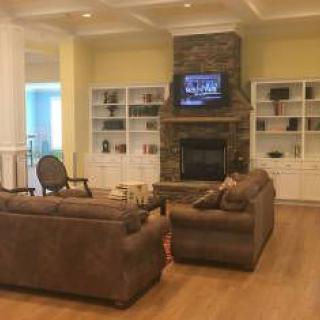
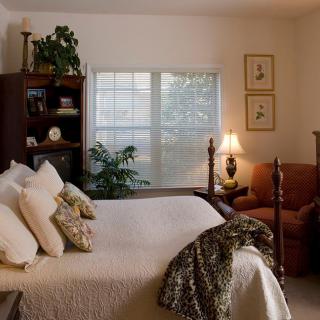
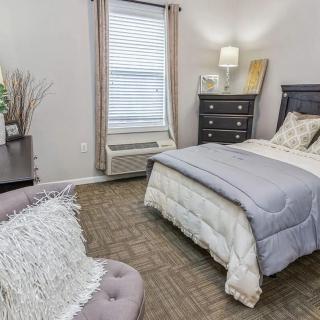
 Small, personalized setting with comprehensive care and active resident programs.
 Encouraging Participation in Adult Day Care: A Guide to Supporting a Hesitant Parent
 Comprehensive Exploration of Living Wills and Other Advance Directives
 A Detailed Exploration of Living Wills and Advance Directives