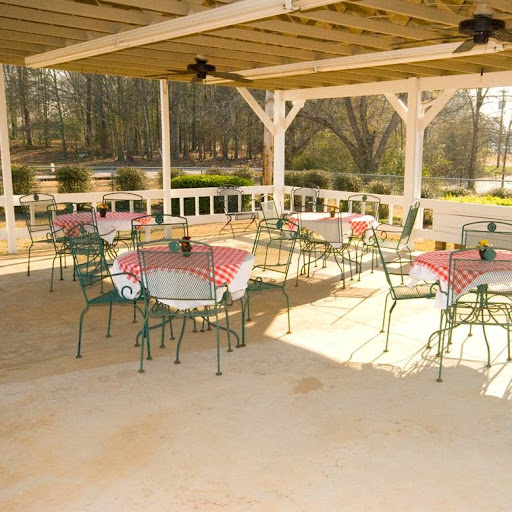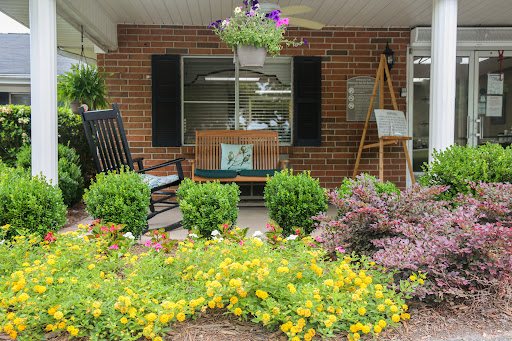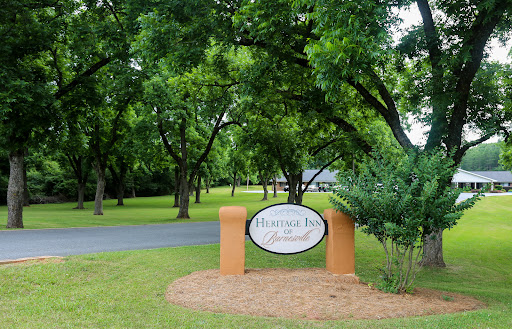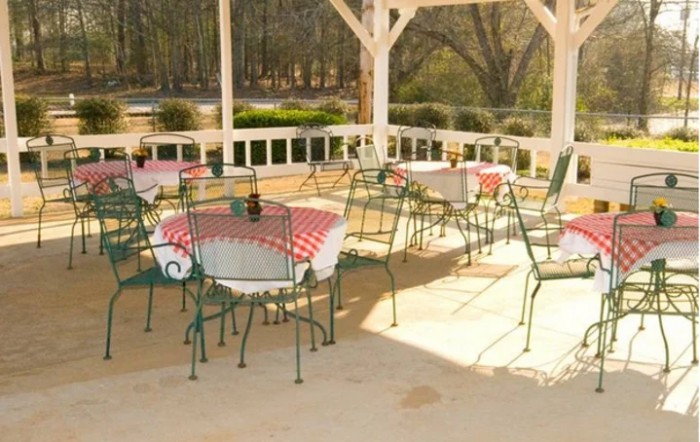
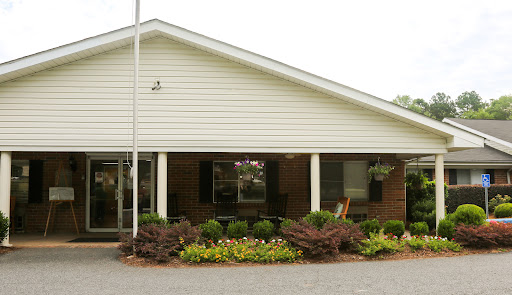

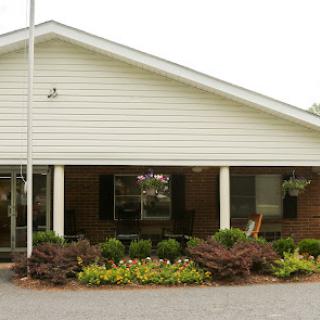

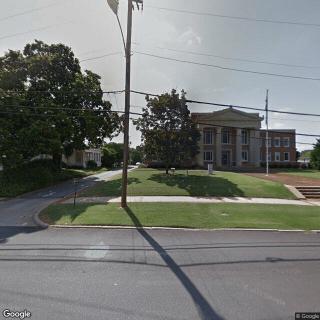
946 Veterans Parkway, Barnesville, GA 30204
For more information about senior living options: (866) 208-4318
Overall Review of Heritage Inn Of Barnesville Health And Rehab
Pros
 The staff took very good care of Veronica Adams and promptly hung her calendar on the wall.
 - Heritage Inn Nursing Home offers a variety of activities for residents and takes good care of them.
- The administrator is described as compassionate, supportive, and calm, with a sincere commitment to resolving concerns.
- Nurses, CNAs, and the Head of Nursing are praised for delivering the best possible care with care, patience, and professionalism.
- A memory care resident has received excellent care from attentive and respectful staff.
- Administrative staff are wonderful and supportive.
- The facility hosts meaningful family events and activities that foster family connection.
Cons
 They would not recommend this facility to anyone who needs medical attention because the care is not provided.
 - There had been no improvement in the care for their loved one, with the staff contacted almost daily about a lack of care.
- Residents are left in wet clothes and in wet beds for hours, despite promises that help would be sent.
- The administration is described as horrible.
- There is not enough staff to care for residents, with underpaid workers coming to work sick.
- Residents experience long delays in receiving help and can become isolated or unable to reach loved ones.
- The Alzheimer’s unit is chaotic and loud, leaving residents agitated and distressed.
Review
Heritage Inn Of Barnesville Health And Rehab is best suited for families seeking a mid-range option with a clear emphasis on social engagement and memory-care structure, plus readily available rehab services. The community earns credibility from staff who are frequently described as caring and attentive, and from programs that keep residents actively involved in daily life. Families report approachable nursing leadership and occasions where care planning discussions led to tangible improvements. For memory care residents, the layout and routines tend to be stabilizing, and the campus atmosphere often feels orderly and well run. This makes it a practical choice for seniors who prioritize people-focused care and a visible activity schedule over flawless medical watchfulness.
That said, this facility may not be the right fit for everyone, and alternatives deserve consideration for certain needs. Individuals or families facing serious, ongoing medical or wound-care demands may find the care inconsistent, with repeated concerns about response times and timely medical attention. Several reviews describe situations where care was slow or lacking, and multiple messages from families express doubt about the ability to deliver urgent or specialized medical services promptly. When medical acuity is high, parents and guardians should weigh whether the level of oversight and immediacy can meet expectations elsewhere.
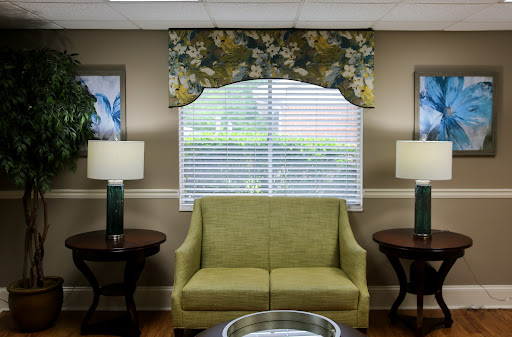
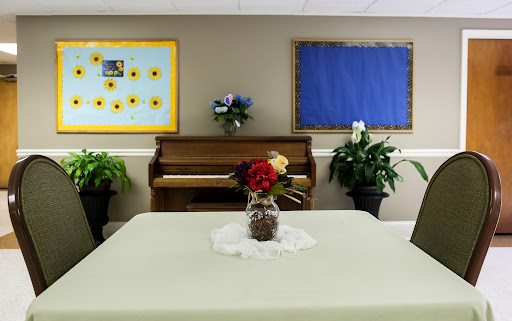
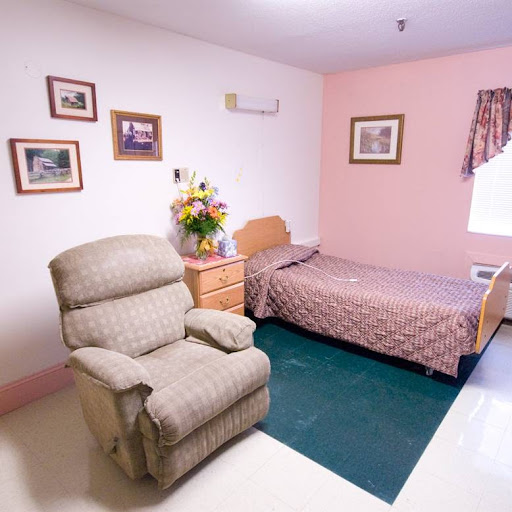
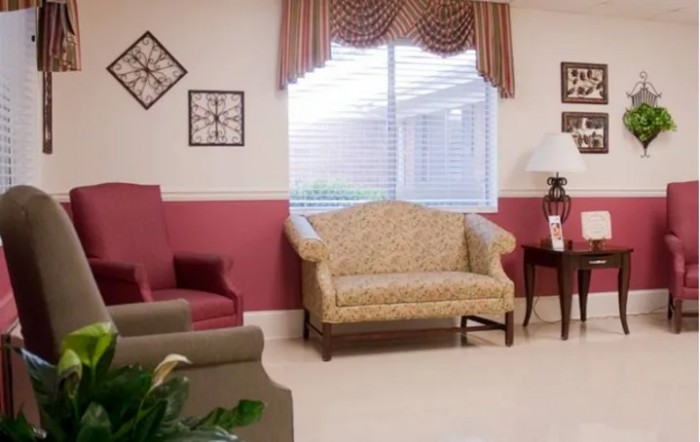
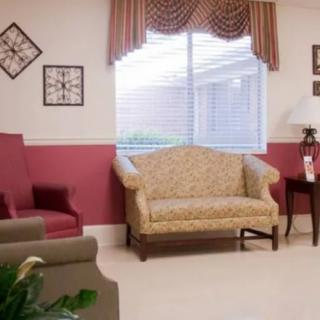
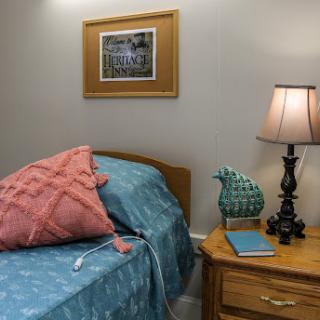
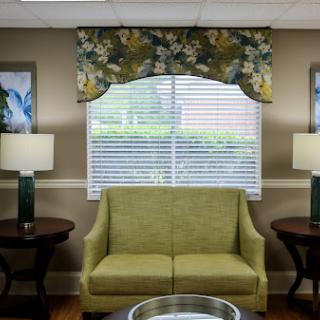
The strongest positives here revolve around staff engagement, meaningful activities, and the overall environment. Families praise the bedside care from nurses and CNAs, and widely acknowledge the dedication of the head of nursing and other clinical leaders. The memory-care unit is highlighted for its focused approach, and the center’s emphasis on family events and open communication with administrators helps create a sense of partnership in the resident’s care. Rehab and post-acute services are accessible on site, which streamlines transitions and can support steady progress when medical needs are not pressing. When the atmosphere aligns with expectations, residents show up for programming, and relatives feel heard during adjustments to care plans.
Yet the cons are not incidental; they bear directly on day-to-day safety and satisfaction. The most troubling themes involve perceived gaps in urgent medical response, with reports of delays that left family members worried about critical needs. Administrative relations are described in polarized terms: supportive leadership in some updates, and criticism of the administration in others. The memory-care wing, while generally praised for care quality, is also noted as potentially chaotic and loud at times, underscoring the need for strong staff management and sufficient housekeeping resources. Staff shortages and concerns about wage pressures emerge repeatedly, signaling that consistency can vary by shift and day.
For families navigating a decision, practical steps can tilt the odds toward a better match. Request a current, detailed care plan and insist on clear expectations for wound care and medical response times. Schedule regular, structured care-conference check-ins and insist on direct contact with the DON or wound-care specialist when issues arise. Visit during different shifts to gauge responsiveness and observe how staff interact with residents, especially in the memory-care unit. Engage with family liaisons about the facility’s staffing model and turnover, and confirm there is a reliable escalation path for urgent concerns.
In the end, Heritage Inn offers a mixed but workable proposition: strong social programming, a capable memory-care environment, and visible, compassionate leadership in many circumstances. It is well worth considering for families who can participate actively in care planning and who value a warm community feel with robust activity options. However, for residents whose needs hinge on consistently rapid medical attention and uniformly steady clinical oversight, alternatives may deliver greater peace of mind. A candid preliminary assessment, paired with careful, ongoing oversight after move-in, will determine whether this community can reliably meet the specific medical and social goals of the resident.
 117 resident community capacity
 Skilled Nursing Facility
 Air-conditioning
 Beauty salon
 Cable or satellite TV
 Computer center
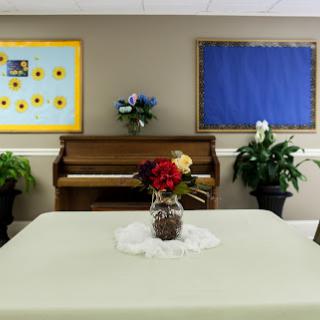
 Dining room
 Fitness room
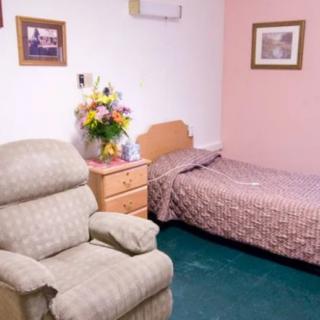
 Fully furnished
 Gaming room
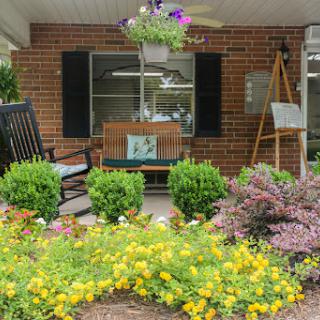
 Garden
 Housekeeping services
 Kitchenette
 Move-in coordination
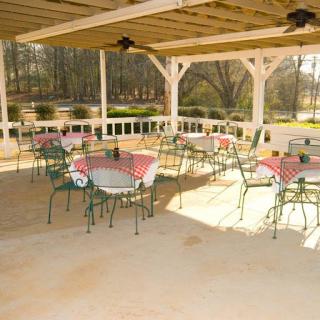
 Outdoor space
 Private bathrooms
 Restaurant-style dining
 Small library
 Telephone
 Wellness center
 Wi-Fi/high-speed internet available
 Community operated transportation
 12-16 hour nursing
 24-hour call system
 Activities of daily living assistance
 Assistance with bathing
 Assistance with dressing
 Assistance with transfers
 Diabetes diet
 Medication management
 Mental wellness program
 Special dietary restrictions
 Concierge services
 Planned day trips



 In-Home Care Costs in 2025: A Detailed State-by-State Exploration
 Understanding Home Health Care: A Comprehensive Guide
 Home Health Care Demystified: A Comprehensive Guide for Families and Caregivers