
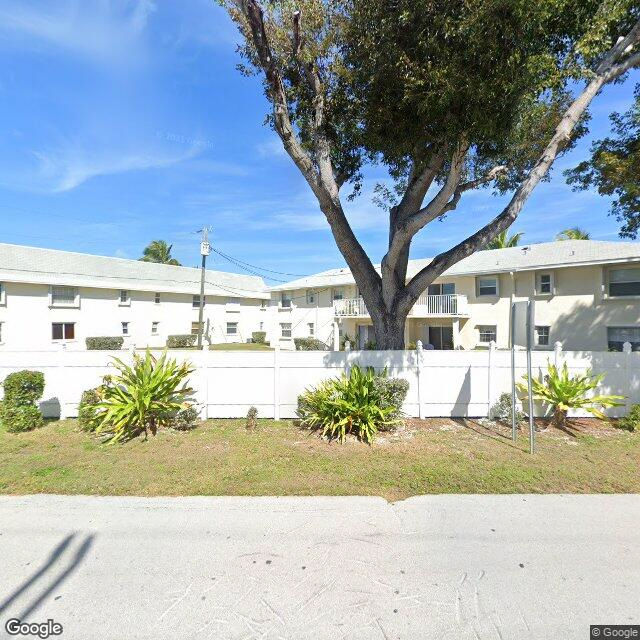
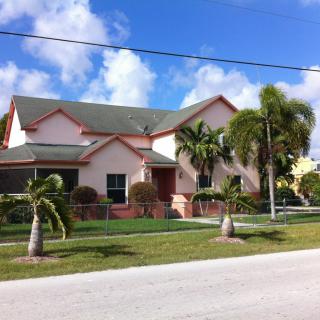
48 High Point Rd, Tavernier, FL 33070
To contact a resident: (305) 852-3021
For more information about senior living options: (866) 208-4318
Overall Review of Plantation Key Ctr
Pros
 The staff at Plantation Key Nursing Center are described as friendly, professional, and very caring, making residents feel safe and valued.
- There is a strong sense of love and a big-family atmosphere between the staff and residents.
- The therapy department is praised for keeping residents' legs limber and supporting mobility with fabulous therapists.
- The meals are nicely presented with varied menus, and homemade soups are a particular favorite.
- The facility is clean, modern, bright, and safe, with a good staff-to-resident ratio and responsive care.
- Families feel at ease knowing their loved ones are well cared for nearby in the Keys.
- The center is described as a second home by residents and families due to the welcoming staff and supportive environment.
Cons
 The facility is described as a bad place to stay due to poor management, making the experience terrible and discouraging others from visiting.
- The husband’s Lewy Body Dementia is noted to cause major mood swings, with some days when he is loud and mean.
- Several reviews express dissatisfaction with management, suggesting the overall experience at the facility is negative.
Review
Plantation Key Nursing Center in Tavernier is best suited for families seeking a warm, community-driven environment in the Florida Keys, where residents benefit from attentive caregiving, strong rehabilitation services, and a lived-in sense of family. The facility earns praise for its therapy department, responsive nursing care for dementia and mobility issues, and daily activities that create something to look forward to each day. It fits well for seniors who want to remain in the Keys with easy visitor access and a setting that encourages social engagement on the large outdoor deck and through in-house programs. In essence, PKNC works best when the priority is personalized attention, a friendly staff, and ongoing rehabilitation that supports independence.
Alternatives to consider become relevant for families prioritizing steady management and a more clinical, procedure-driven environment. A handful of reviews fault the operation as “poor management,” suggesting leadership quality can color the overall experience. For loved ones whose care hinges on strict administrative oversight, tightly controlled routines, or a more formal atmosphere, it is prudent to compare other Keys facilities or mainland options to ensure the care plan aligns with expectations.
On the positive side, the core strengths are anchored in the people and hands-on care. Residents with Lewy body dementia or mobility challenges receive attentive, compassionate treatment from nurses and CNAs who are described as capable in all moods. The dining and dietary staff accommodate allergies and preferences, while the therapy team keeps legs limber and addresses swallowing issues with a dedicated speech therapist. Regular activity programming, a full-service beautician, reliable maintenance, and cheerful laundry staff add practical warmth. Holidays, daily events, and a sense of belonging cultivate a family atmosphere that makes PKNC feel less like an institution and more like home.
The facility’s renovations and ongoing improvements contribute to a clean, bright, modern environment with large window views and an inviting outdoor deck. Food is well-regarded for thoughtful preparation and varied menus. Visitors and residents are greeted warmly, and there is a clear emphasis on respecting residents’ care wishes and maintaining appropriate roommate dynamics. A favorable staff-to-resident ratio supports responsive service, and when questions arise, staff typically respond quickly and with attentiveness. Taken together, these practical perks translate into meaningful daily life for residents and peace of mind for families.
Yet the experience is not uniformly positive. The repeated negative notes about management signal that leadership quality can, at times, overshadow otherwise solid care and community warmth. This caveat matters because administrative behavior shapes staff morale, consistency in routines, and overall patient outcomes. Prospective families should probe beyond surface impressions: request a meeting with the administrator, review recent survey outcomes, and ask for a concrete outline of care coordination, especially for memory or behavior-related needs. The risk is not that PKNC is failing across the board, but that specific management gaps can undermine the strong caregiving foundation.
Bottom line: Plantation Key Nursing Center remains a strong choice for families prioritizing a warm, resident-centered culture, robust rehabilitative services, and the ability to keep loved ones in the Keys. The combination of dedicated therapy, responsive nursing care, and a family-like environment largely offsets occasional management concerns. For those where administrative consistency is non-negotiable, or where memory-care demands require a highly structured operational approach, it pays to compare alternatives and visit multiple times to verify fit. Practical next steps include a comprehensive tour, conversations about care plans and staff stability, and observing the daily rhythm during a typical week to ensure the setting aligns with the loved one’s needs.
 Skilled Nursing Facility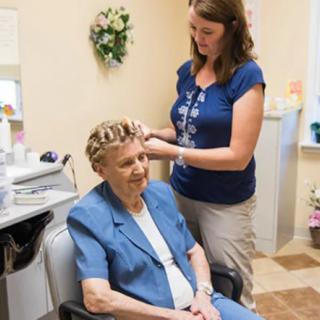


 Caring for Those Who Care: Recognizing, Understanding, and Overcoming Caregiver Burnout
 Caregiver Exhaustion: Recognizing the Signs and Restoring Your Well-Being
 Understanding Hospice Care at Home: Comprehensive Services, Key Benefits, and Eligibility