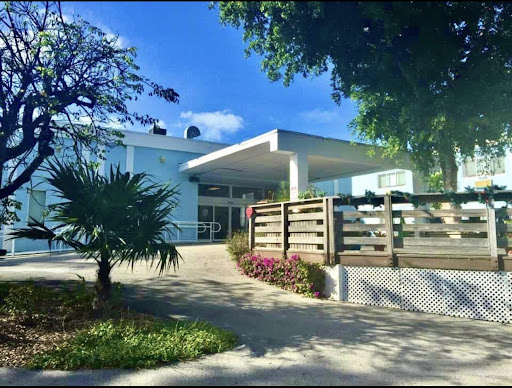
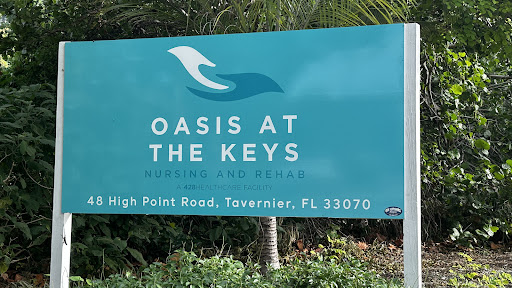
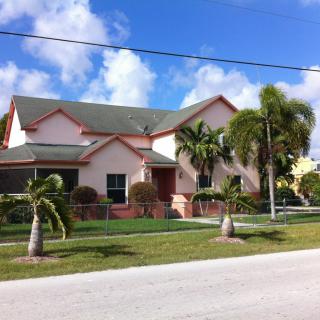
48 High Point Road, Tavernier, FL 33070
For more information about senior living options: (866) 208-4318
Overall Review of Crystal Health And Rehab Center
Pros
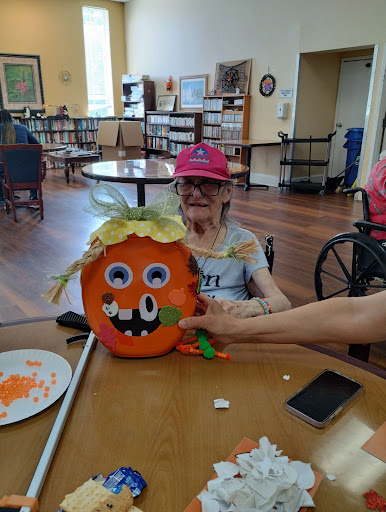
 The staff at Crystal Health and Rehab are caring and excited to work with the residents.
- They truly bring love and happiness to every person who stays there.
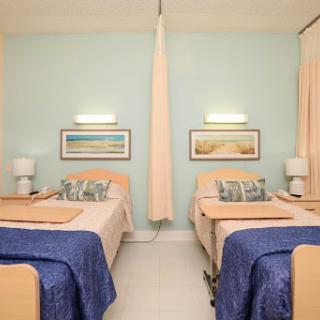
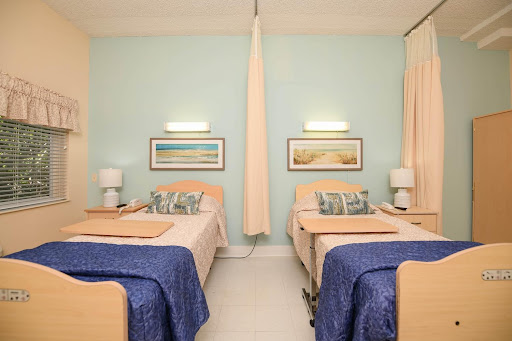
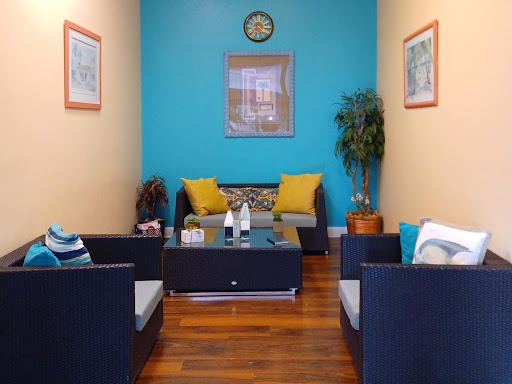
- The facility is clean and the rooms are spacious.
- They met every need of a resident in a timely manner.
- The employees have big hearts.
- The staff is helpful in providing information about what they offer.
- The facility is highly considered as a good option.
- The rooms are nicely sized and clean.
- The grounds are very nice, and the peacock adds a special, fun touch.
- The staff follows up with questions, showing attentive communication.
- The employees are kind, supportive, professional, and go out of their way to meet residents’ needs.
- They call families with updates and keep them advised of what’s going on.
- The staff is commendable for continuing to work through difficult times like the COVID era.
- There is heartfelt appreciation for all that the staff do for residents.
Cons
 The facility is described as awful and disgusting, with heaps of violations noted.
- The staff are reported to have three different outlooks and are not on the same page, indicating poor coordination.
- They transferred him to a COVID unit without informing the family, who had to track him down themselves.
- The facility is dirty, and some residents in wheelchairs are moved to the hall to make space.
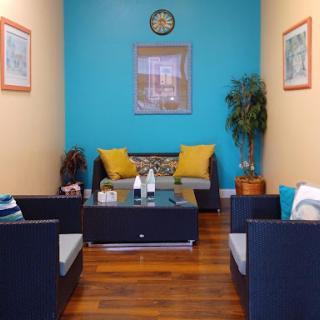
- The reviewer would not recommend the place, citing lack of salt in meals and limited seating.
Review
Crystal Health and Rehab Center in Tavernier is best suited for families seeking a rehab-focused, person-centered environment where staff demonstrate warmth, attentiveness, and frequent communication. The consistently praised staff approach is not cosmetic; it translates into real daily care, with many residents described as being treated with kindness, professional support, and genuine concern. Rooms are reported as clean and spacious, and the grounds, plus a humorous touch like a peacock, contribute to a welcoming ambiance. For families navigating short-term rehab or convalescence, this community often delivers reliable, compassionate service and predictable updates to loved ones, which can make a stressful recovery period more manageable.
That strength, however, comes with clear caveats that deserve close attention. A minority of reviews signal serious concerns about consistency and transparency in care. One family describes a pattern of misalignment among therapists, nurses, and the physician, along with a perception of “awful, dirty” conditions and a lack of clear communication around transfers. Such observations are not incidental in this market and highlight the risk that the same level of cohesive, coordinated care may not always exist across the daily care team. For decision-makers, these experiences suggest a potential for confusion or frustration if a single, unified care plan is not consistently maintained.
The strongest pros, caring staff, proactive family communication, and a clean, comfortable environment, do offset many risks when the goal is a respectful, reassuring rehab stay. Several accounts emphasize prompt responsiveness and regular updates to families, with staff going “out of their way” to meet needs and to keep relatives informed about progress. Cleanliness and room size routinely come up as tangible daily benefits, making it easier for visitors to imagine a resident settling in without feeling cramped or neglected. The overall vibe, including thoughtful touches around the grounds, helps residents feel at ease and can bolster morale during recovery, a nontrivial factor in rehabilitation outcomes.
Nevertheless, the negative experiences cannot be dismissed. When care coordination appears fractured or when family members must chase information, the risk of frustration grows, especially during periods of significant change like transfers or new diagnoses. Reports of limited common spaces and minimal seating, plus a perceived focus on logistics over comfort in some areas (such as meal options and general ambiance), can erode the sense of safety and well-being that otherwise characterizes a strong rehab program. The dining concerns, subtly noted as lacking salt or pepper options and generic meal experiences, also matter for overall satisfaction, particularly for residents with appetite issues or dietary preferences. Taken together, these factors suggest that the environment can feel less supportive for long-term stays or for families seeking a pedestal-level standard of care.
For families weighing Crystal against alternatives, a practical decision framework helps. If the priority is a warm, responsive team that communicates regularly and delivers hands-on assistance with daily needs, Crystal stands out as a strong choice in the Keys. Tour outcomes should focus on the consistency of communication across all caregivers, the transparency of the care plan, and the ability of staff to coordinate efficiently with physicians and therapists. Prospective residents should also evaluate the dining program and the availability of comfortable, congregational spaces, as these elements quietly shape day-to-day satisfaction and social engagement. Finally, consider your tolerance for variability in care coordination; if a seamless, highly uniform care experience is essential, exploring other options may be warranted.
In the end, Crystal Health and Rehab Center offers a compelling blend of genuine care, cleanliness, and a rehab-oriented atmosphere that can accelerate recovery and ease family concerns through regular updates. It is not a one-size-fits-all choice: families who prize cohesive care planning and consistently high operational standards may want to compare other local options to ensure a perfect fit. For those who value the human touch and a positive day-to-day environment, and are prepared to advocate for a tight, centralized care plan, it remains a credible, capable option in Tavernier.
 120 resident community capacity
 Skilled Nursing Facility
 Air-conditioning
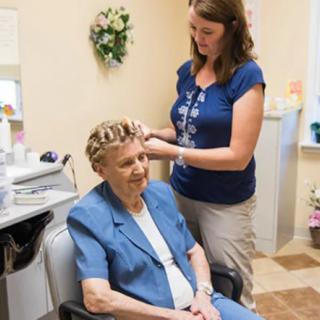
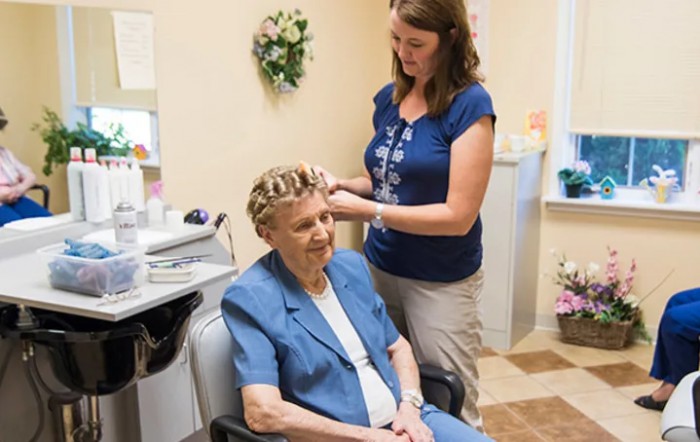
 Beauty salon
 Cable or satellite TV
 Computer center
 Dining room
 Fitness room
 Fully furnished
 Gaming room
 Garden
 Housekeeping services
 Kitchenette
 Move-in coordination
 Outdoor space
 Private bathrooms
 Restaurant-style dining
 Small library
 Telephone
 Wellness center
 Wi-Fi/high-speed internet available
 Community operated transportation
 12-16 hour nursing
 24-hour call system
 Activities of daily living assistance
 Assistance with bathing
 Assistance with dressing
 Assistance with transfers
 Diabetes diet
 Medication management
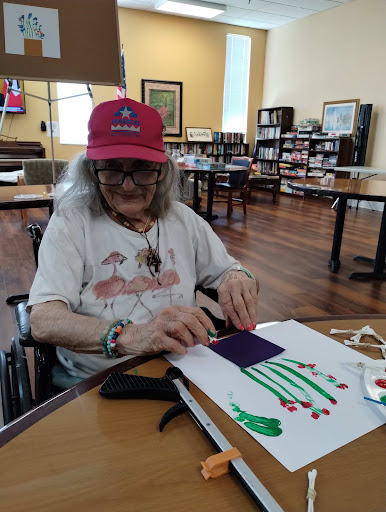
 Mental wellness program
 Special dietary restrictions
 Concierge services
 Planned day trips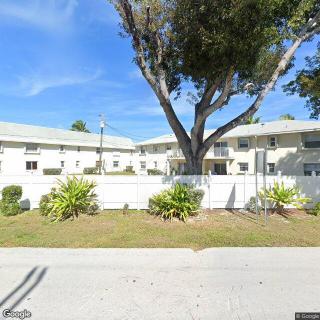



 California's Form 602A: An In-Depth Examination of Senior Care Assessment
 Comprehensive Look at Senior Blood Pressure Charts: Normal and Elevated Levels by Age
 Top Canine Companions for Older Adults