For more information about senior living options: (866) 208-4318
4 from 114 reviews
5 stars
80
4 stars
5
3 stars
1
2 stars
2
1 stars
26
Gandy Crossing Care Center Costs & Pricing
Gandy Crossing Care Center offers competitive pricing for its accommodations compared to the broader market in both Hillsborough County and the state of Florida. For a studio unit, residents can expect to pay $4,390 per month, which is notably higher than the county average of $3,685 and the state average of $3,823. Similarly, the one-bedroom option at Gandy Crossing comes in at $5,490, surpassing both local and state averages of $3,786 and $3,864 respectively. While Gandy Crossing's rates are elevated relative to surrounding options, they may reflect enhanced services or amenities that cater to specific resident needs.
Floor plans
Gandy Crossing Care Center
Hillsborough County
Florida
Studio
$4,390
$3,685
$3,823
1 Bedroom
$5,490
$3,786
$3,864
Skilled Nursing Facilities with a similar price nearby
Physical and occupational therapy are repeatedly described as skilled and helpful during stays.
Many residents and families describe strong rehabilitation support, especially physical therapy and occupational therapy. Reviews mention staff pushing patients through exercises, tracking progress, and helping people regain strength after hospital transfers or injuries. Several also single out therapists as caring and attentive to day-to-day rehabilitation needs.
common15 reviews mention this
Food is a frequent comfort
Dining is often described as nutritious, tasty, and improving the overall experience.
A large share of reviews talk about meals in positive terms, describing good or improving food quality and even specific chef-related praise. Residents with special diets also mention getting softer or restricted options while still finding the food acceptable. A minority of reviews mention food as a downside, but overall dining shows up as a recurring source of satisfaction.
common25 reviews mention this
Staff kindness shows up often
Staff members are frequently described as kind, friendly, and attentive to families and residents.
Across many reviews, families describe nurses, CNAs, therapists, and administration as caring and responsive, with staff treating them like family. Several reviews also describe feeling welcomed, getting updates, and having questions answered. At the same time, other reviews raise serious concerns about responsiveness and respectful care, so results appear to vary by experience and unit.
caveat8 reviews mention this
Cleanliness and hygiene concerns recur
Some reviews report cleanliness and hygiene issues inside rooms and bathrooms.
While many reviews call the facility clean, multiple negative reviews describe dirty rooms, unpleasant bathroom conditions, and hygiene problems involving diapers and supplies. Other complaints include visible mold and bed-bug issues. These reviews also connect the cleanliness problems to concerns about overall care quality and safety.
caveat6 reviews mention this
Call-light and staffing responsiveness varies
Some families describe delays when help is requested and difficulty getting timely assistance.
A few reviews say call buttons were not answered promptly, with long waits for bathroom or bedside assistance. Several of these accounts also mention falls, medication timing concerns, or residents left in soiled conditions. Other reviews, however, describe staff being attentive and on time, suggesting experiences may differ across shifts or staffing levels.
caveat2 reviews mention this
Pricing raises questions for some
Pricing complaints include billing confusion and questions about what coverage pays.
At least one review raises concerns about billing showing a higher charge than what Medicare later indicated, alongside difficulty getting someone to verify the bill. Another review mentions the daily cost as expensive, without stating whether it was typical compared with other facilities. The community does list pricing ranges, but some families report frustration around coverage and final bills.
How we summarize
Counts show how many written reviews mention each theme; a review can touch several themes, and only frequently mentioned themes are displayed.
Features
Housing
160 resident community capacity
Types of Care
Skilled Nursing Facility
Amenities
Air-conditioning
Beauty salon
Cable or satellite TV
Computer center
Dining room
Fitness room
Fully furnished
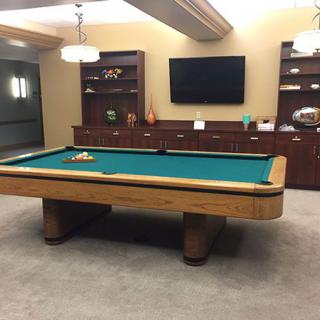
Gaming room
Garden
Housekeeping services
Kitchenette
Move-in coordination
Outdoor space
Private bathrooms
Restaurant-style dining
Small library
Telephone
Wellness center
Wi-Fi/high-speed internet available
Transportation
Tampa International (6 miles away)
St. Petersburg-Clearwater International (10 miles away)
Community operated transportation
Transportation arrangement
Transportation arrangement (non-medical)
Transportation to doctors appointments
Care Services
12-16 hour nursing
24-hour call system
24-hour supervision
Activities of daily living assistance
Assistance with bathing
Assistance with dressing
Assistance with transfers
Diabetes diet
Meal preparation and service
Medication management
Mental wellness program
Special dietary restrictions
Dining
Diabetes diet
Special dietary restrictions
Activities
Community-sponsored activities
Concierge services
Fitness programs
Planned day trips
Resident-run activities
Scheduled daily activities
Nearby Places of Interest
Restaurants
McDonald's (0.1 miles)
Wendy's (0.2 miles)
Ciro's Speakeasy and Supper Club (3 miles)
McDonald's (3.4 miles)
Acropolis Greek Taverna (3.7 miles)
Soho Saloon (3.7 miles)
On Swann (3.9 miles)
Pharmacies
CVS Pharmacy (0.1 miles)
Walgreens (0.6 miles)
Walgreens (1 miles)
CVS Pharmacy (1.5 miles)
Walgreens (1.5 miles)
CVS Pharmacy (2.2 miles)
Walgreens (3.1 miles)
Physicians
Fast Track Urgent Care Center (1.2 miles)
South Tampa Medical Center (3.5 miles)
Shady Grove Fertility (3.9 miles)
Women's Care Florida (4.2 miles)
Moffitt Cancer Center at International Plaza (5 miles)
Gandy Crossing Care Center offers competitive pricing for its accommodations compared to the broader market in both Hillsborough County and the state of Florida. For a studio unit, residents can expect to pay $4,390 per month, which is notably higher than the county average of $3,685 and the state average of $3,823. Similarly, the one-bedroom option at Gandy Crossing comes in at $5,490, surpassing both local and state averages of $3,786 and $3,864 respectively. While Gandy Crossing's rates are elevated relative to surrounding options, they may reflect enhanced services or amenities that cater to specific resident needs.
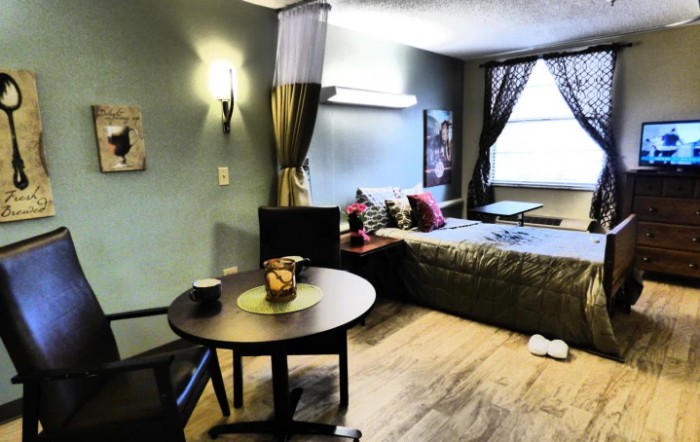
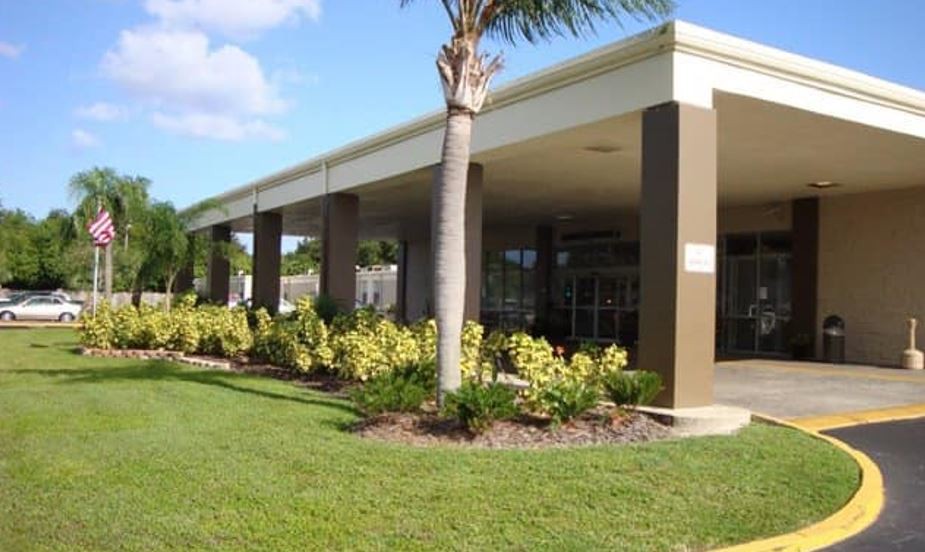
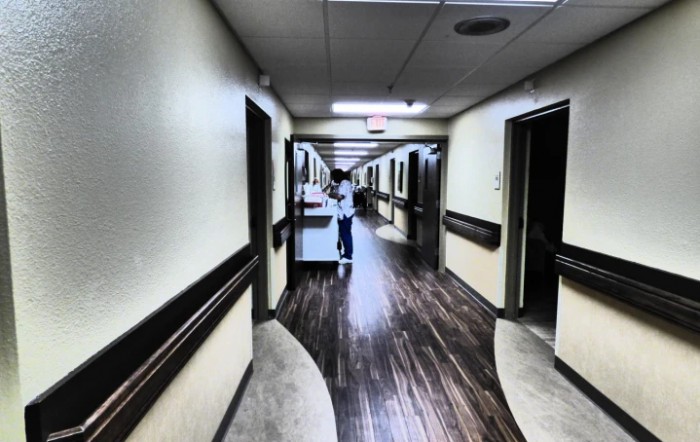
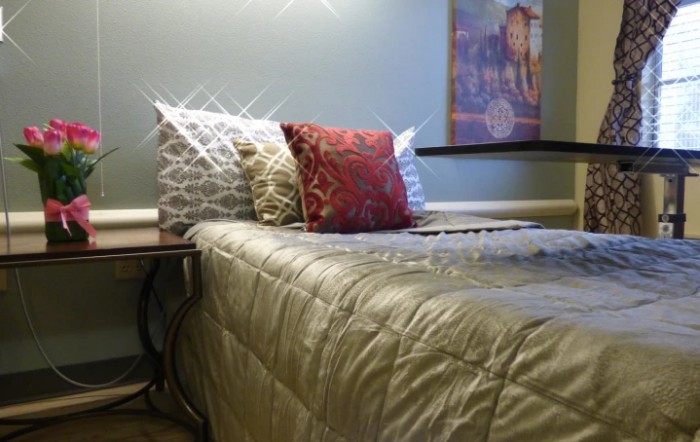
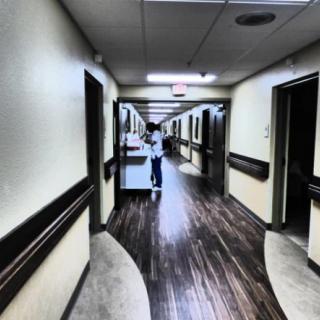
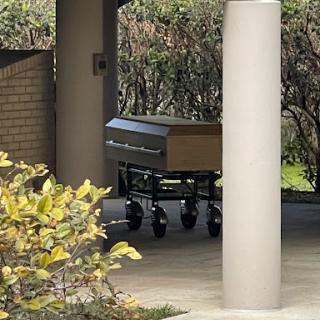
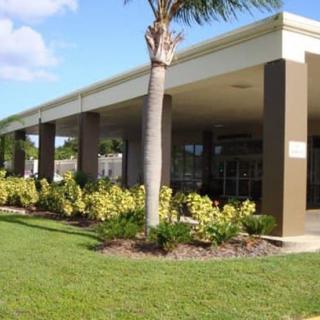
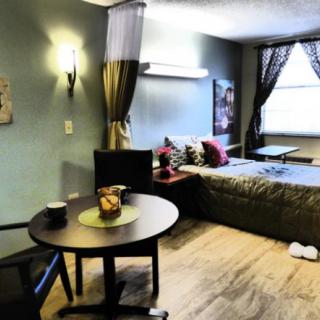
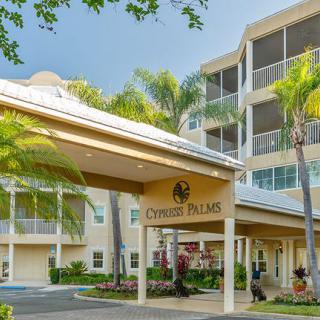
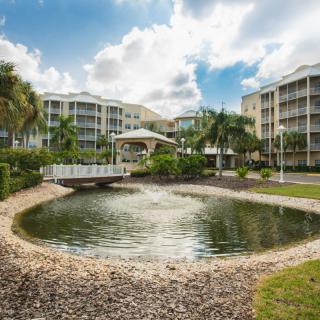
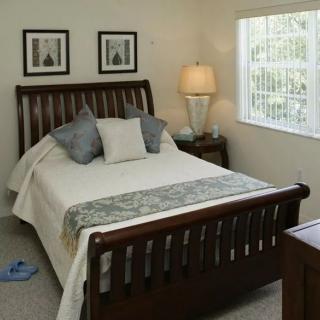
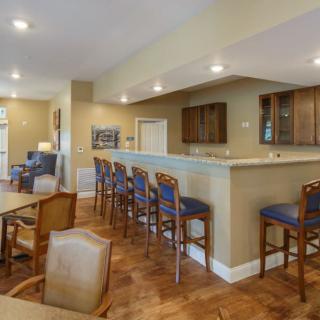
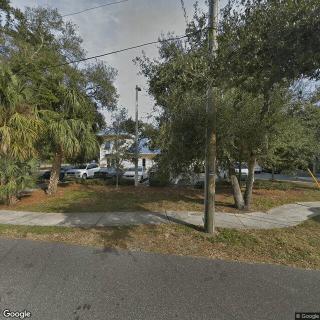
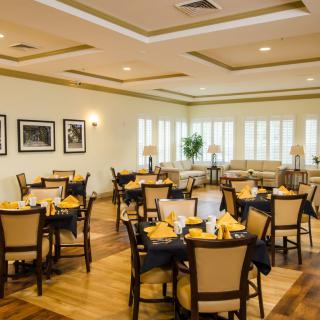
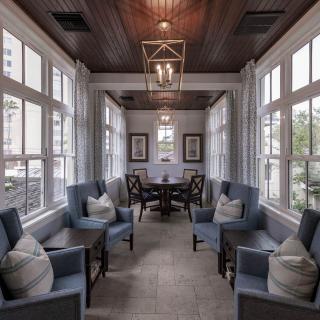
Gandy Crossing Care Center on seniors.fyi includes 6 photos including images showing interior, bedroom, healthcare, wheelchair, quilt, decor, studio apartment, living space, and more.
Nearby Communities
Consuelo's Assisted Living Facility
Tampa, FL
4.8 from 39 reviews
$2,500 to $4,500 / month
Compassionate, personalized care with nurse-owner oversight and proactive family updates.
Consuelos Alf
Tampa, FL
5 from 2 reviews
Caring staff and active owner involvement create a personalized, safe, and welcoming environment.
Presbyterian Villas of Tampa
Tampa, FL
4.9 from 11 reviews
Excellent access to nearby amenities and healthcare (cafes, parks, pharmacies, physicians, and transport).
Homes of Regency Cove Inc
Tampa, FL
4.6 from 106 reviews
Peaceful setting with convenient nearby amenities (cafes, restaurants, parks, pharmacies, physicians) and three transportation options.
Consuelo's ALF II
Tampa, FL
Specialized diabetic care in a small, social ALF with indoor common areas.
Bayshore Pointe Nursing and Rehab Center
Tampa, FL
3.4 from 81 reviews
Clean rooms, attentive staff, and notably strong physical therapy.
Bayshore Bungalows
Tampa, FL
4.8 from 119 reviews
Convenient, amenity-rich location.
Angels Senior Living at South Tampa
Tampa, FL
4.5 from 94 reviews
$2,250 to $59,994 / month
Caring staff and a warm, welcoming community.
The Estate At Hyde Park
Tampa, FL
4.4 from 74 reviews
$6,985 to $9,460 / month
Convenient South Tampa location with engaging activities and friendly, dedicated staff.
Nursing home care costs in the U.S. vary significantly based on location, level of care, and amenities, with private room prices ranging from approximately $6,700 to over $30,000 monthly. Families need to explore various payment options and conduct thorough research to manage these expenses effectively.
Nonmedical home care provides assistance with daily activities and companionship for individuals wishing to maintain independence and quality of life at home, without medical intervention. Its growing popularity is driven by an aging population, the need for supportive environments for recovery, and the emotional benefits of caregiver companionship, while costs vary based on service frequency and location.
Maintaining cognitive fitness through engaging in various brain games, both traditional and digital, is crucial for seniors as it enhances memory retention, problem-solving abilities, and emotional well-being while helping to protect against age-related decline. A holistic approach that includes diverse activities, physical exercise, a balanced diet, and social interaction further supports mental health and cognitive function.
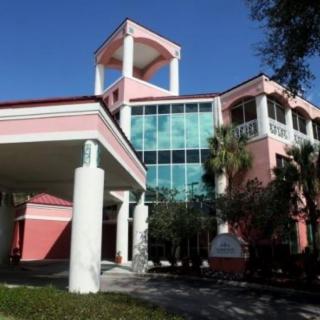
Landscaping, Building, Architecture, Palm Trees, and Grass
Windows, Studio Apartment, and Living Space
Outdoors and Nature
Healthcare, Hallway, and Wheelchair
Reading
Get PricingAsk A QuestionSchedule A TourContact Senior Advisor
By clicking submit, you agree to our Partner's Terms of Use. You
also consent to receive calls and texts, which may be autodialed, from our Partner. Your consent is not a condition to
using our Partner's service. Please visit our Partner's Privacy Policy for information about their privacy practices.



 160 resident community capacity
 Skilled Nursing Facility
 Air-conditioning
 Beauty salon
 Cable or satellite TV
 Computer center
 Dining room
 Fitness room
 Fully furnished
 Gaming room
 Garden
 Housekeeping services
 Kitchenette
 Move-in coordination
 Outdoor space
 Private bathrooms
 Restaurant-style dining
 Small library
 Telephone
 Wellness center
 Wi-Fi/high-speed internet available
 Tampa International (6 miles away)
 Community operated transportation
 12-16 hour nursing
 24-hour call system
 Activities of daily living assistance
 Assistance with bathing
 Assistance with dressing
 Assistance with transfers
 Diabetes diet
 Medication management
 Mental wellness program
 Special dietary restrictions
 Concierge services
 Planned day trips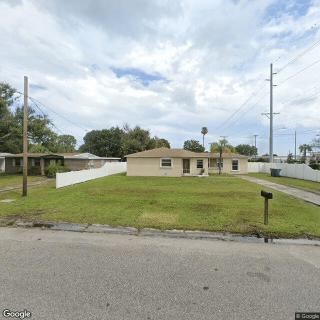
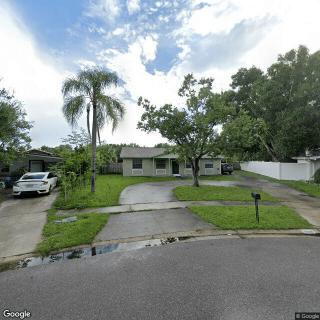
 Compassionate, personalized care with nurse-owner oversight and proactive family updates.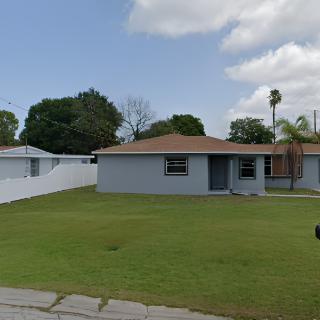

 A Detailed Examination of Nursing Home Costs Across the U.S.
 Exploring Nonmedical Home Care: Understanding Services, Costs, and Financial Approaches
 Engaging Brain Games and Innovative Apps to Keep Senior Minds Active